

Table of Contents
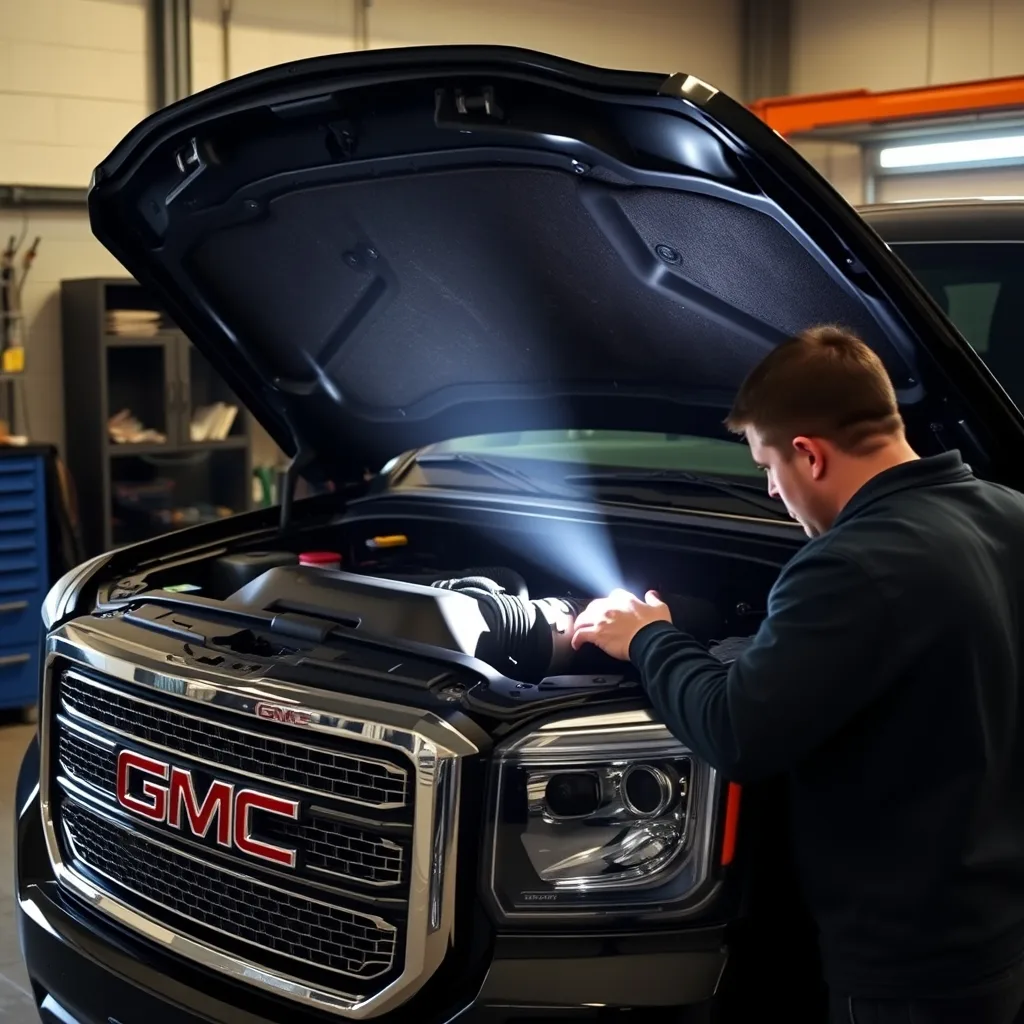
Common GMC 3.6 engine problems include timing chain wear, oil consumption, and coolant leaks, even though the V6 is smooth and powerful. Timing chain wear, oil consumption, and coolant leaks are the issues owners ask about most. This guide explains the symptoms, the causes, and the repair choices for common GMC 3.6 engine problems.
Engine Overview
The 3.6-liter V6 has been used in many GMC models, including the Acadia and the Canyon. It uses direct injection and a chain-driven valvetrain in most versions.
Direct injection improves power and efficiency but can allow carbon to build on the intake valves. The timing chains and the variable valve timing system depend on clean oil.
Not every 3.6 has the same faults. Model year, engine code, and maintenance history matter when you evaluate GMC 3.6 engine problems.
Timing Chain Wear
A stretched timing chain can set a check-engine light and cause a rough idle or a misfire. Some engines rattle briefly on a cold start before the tensioner builds pressure.
The root cause is often a long oil-change interval or the wrong oil. Sludge and wear affect the chain, the guides, and the tensioner.
Ignoring the noise can lead to a jumped chain and bent valves. A timing chain job is expensive, so diagnose the rattle early.
Oil Consumption
Some 3.6 engines use more oil than expected because of piston ring design or a faulty PCV system. The driver may notice low oil before the next change.
Check the oil level every few fill-ups, especially on a high-mileage GMC. A consumption test can show whether the engine is within the manufacturer limit.
A stuck PCV valve or a leaking valve cover gasket can also contribute. Fix the simple causes before assuming the rings are worn.
A timing chain rattle on a cold start is easy to miss in a noisy garage. Record the sound with your phone and compare it with a warm start. If the noise is consistent, have the GMC 3.6 engine problems diagnosed before the chain jumps, because a jumped chain can bend valves.
Coolant Leaks
The water pump, thermostat housing, and coolant hoses are common leak points on the 3.6. A sweet smell or a low coolant level is an early warning.
A pressure test can find a leak that does not show on the ground. Do not ignore a slow loss, because overheating can warp the heads.
Use the specified coolant and avoid mixing types. The wrong coolant can damage seals and accelerate corrosion inside the engine.
PCV and Intake Issues
A failed PCV valve can cause a rough idle, oil consumption, and a check-engine light. On a direct-injection engine, crankcase vapors can also coat the intake valves.
Carbon buildup may cause a misfire or a loss of power at higher mileage. A professional intake cleaning can help if the valves are coked.
Check the intake tube and vacuum lines for cracks. A small leak can mimic a sensor fault and make GMC 3.6 engine problems harder to diagnose.
Misfires and Coils
A misfire can come from a spark plug, a coil, or a fuel injector. The 3.6 uses individual coils, and a failed coil often sets a cylinder-specific code.
Swap the coil to another cylinder to see whether the misfire moves. That simple test can confirm the coil before you buy a new one.
Use the correct spark plugs and gap. The wrong plug can cause a misfire and damage the coil over time.
A misfire counter can show which cylinder is failing even when the check-engine light is off. Drive with a scan tool and watch the counters under load. That data helps separate a coil from an injector or a compression fault, which is a common source of GMC 3.6 engine problems.
Diagnostic Steps
Start with a scan tool that reads stored, pending, and history codes. Record the freeze-frame data and the misfire counters.
Check the oil level and condition, then perform a compression or leak-down test if the engine runs poorly. A cooling-system pressure test can confirm a leak.
A qualified mechanic can compare the live data with the service information and avoid replacing good parts.
A compression test on a warm engine can confirm whether a misfire is mechanical. Compare the cylinders and look for a low or uneven reading. If two adjacent cylinders are low, a head gasket or valve problem is possible.
Repair Costs
A timing chain service can cost $1,500 to $3,000 or more, depending on the model and the labor rate. A water pump or thermostat is usually less.
Oil consumption repairs can range from a PCV valve to a piston ring job. Get a written estimate and ask what happens if the problem returns.
The most expensive repairs guide explains how to weigh a major engine job against the value of the vehicle.
Prevention
Change the oil on a shorter interval than the maximum, especially if you tow or drive in cold weather. Use the specified oil and a quality filter.
Fix coolant leaks and PCV faults early. Check the oil level regularly and keep the service records.
For model-specific information, see the GMC owner site. Good maintenance is the best defense against GMC 3.6 engine problems.
Ask the shop to check the oil pressure and the chain tensioner if the engine has high mileage. A used oil analysis can show coolant or fuel contamination, two causes behind some GMC 3.6 engine problems. Catching GMC 3.6 engine problems early is much cheaper than a rebuild.
Keep the oil change receipts and note any top-offs. A pattern of oil use helps a shop decide whether the engine needs a consumption test. The records also support a warranty claim if the vehicle is covered.
Bottom Line on GMC 3.6 Engine Problems
GMC 3.6 engine problems are often maintenance-related, but some designs are harder on oil and chains than others. Early diagnosis protects the engine from a much larger bill.
Check the oil, fix leaks, and address a cold-start rattle promptly. A well-maintained 3.6 can still deliver good service.
Quick Checklist
- Check the oil level every few fill-ups.
- Listen for a cold-start rattle.
- Pressure-test the cooling system.
- Keep service records.
Are GMC 3.6 engine problems common?
Timing chain wear, oil consumption, and coolant leaks are the most reported issues. Not every engine fails, and maintenance history makes a big difference.
How much does a GMC 3.6 timing chain cost?
The job often costs $1,500 to $3,000 or more because it requires extensive disassembly. Get a written estimate and ask about related parts.
Can I prevent GMC 3.6 engine problems?
Use the correct oil, change it on a shorter interval, fix coolant leaks early, and check the oil level regularly. Those steps reduce the risk.