

Table of Contents
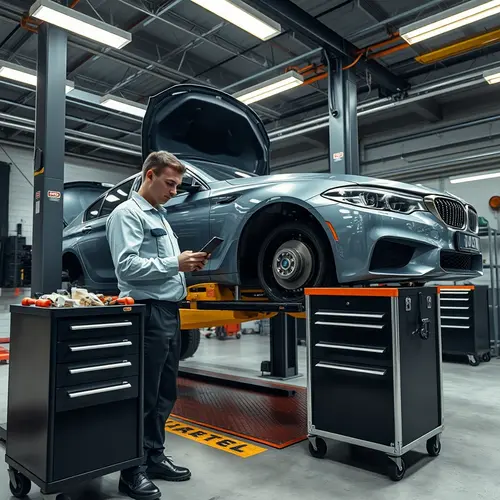
A high-output alternator can solve charging problems when a car carries extra electrical load. It is not a universal upgrade, though, and the wrong unit can drain a battery or overload wiring. This guide explains what the alternator does, how to size one, and what to check before buying.
Why Upgrade the Charging System?
Extra lights, a winch, a large audio system, or a dual-battery setup can exceed the stock charging system at idle. The result is dim lights, slow cranking, and a battery that never fully recovers. A high-output alternator is one way to restore headroom.
Do not assume every voltage drop means the alternator is too small. A loose belt, corroded cable, or failing battery can imitate the same symptoms. Diagnose the charging system before spending money on more output.
How a High-Output Alternator Works
An alternator turns belt-driven rotation into alternating current, then rectifies it to DC for the battery and electrical system. The regulator controls voltage, while the alternator’s maximum current depends on its design and speed.
A high-output alternator is built to deliver more current at low engine speed. That matters in traffic, when a winch or stereo is working and the engine is idling. Case size, cooling, and pulley ratio all affect real-world output.
Matching Output to Electrical Load
Add up the continuous loads you expect to run, then leave a margin for charging the battery. A unit that is barely large enough will run at its limit and heat up. Too much capacity is usually less harmful than too little, but it still needs correct wiring.
Use the manufacturer’s idle-output rating rather than the peak number on the box. A unit rated at 250 amps only when revved may be weaker than a 180-amp unit at idle. Ask for a test sheet if you plan a heavy accessory load.
Wiring, Battery and Belt Considerations
The charge cable, fuse, and grounds must match the alternator’s output. Reusing a thin factory cable can create heat, voltage drop, and a fire risk. Many upgrades require a larger cable from the alternator to the battery and an upgraded engine ground.
Battery type also matters. A high-output alternator works best with a battery that can accept charge quickly and has enough reserve. Check belt wrap and pulley alignment, because extra electrical load often comes with extra mechanical load.
Installation and Testing
Disconnect the battery before removal, then label the cables and note the belt routing. Torque the mounting bolts and terminal nuts to specification, and never rely on a hand-tight connection. After installation, start the engine and check voltage at idle and at 2,000 rpm.
A clamp meter can show whether the alternator is actually delivering current. A ripple test can reveal a failing diode. If voltage is low or the battery light stays on, stop and diagnose before driving.
Cost and Warranty
A quality high-output alternator often costs $250 to $700, with labor adding another $100 to $300 depending on access. Remanufactured units can be cheaper, but the quality of the rebuild matters more than the label.
Ask about the warranty period and whether it covers labor. A low price with a 30-day warranty is a poor deal on a part that is difficult to replace. Keep the receipt and the test sheet with your service records.
When a High-Output Alternator Is Worth It
The upgrade makes sense when accessories regularly exceed the stock system, or when a winch, fridge, or dual battery is part of the build. It also helps vehicles that spend long periods idling with electrical loads switched on.
It is rarely worth it on a stock car with a healthy charging system. A high-output alternator cannot fix a bad battery, a parasitic drain, or a wiring fault. Fix the underlying problem first, then decide whether more capacity is needed.
Common Mistakes to Avoid
The most common mistake is adding output without upgrading the charge cable, fuse, and grounds. Another is using a pulley that is too small, which can over-speed the alternator and shorten its life.
Do not overlook the belt and tensioner. A worn belt can slip under load and make a good alternator look weak. Also check that the new case clears the hood, hoses, and accessories through the full range of engine movement.
Maintenance After the Upgrade
Inspect the belt and connections at every oil change. Look for glazing, fraying, and corrosion, and confirm that the battery terminals are clean and tight. A quick voltage check can catch a problem before it strands the car.
Keep the alternator cooling path clear of mud and debris. If you use the vehicle off-road, clean the case carefully and avoid directing high-pressure water into the vents. Record the installation date and part number for future troubleshooting.
Questions to Ask Before You Buy
Ask for idle output, maximum output, and the test method used. Confirm that the unit fits your engine, accessory drive, and wiring, and ask whether a larger charge cable or fuse is required.
A good seller will explain clocking, pulley options, and warranty support. If the answers are vague, choose another supplier. The cheapest unit is not a bargain if it fails on a road trip. A high-output alternator is not automatically better; choose the high-output alternator that matches your measured load.
How to Diagnose a Weak Charging System
Start with the battery, because a weak battery can mimic a failing alternator. Check the state of charge, the terminal condition, and the belt tension. If the belt slips or the terminals are corroded, fix those first before pricing a high-output alternator.
Measure voltage at the battery at idle and at 2,000 rpm. A healthy system should stay within the range listed in the service information. A voltage drop test on the charge cable and grounds can reveal resistance that a voltage reading alone will miss.
If the charging system passes but accessories still drain the battery, revisit the load calculation. A high-output alternator may be the right answer, but only after the diagnosis is complete. Our alternator maintenance guide explains the checks in more detail.
Record the baseline voltage and load so you can compare after the upgrade. For a broader maintenance plan, see our ultimate car maintenance guide. The U.S. Department of Energy also has general advice on vehicle electrical and maintenance checks.
Do I need a high-output alternator for a second battery?
Often yes, but it depends on the battery size, charging profile, and how long the load runs. Size the alternator for the continuous load plus a healthy charging margin.
Can a high-output alternator damage my car?
It can if the wiring, fuse, or battery is not up to the current. Use the correct cable size, protection, and installation procedure.
Will a high-output alternator improve fuel economy?
No. It adds mechanical load to the engine. Any small fuel penalty is usually outweighed by reliable charging for accessories.