

Table of Contents
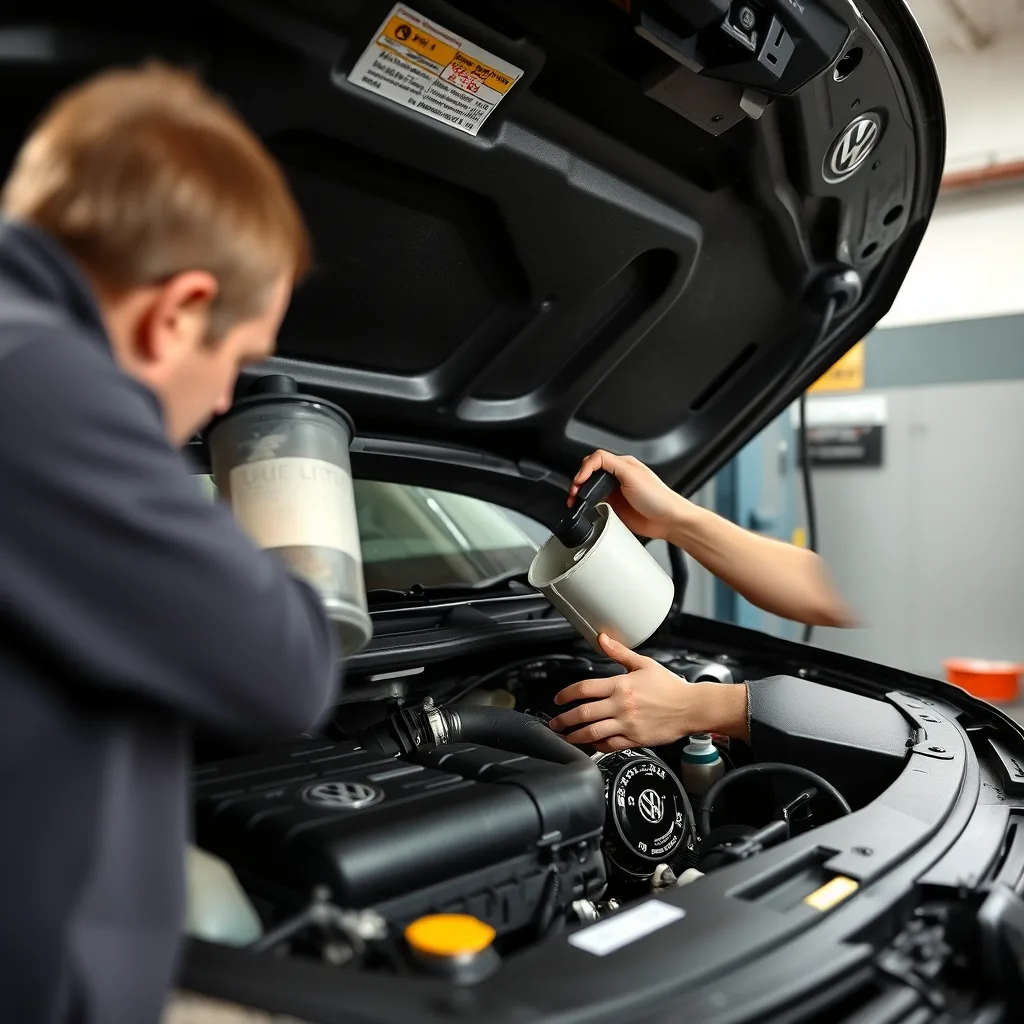
The VW Jetta TDI fuel filter protects the high-pressure fuel system from dirt and water. A clogged filter can cause hard starting, low power, or a no-start condition. This guide covers the symptoms, the tools, and the priming steps that prevent air from stalling the engine.
Why the VW Jetta TDI Fuel Filter Matters
Diesel fuel systems run at very high pressure, and the injectors have tight clearances. The VW Jetta TDI fuel filter traps particles and separates water before they reach the pump.
Skipping the filter interval can shorten the life of the high-pressure pump and injectors. Those parts cost far more than a routine filter change.
The filter also protects the water separator. On some models it is a combined unit, so the interval covers both jobs.
Symptoms of a Clogged Filter
A restricted filter can cause a loss of power under load, hard cold starts, or a engine that stalls after a fuel stop. A water-contaminated filter may trigger a warning light.
A clogged VW Jetta TDI fuel filter does not always set a code. Note when the symptom appears, because a filter restriction often worsens at high demand.
A hard start after a fuel stop can be a sign of air entering the housing. Check the seals and the cap.
A dirty filter can also cause a low-power complaint that feels like a turbo problem. When fuel flow drops, the engine may derate and store a rail-pressure code. Check the filter history before you condemn a pump or a turbo. On a VW Jetta TDI fuel filter service, the date and mileage on the housing are useful clues.
Tools and Parts
You need the correct filter, new seals, a screwdriver or socket set, a drain pan, and clean rags. A priming tool or a scan tool that runs the fuel pump is helpful on some models.
Buy a filter that meets the VW specification. A cheap filter with the wrong micron rating can allow debris through or restrict flow.
A filter wrench may be needed for the canister. Have the correct socket and a torque wrench ready.
Relieving Pressure and Access
Let the engine cool, then relieve fuel pressure according to the service procedure. Remove the engine cover and identify the filter housing, which is often a canister on the firewall or near the engine.
Work in a ventilated area away from sparks. Diesel is less flammable than gasoline, but it still burns and can irritate skin.
Mark the fuel lines before removal if the housing has more than one connection. This avoids a swapped return line.
Air in the housing after a VW Jetta TDI fuel filter change is normal for a moment, but a long crank is not. If the engine stalls, stop and check the seals and the priming procedure. Repeated air ingress can damage the high-pressure pump, so do not drive through the symptom. A hard start is a warning, not a quirk.
Removing the Old Filter
Clean the area around the housing before opening it. Remove the cap or lines carefully, catch the fuel, and note the orientation of the old filter and seals.
Check the housing for metal debris or water. Debris can indicate a failing pump, which should be diagnosed before the new VW Jetta TDI fuel filter is installed.
Do not reuse old seals. A hardened O-ring can leak air and cause a hard start.
Installing and Priming
Fit the new filter and seals, then close the housing to the specified torque. Cycle the ignition or run the fuel pump to fill the filter before cranking.
If the engine does not start, do not crank for long periods. Air in the system can damage the high-pressure pump, so follow the prime procedure.
Cycle the ignition two or three times and listen for the pump. If the system has a manual primer, use it.
A shop visit makes sense if the housing is cracked, the lines are seized, or the car will not prime. Diagnosing a no-start after a VW Jetta TDI fuel filter change is cheaper than replacing a high-pressure pump. Bring the old filter and note what happened; that information saves diagnostic time. A written description of the symptom helps more than a guess.
Water Drain and Maintenance
Some VW Jetta TDI fuel filter housings have a water drain. Open it periodically to remove water, then close it and check for leaks.
Follow the owner’s manual for the filter interval, and shorten it if you use fuel of uncertain quality. Keep a record of the date and mileage.
Drain the water into a clear container so you can see contamination. Metal or rust is a reason to investigate further.
Common Mistakes
The most common mistakes are a missing seal, a pinched O-ring, and skipping the prime. Another is using the wrong filter for the engine code.
A small air leak can cause a hard start and a rough idle. Recheck the housing and lines if the problem persists after the change.
A filter that is installed backwards can restrict flow. Check the arrow or the orientation of the old part.
Use a torque wrench on the housing and do not overtighten the cap. A cracked housing from excess force is a leak you cannot fix at the roadside. Prime the system and check for leaks before you start the engine. A careful VW Jetta TDI fuel filter job takes an extra ten minutes and avoids a comeback.
When to See a Shop
See a shop if you find metal in the housing, if the engine will not start after priming, or if the high-pressure pump is noisy. Those signs point to a deeper fuel-system fault.
A diesel DPF guide and a service schedule help you plan related maintenance. The Volkswagen owner site has model-specific information.
Keep the receipt and note the mileage. The VW Jetta TDI fuel filter is a maintenance item, not a repair.
Bottom Line on VW Jetta TDI Fuel Filter Service
A VW Jetta TDI fuel filter is a small part with a big job. Change it on time, use the right specification, and prime the system before starting the engine.
If the car runs poorly after the change, check for air leaks and recheck the seals. A careful installation protects the high-pressure fuel system and keeps the diesel running smoothly.
Quick Checklist
- Use the correct filter and seals.
- Clean the housing before opening it.
- Prime the system before cranking.
- Check for leaks after the first start.
How often should I change the VW Jetta TDI fuel filter?
Follow the owner’s manual, often every 20,000 to 40,000 miles. Shorten the interval if fuel quality is poor or the filter shows water contamination.
Do I need a scan tool to prime the fuel system?
Some models can be primed by cycling the ignition, while others need a scan tool to run the pump. Check the service procedure for your engine code.
Can a clogged filter damage the injectors?
Yes. A restricted filter can starve the pump and allow debris or water through, which can damage the high-pressure pump and injectors.