
Table of Contents
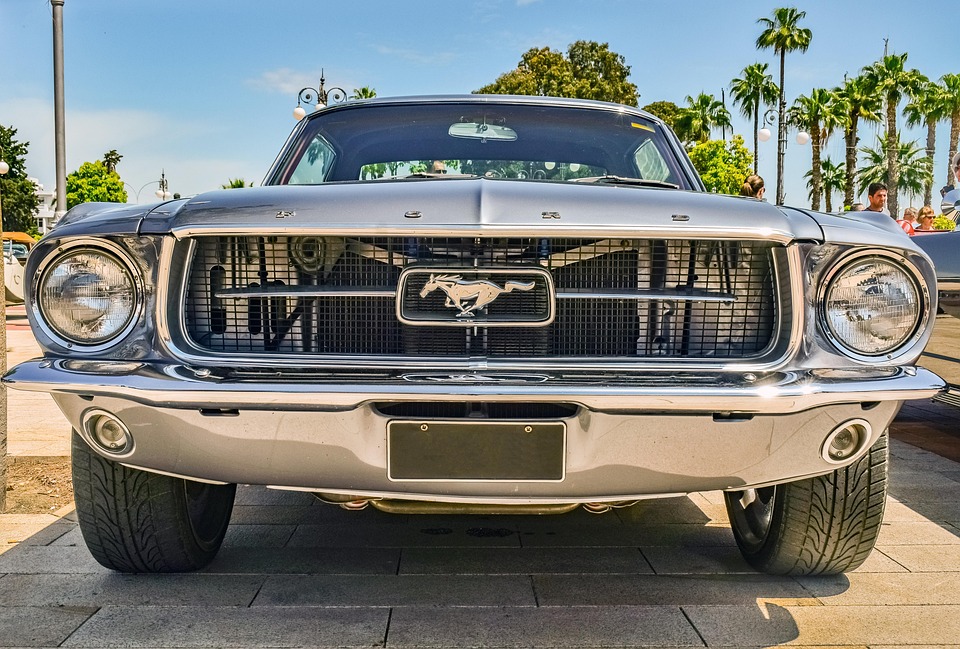
A rim and tire upgrade can improve looks, grip, and even comfort, but the wrong combination can rub, weaken handling, or void a warranty. Fitment is not just about bolt pattern. Offset, width, load rating, and overall diameter all matter, and the best setup keeps the original engineering balance.
Rim and Tire Fitment Basics
Start with the bolt pattern, center bore, and wheel width. Offset determines how far the wheel sits toward the fender or suspension. A lower offset pushes the rim outward, which may look aggressive but can cause rubbing and extra bearing load.
Tire size must match the rim width and keep the overall diameter close to stock. A taller combination can affect speedometer accuracy, gearing, and clearance. Use the door jamb placard as the baseline, then compare any proposed rim and tire package against those figures.
Choosing the Right Size
For daily driving, a moderate width and a quality all-season tire usually outperform a wide, low-profile setup. Larger rims look sharp but leave less sidewall to absorb potholes. That can increase wheel damage and make the ride harsher on rough roads.
Check the load index and speed rating against the vehicle’s gross axle weight. A tire that is strong enough for a compact car may be unsafe on a loaded SUV. The NHTSA tire safety information explains load, inflation, and tread requirements.
Rim and Tire Safety Checks
After installation, check clearance at full lock and under compression. Look for contact with the fender liner, brake caliper, and suspension arms. Recheck lug torque after the first 50 to 100 miles, then at the interval recommended by the wheel maker.
Inspect the sidewall for cuts, bulges, and uneven wear. A rim with a crack or a bent lip should be repaired or replaced before it is used at highway speed. Our guide to flat tire repair explains when a puncture is safe to patch.
How Upgrades Affect Ride and Fuel Use
Heavier rims and wider tires increase unsprung mass and rolling resistance. That can reduce acceleration and fuel economy, especially in stop-and-go driving. A lighter wheel with a sensible tire often gives a better result than the largest diameter that fits.
Lower-profile tires improve steering response but transmit more road noise and impact. If comfort matters, keep enough sidewall and choose a tire with a quiet tread pattern. Maintain the recommended inflation pressure; underinflation hurts both fuel use and tire life.
Caring for the Setup
Clean brake dust off the rims regularly, using a pH-neutral cleaner and a soft brush. Avoid acidic wheel cleaners on painted or polished finishes. A coat of sealant makes future cleaning easier and reduces staining.
Rotate tires at the interval in the owner manual and check alignment after any hard impact. Keep a log of rotation and inflation dates. For related details, see our guide to getting the most life out of your tires and this explanation of tire load ratings.
Costs and Common Mistakes
Budget for mounting, balancing, new lug nuts, and a alignment when changing wheel size. Cheap replica rims may look right but fail load testing. Buy from a seller that publishes specifications and stands behind the product.
Keep the original rims and tires if you may sell the car or use it in winter. A second set often costs less than repairing damaged bodywork from a bad fitment. When in doubt, choose the milder rim and tire package that keeps clearance and ride quality intact.
Winter and Summer Care
Road salt attacks painted and polished rims, so wash the wheel wells and inner barrels after winter storms. Summer heat raises tire pressure, so check inflation when the tires are cold rather than after a long drive. A dedicated winter rim and tire set protects the summer finish and improves cold-weather grip.
Store the spare set clean and dry, away from sunlight and ozone sources. Stack tires upright or hang them by the wheel, not by the tread. Label each position so the next rotation follows the same pattern.
When to Replace Instead of Repair
A bent steel rim can often be straightened, but a cracked alloy wheel should be replaced. Sidewall damage, exposed cords, or a bulge cannot be repaired safely. A tire with a puncture near the shoulder is also a poor candidate for a plug.
Replace the rim and tire as a matched pair when tread depth differs significantly across an axle. Mixing sizes or tread patterns can upset stability control. For more detail, read our guide to buying new car tires.
Mounting and Balancing
Mounting a low-profile tire requires the right equipment and care at the bead. A careless install can scratch a new rim or damage the tire bead. Road-force balancing is worth the extra cost because it identifies a wheel or tire that is out of round.
Ask for the balance printout and the final torque value. Recheck lug torque after the first 50 to 100 miles. If the steering wheel shakes at highway speed, return for a rebalance before assuming the rim and tire are defective.
Test Drive After the Upgrade
Drive at low speed with the windows down and listen for rubbing. Then take a safe highway loop and check for vibration, pull, and unusual noise. Test full lock in a parking lot and look for contact marks in the wheel wells.
Recheck tire pressure the next morning when the tires are cold. A rim and tire package that feels good in the shop can reveal a clearance problem under load. Adjust before a long trip. Choose a rim and tire setup that you can live with every day, not just on the day of the upgrade.
A rim and tire upgrade should improve the car without creating new problems. Keep the original specification sheet and the alignment printout with the receipts. If you sell the car, the next owner will appreciate the documentation.
Check the setup again after the first long trip. Small changes in pressure, torque, or alignment are easier to correct early than after a tire is ruined.
Do bigger rims improve performance?
Not automatically. Larger, heavier rims can hurt acceleration and ride. A lighter wheel with the correct tire often performs better.
What does rim and tire offset mean?
Offset is the distance from the wheel mounting face to the centerline. It affects clearance, steering feel, and how far the wheel sits from the fender.
Can I change rim size without affecting the speedometer?
Yes if the overall tire diameter stays close to stock. A large change can make the speedometer and odometer inaccurate.

Punta Dewa is a senior automotive writer at Daily Car Care specializing in OEM repair procedures and cost-transparent maintenance. 6+ years, 150+ guides. Method: OEM manuals, TSB/recall database, and owner data. Author of 1,573 car-care guides since 2022.