
Table of Contents
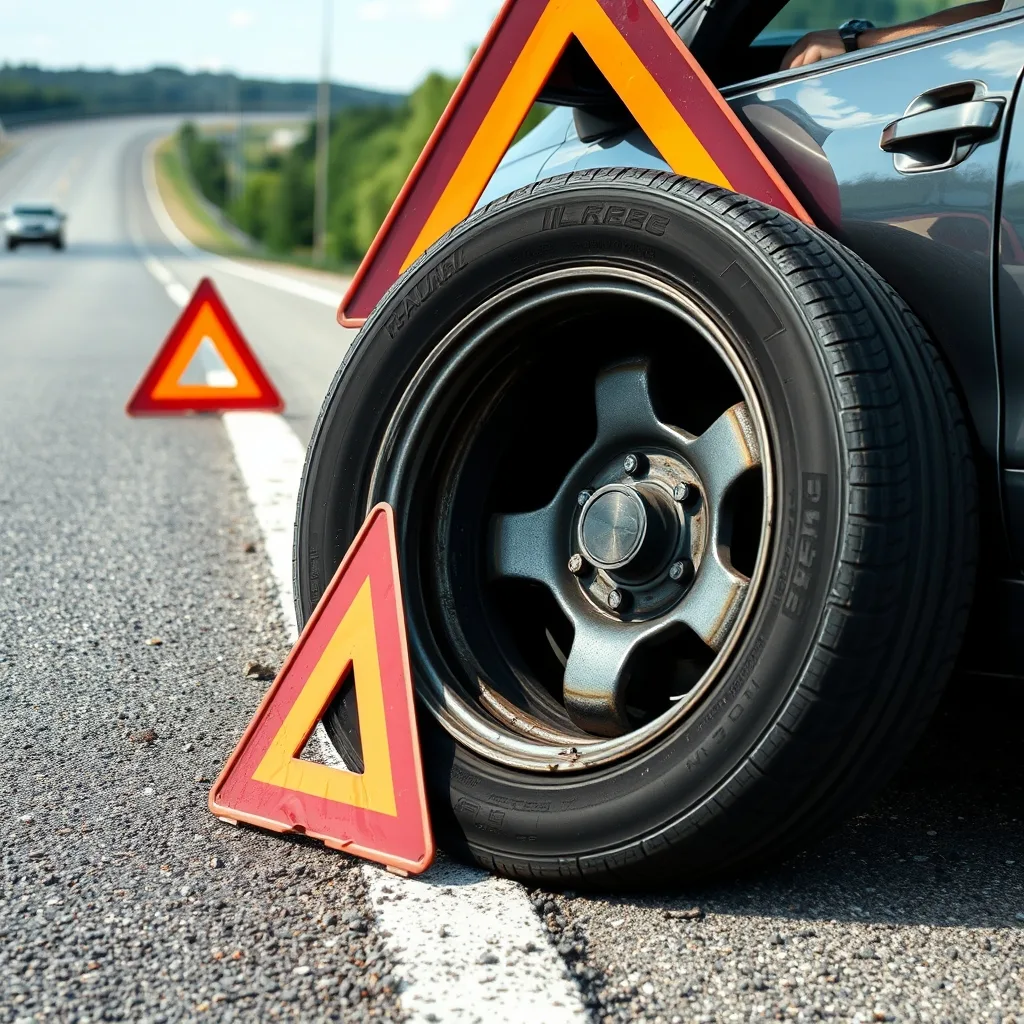
A tire blowout is a sudden loss of pressure that can pull the car toward the failed tire. The right response is to stay calm, keep the car straight, and slow down gradually. This guide explains the warning signs and the steps that protect you and other drivers.
What Causes a Blowout
A blowout can come from a puncture, a sidewall impact, overheating, or a tire that was run low on pressure. Age and UV exposure also weaken rubber.
Overloading and high speed increase heat, which is a common trigger. A tire that is visibly bulged or cracked should be replaced before it fails.
Heat is a major factor. A tire that is low on pressure flexes more and can overheat at highway speed.
Warning Signs
A bulge, a cut, or exposed cords are urgent warnings. So is a vibration that appears suddenly, or a tire that keeps losing pressure.
Do not ignore a sidewall bulge. It means the internal structure is damaged, and a tire blowout can happen without further warning.
A vibration or a pulling sensation can precede a failure. Stop and inspect the tire before continuing.
A tire blowout is not always caused by a nail, because a sidewall impact from a pothole or a curb can damage the internal cords and fail later, sometimes days after the hit. Watch for a bulge, a bruise, or a scuff mark on the sidewall, and replace the tire if you see one. A tire blowout that happens at low speed is inconvenient, while the same failure at highway speed can be dangerous. Keep a gauge in the car and check the pressures monthly, not only before a long trip.
Step 1: Keep the Wheel Straight
If a tire blowout occurs, hold the steering wheel firmly and keep the car pointed straight. Do not jerk the wheel toward the shoulder.
A sudden correction can cause a spin, especially at highway speed. Grip the wheel and focus on the lane ahead.
Keep both hands on the wheel. A firm grip helps you counter the pull without overcorrecting.
Step 2: Ease Off the Accelerator
Lift off the throttle smoothly and let the car slow down. Do not brake hard, because that can shift weight and pull the car further.
If the car has stability control, let it work. Avoid slamming the brakes until the speed is much lower.
Do not shift to neutral unless the car is stable. Coasting can reduce control on some roads.
Inflation is the cheapest defense you have. A tire that is low by 20 percent can overheat and lose a tread at highway speed, which is a classic path to a tire blowout. Check the pressure before the tires have been driven, and add air at a station with a calibrated gauge. If one tire keeps losing pressure, find the leak instead of topping it up every week, because a slow leak from a nail is easy to miss.
Step 3: Brake Gently
Once the car is stable and slower, apply light, steady braking. Pull toward the shoulder only when you have control.
Turn on the hazard lights early so other drivers see the problem. Choose a flat, safe spot away from traffic.
Move well away from the lane before stopping. A tire blowout often happens in a dangerous spot.
Step 4: Secure the Scene
Park well off the road, set the parking brake, and put out a warning triangle or flares if you have them. Keep passengers away from traffic.
Call for help if the shoulder is unsafe or the tire is on the traffic side. A flat tire repair guide explains when a tire can be repaired.
Set the parking brake and turn the wheels away from traffic. Passengers should stand behind the barrier.
The first seconds after a tire blowout decide the outcome. Hold the wheel firmly, keep the car pointed straight, and lift off the accelerator smoothly. Do not stomp the brake or jerk the wheel, because either can upset the balance and send you across the lane. When the speed is low, move to the shoulder and stop as far from traffic as you can, then turn on the hazards and stay belted if the shoulder is narrow.
Step 5: Change the Tire Safely
Use the spare only if it is inflated and the tools are present. Loosen the lug nuts slightly before raising the car, then use jack stands if available.
Never work under a car supported only by a jack. If the situation feels unsafe, wait for professional help.
Check the spare pressure before a trip. A flat spare is a common surprise.
Step 6: Inspect the Failed Tire
Look for a nail, a cut, or a sidewall bulge. A blowout from a sidewall impact is not repairable, even if the hole looks small.
A tire that was run flat may have internal damage. Replace it rather than risking a repeat failure.
A tire that failed from a sidewall impact cannot be repaired. Replace it even if the tread looks good.
After the tire blowout, check more than the tire. A bent wheel, a damaged fender, or a torn brake line can turn a roadside change into a shop visit. Photograph the scene and the damage if a road hazard caused the failure, and keep the receipts. Replace the tire with the same size and load rating, and have the alignment checked if the impact was hard; do not exceed the speed or distance on a temporary spare.
Preventing a Tire Blowout
Check pressure monthly, inspect the tread and sidewalls, and replace aged tires. Avoid overloading the car and reduce speed on rough roads.
Our tire care guide covers rotation and inspection. The fueleconomy.gov maintenance guide explains how tires affect safety.
Replace tires in pairs or sets. Mixing tread depths can affect handling in wet weather.
Bottom Line on Tire Blowouts
A tire blowout is dangerous, but a calm response makes it survivable. Keep the wheel straight, slow gradually, and get off the road when it is safe.
Prevention is simpler than recovery: check pressure, inspect the sidewalls, and replace damaged or aged tires. Do not gamble on a tire that shows a bulge or crack.
Quick Checklist
- Hold the wheel straight.
- Ease off the accelerator.
- Brake gently after slowing.
- Pull off safely and use hazards.
What should I do if a tire blows out?
Keep the wheel straight, ease off the accelerator, and brake gently once the car is stable. Pull over safely and turn on the hazards.
Can a tire blowout be repaired?
A sidewall blowout cannot be repaired. A small tread puncture may be repairable, but the tire must be inspected inside for damage.
How can I prevent a tire blowout?
Maintain correct pressure, inspect for damage and bulges, replace old tires, and avoid overloading or hitting road debris at speed.
Punta Dewa is a senior automotive writer at Daily Car Care specializing in OEM repair procedures and cost-transparent maintenance. 6+ years, 150+ guides. Method: OEM manuals, TSB/recall database, and owner data. Author of 1,573 car-care guides since 2022.