
Table of Contents
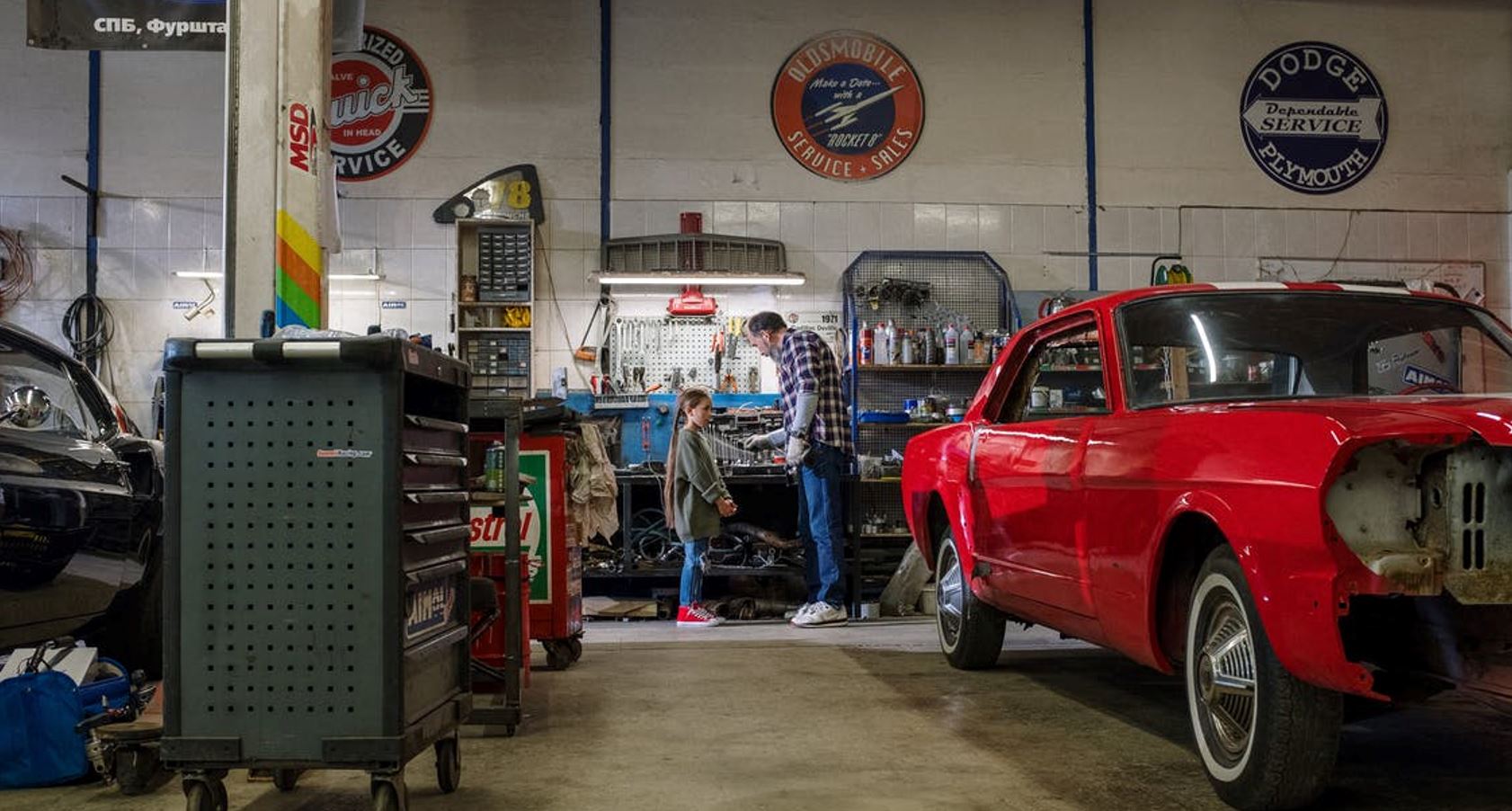
Some car repairs at home are sensible; others can injure you or destroy an expensive system. The difference is not courage or confidence, but training, tools, and consequences. This guide explains the jobs to leave to a professional and the work you can safely do yourself.
Why Some Car Repairs at Home Go Wrong
A home mechanic often lacks the special tools, service information, and safety equipment a job requires. A procedure that looks simple in a video can involve high pressure, high voltage, or a stored spring.
The risk is not only a wasted weekend. A mistake can damage the car, injure the person working, or create a hazard for the next driver. Know which car repairs at home are worth the risk.
Airbag and SRS Work
Airbags are pyrotechnic devices. They can deploy with enormous force if handled incorrectly, and the system can retain energy after the battery is disconnected. Diagnosis and replacement require manufacturer procedures.
Do not probe airbag connectors with a test light or multimeter unless the manual specifically instructs it. A deployed airbag also requires replacing related components, not just the bag.
Timing Belt and Chain Replacement
A timing belt or chain keeps the engine’s valves and pistons in sync. If it slips or breaks, the engine can suffer bent valves and a very large bill. The job requires locking tools, torque procedures, and precise alignment.
Some engines are interference designs, meaning the pistons and valves occupy the same space at different times. A small error can turn a routine belt change into a cylinder head repair.
Brake Hydraulics and ABS
Brake pads and rotors can be a reasonable DIY job for an experienced owner. Brake lines, master cylinders, ABS pumps, and bleeding procedures are different. Air in the system can cause a soft or failed pedal.
ABS and stability control require a scan tool for bleeding and calibration on many cars. If the pedal feels wrong after the work, do not drive the car.
Transmission and Clutch Internals
A clutch replacement often requires removing the transmission, supporting the engine, and aligning the new clutch. Modern automatic transmissions need precise fluid levels and relearn procedures.
A rebuilt transmission is expensive, and a small installation error can destroy it. This is a job for a shop with a lift and the right transmission tools.
High-Voltage EV and Hybrid Systems
High-voltage batteries and cables can deliver a fatal shock. Even with the service disconnect removed, capacitors may hold energy. Only trained technicians should open the orange cables or battery pack.
If you own an EV or hybrid, limit DIY work to tires, wipers, and low-voltage accessories. Leave the high-voltage system to a qualified professional.
Which Car Repairs at Home Are Reasonable?
Oil and filter changes, air filters, wiper blades, bulbs, and tire pressure checks are good starting points. Brake pads and rotors can be done by a careful owner with the right tools and torque specs.
Our guide to expensive repairs shows why some jobs are worth paying for. A good auto repair mechanic can handle the work that requires special equipment.
Tools and Safety Setup
Use jack stands, not just a jack, and work on a level surface. Wear eye protection and gloves, and keep a fire extinguisher nearby. Never work under a car that is supported only by a hydraulic jack.
Disconnect the battery when the manual says to, and wait for the specified time before working on airbags or high-voltage systems. Read the procedure twice before you start.
When to Stop and Call a Shop
Stop if you need a tool you do not own, a procedure you do not understand, or a second person to keep the job safe. Stop if the car will not start, brake, or steer normally after the work.
The NHTSA vehicle safety site has recall information and safety guidance. Good car repairs at home start with knowing when not to do the job yourself.
A Safer Way to Learn DIY Repairs
Start with jobs that do not affect safety systems. Oil changes, filters, wipers, and bulbs build familiarity with the car. Work with a friend, use jack stands, and follow the owner’s manual.
Take a class or watch a trusted course that explains torque, fasteners, and safety. Do not learn on a brake line or an airbag. The best car repairs at home are the ones you can complete and verify.
Buy the right tools before the job, not during it. A torque wrench, jack stands, and eye protection are basic. If the tool cost is high, compare it with a shop quote.
What to Do After a Failed DIY Job
Stop and assess. If the car will not start, brake, or steer normally, do not drive it. A failed repair can be more dangerous than the original problem. Call a mobile mechanic or have the car towed.
Tell the shop what you attempted and what happened. Honesty helps diagnosis and prevents a second mistake. Keep the parts and photos, especially if a warranty claim is involved.
Not every car repairs at home project is a failure. Sometimes the best decision is to stop early and pay a professional. That is still a successful repair.
Take photos before disassembly and keep the fasteners organized. If the job stalls, the photos help a professional understand what was done. A failed car repairs at home project is easier to recover when the parts are labeled.
If you are unsure about a step, stop and ask. A forum answer is not a warranty, and a mistake can cost more than the shop quote. The best car repairs at home are the ones you can finish safely.
Label the parts, keep the receipts, and take a photo before you stop. A careful recovery is better than a rushed second attempt at car repairs at home.
If a tool slips or a fastener will not move, stop. Forcing it can round the bolt or damage a nearby part, turning a small car repairs at home job into a larger repair.
Can I change my own brake pads?
Yes, if you have the right tools, jack stands, and torque specs. Leave brake lines, ABS, and master cylinder work to a professional.
Are airbags safe to remove at home?
No. Airbags are pyrotechnic devices and require manufacturer procedures and training. Incorrect handling can cause injury or death.
What car repairs are safe for beginners?
Oil changes, air filters, wiper blades, bulbs, tire pressure, and simple inspections are good starting points. Avoid safety systems and high-voltage work.
Punta Dewa is a senior automotive writer at Daily Car Care specializing in OEM repair procedures and cost-transparent maintenance. 6+ years, 150+ guides. Method: OEM manuals, TSB/recall database, and owner data. Author of 1,573 car-care guides since 2022.