

Table of Contents
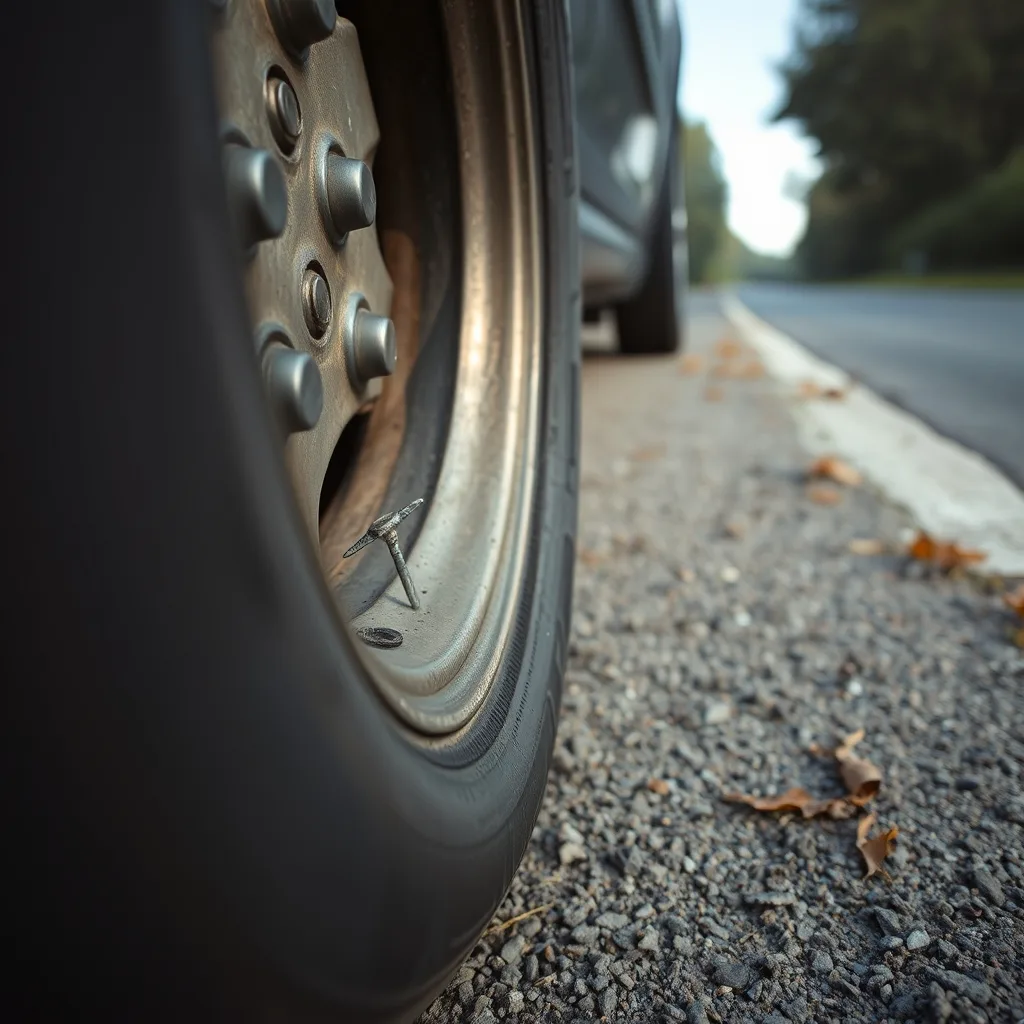
A flat tire repair can save a good tire, but it is not always safe. The location of the puncture, the tire’s age, and the condition of the sidewall decide whether a patch will hold. This guide explains when to repair, when to replace, and what a shop should check before you drive away.
Start With the Puncture Location
A flat tire repair is usually safe when the damage is in the central tread and the hole is small. That area flexes less than the sidewall and can hold a proper patch-plug.
Damage near the shoulder or on the sidewall is different. Those areas carry steering and load forces, and a repair there can fail without warning. If the hole is on the edge, plan for replacement.
A puncture in the tread can often be repaired even if the tire has some miles left. Age and internal condition still matter, so a shop should check the date code and the liner before approving the work.
When a Flat Tire Repair Is Safe
A single puncture from a nail or screw is the best candidate. The tire must still have legal tread, no cracks, and no previous damage in the same area. Ask the shop to inspect the inside of the tire, not just the outside.
A proper repair removes the tire, cleans the injury, and installs a patch-plug from the inside. A rope plug pushed in from outside is a temporary fix, not a permanent repair.
A safe flat tire repair requires a clean hole, good tread, and no prior damage. If the tire has been run flat, the sidewall may be damaged even when the outside looks fine.
When You Need a New Tire
Replace the tire if the sidewall is cut, bulged, or punctured. Replace it if the tread is worn, the tire is old, or the puncture is too large for a safe repair. Two repairs close together can also weaken the structure.
A tire with a bulge has broken internal cords and cannot be repaired. Driving on it risks a blowout. If you are unsure, compare the cost of a tire with the cost of a crash.
Replace rather than repair when the injury is large, close to the edge, or repeated. A tire with a temporary plug should be inspected soon, because the plug can leak over time.
What Happens During the Repair
The technician demounts the tire, inspects the liner, and marks the injury. They clean and fill the hole, then install a patch-plug and seal it. The tire is remounted, balanced, and checked for leaks.
Ask for the old parts and a written warranty. A repair that is not documented can be hard to claim later. Our guide to buying new car tires explains what to check if replacement is the better choice.
A proper flat tire repair includes a new valve stem and a balance check. Ask for the tire to be inflated to the door-jamb pressure, not the maximum on the sidewall.
Plug Kits and DIY Limits
A store-bought plug kit can get you to a shop for a proper flat tire repair, but it is not a long-term repair. Plugs can leak, corrode the steel belts, and fail at speed. Use them only as an emergency measure.
Never plug a sidewall or a shoulder injury. Do not use sealant as a substitute for a proper repair. Sealant can hide the damage and make the tire harder to inspect.
A plug kit is useful for an emergency, but it does not seal the inner liner. Use it only to reach a shop, and tell the technician that a temporary plug is in place.
Driving on a Spare or Run-Flat
A temporary spare has a lower speed and distance limit. Check the pressure before you drive, and keep the limit in mind. A run-flat tire that has lost pressure may not be repairable.
Do not mix a temporary spare with a full-size tire on the drive axle for long. Get the damaged tire inspected as soon as possible. Our tire care guide covers pressure and tread checks.
A spare tire should be checked monthly, including the pressure and the tread. A compact spare may be limited to 50 mph and a short distance, so plan the repair route.
Cost: Repair vs Replace
A flat tire repair often costs $25 to $50, while a new tire can cost $100 to $300 or more. Repair is cheaper, but only when the tire is a safe candidate.
A cheap repair on a damaged tire is not a saving. If the tire is old or worn, replacement may be the better value. The fueleconomy.gov maintenance guide explains how tires affect safety and fuel use.
Repair cost is usually modest, but a second repair in the same area can be refused. A tire shop may also charge for disposal and a new valve stem when you replace the tire.
Preventing the Next Flat
Check pressure monthly and inspect the tread for nails, screws, and glass. Keep the spare inflated and the jack and wrench in the car. Avoid driving close to construction debris.
Rotate the tires on schedule and fix alignment problems early. A tire that wears unevenly is more vulnerable to damage. Replace tires before the tread is worn out.
Prevention starts with where you drive and how you maintain the tires. Keep the tires inflated to the correct pressure and replace them before the tread is worn smooth.
What to Tell the Shop
Describe where the puncture is, how the car felt, and whether you drove on it while flat. Mention any prior repairs and the tire’s age. Ask for an internal inspection before approving a repair.
If the shop says the tire cannot be repaired, ask why. A clear explanation helps you decide between a used tire, a new pair, or a full set. Do not let price pressure override safety.
Ask whether the shop uses a patch-plug for the flat tire repair or a patch only. A patch-plug fills the hole and seals the liner, which is the preferred method for a safe flat tire repair.
Bottom Line on Flat Tire Repair
A flat tire repair is worth considering when the puncture is small and central, the tire is not too old, and the sidewall is undamaged. Ask for an internal inspection and a patch-plug rather than a quick outside plug.
If the tire has been driven flat, shows a bulge, or has a cut near the shoulder, replacement is the safer choice. A flat tire repair should restore reliability, not just hold air for a few days.
Keep the repaired tire at the correct pressure and check it after a day. A second leak or a slow loss of air means the flat tire repair did not seal correctly and needs another look.
Quick Checklist
- Confirm the puncture is in the central tread.
- Ask for an inside inspection and a patch-plug.
- Recheck pressure after 24 hours.
- Replace the tire if the sidewall is damaged.
Can a flat tire with a nail in the tread be repaired?
Often yes, if the hole is small and in the central tread. A shop must inspect the inside and use a patch-plug. Sidewall and shoulder damage cannot be repaired safely.
How long does a flat tire repair last?
A proper patch-plug can last the remaining life of the tire. A rope plug is temporary. The repair quality and the tire’s condition determine how long it holds.
Is it safe to drive on a repaired tire?
Yes, if a qualified shop performed the repair and the tire holds pressure. Recheck the pressure after a day and watch for a slow leak.