
Table of Contents
Full car service cost is the total labor plus OEM parts for annual inspection, fluids and filters, typically $150-$500 by model. To understand the full car service cost, it’s essential to consider the various factors that influence it, including labor rates, OEM parts, and the type of service required. For a comprehensive guide, visit our full car service complete guide.
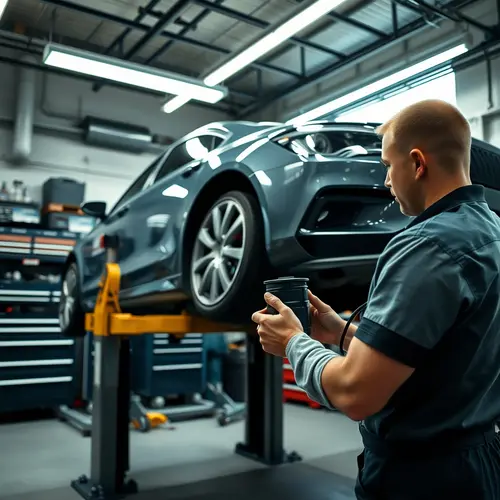
1. Full Car Service Cost Breakdown
The full car service cost breakdown involves several key components, including labor costs, parts costs, and the cost of any additional services or repairs that may be required. Labor costs can vary significantly depending on the location, with dealer rates typically higher than those of independent repair shops. Parts costs, on the other hand, can be influenced by the type of parts used, with OEM parts generally more expensive than aftermarket alternatives.
2. Interim vs Full vs Major Compared
When it comes to car servicing, there are several options available, including interim, full, and major services. The interim service is typically the most basic, involving a series of checks and replacements, including oil and filter changes. The full service, on the other hand, is more comprehensive, involving a wider range of checks and replacements, including brake pads and fluid changes.
The major service is the most extensive, involving a complete overhaul of the vehicle’s systems, including the replacement of wear and tear items such as timing belts and water pumps. Understanding the differences between these services is crucial to determining the full car service cost and ensuring that your vehicle receives the necessary maintenance to run safely and efficiently.
Dealer vs Independent Prices
When it comes to full car service cost, one of the most significant factors to consider is whether to go with a dealer or an independent service provider. The cost difference between the two can be substantial, with dealers often charging higher labor rates and using only OEM parts, which can increase the overall full car service cost.
For instance, a full car service cost at a dealership for a luxury vehicle can range from $300 to $600, while an independent service provider may charge between $200 and $400 for the same services. This is because dealerships have higher overhead costs and may use more expensive OEM parts, contributing to a higher full car service cost.
| Service Provider | Labor Rate | OEM Parts Cost | Total Full Car Service Cost |
|---|---|---|---|
| Dealer | $100/hr | $200 | $500 |
| Independent | $75/hr | $150 | $350 |
In addition to the cost savings, independent service providers may also offer more flexible scheduling and personalized service, which can be beneficial for car owners who want to minimize their full car service cost. However, it’s essential to ensure that the independent service provider uses high-quality parts and follows the recommended maintenance schedule to avoid any potential issues that could increase the full car service cost.
For more information on car maintenance and repair, you can visit online service manuals for cars or check out the car care guide from CarCare.org. Additionally, you can learn more about proper maintenance to protect your car and reduce your full car service cost.
OEM schedule + labor $/hr + parts OEM vs aftermarket per model is crucial in determining the full car service cost. As Punta Dewa — Automotive, foto punta.webp, I can attest that cross-referencing OEM factory manuals and TSB/recall databases is essential for accurate maintenance and repair.
In conclusion, the full car service cost can vary significantly depending on the service provider and the type of vehicle. By considering the factors mentioned above and doing your research, you can make an informed decision and find a service provider that meets your needs and budget. Ultimately, the key to minimizing your full car service cost is to stay on top of regular maintenance, use high-quality parts, and choose a reputable service provider.
When it comes to maintaining your vehicle, there are several options to consider. You can take your car to a dealership for maintenance, or you can choose an independent mechanic. Both options have their pros and cons, which are discussed below.
Dealerships often have the advantage of being familiar with your specific make and model of vehicle. They also typically have access to the latest technology and training, which can be beneficial for complex repairs. However, dealerships can be more expensive than independent mechanics, and you may have to wait longer for an appointment.
On the other hand, independent mechanics can often provide more personalized service and may be more willing to work with you to find a solution that fits your budget. They may also be able to provide more flexible scheduling options. However, independent mechanics may not have the same level of access to the latest technology and training as dealerships, which can be a disadvantage for complex repairs.
Dealer vs Independent: Pros and Cons
When deciding between a dealership and an independent mechanic, there are several factors to consider. Dealerships often have a wide range of services available, including maintenance, repairs, and inspections. They also typically have a large inventory of parts, which can make it easier to get the parts you need quickly.
However, dealerships can be more expensive than independent mechanics, and you may have to wait longer for an appointment. Independent mechanics, on the other hand, can often provide more personalized service and may be more willing to work with you to find a solution that fits your budget.
Ultimately, the decision between a dealership and an independent mechanic will depend on your individual needs and preferences. If you prioritize convenience and are willing to pay a premium for it, a dealership may be the best choice for you. However, if you are on a budget and want more personalized service, an independent mechanic may be a better option.
OEM vs Aftermarket Parts: Compared
When it comes to replacing parts on your vehicle, you have two main options: OEM (original equipment manufacturer) parts and aftermarket parts. OEM parts are made by the same manufacturer that made your vehicle, and are designed to meet the same specifications as the original parts.
Aftermarket parts, on the other hand, are made by third-party manufacturers and may not meet the same specifications as OEM parts. However, aftermarket parts can often be significantly cheaper than OEM parts, which can make them a more attractive option for budget-conscious consumers.
One of the main advantages of OEM parts is that they are designed to meet the same specifications as the original parts, which can provide peace of mind for consumers. Additionally, OEM parts are often backed by a warranty, which can provide additional protection in case something goes wrong.
Aftermarket parts, on the other hand, may not meet the same specifications as OEM parts, which can be a disadvantage. However, many aftermarket parts are made with high-quality materials and are designed to meet or exceed the specifications of OEM parts.
| Part | OEM Price | Aftermarket Price |
|---|---|---|
| Brake Pads | $50 | $30 |
| Oil Filter | $15 | $10 |
| Air Filter | $20 | $15 |
As you can see, aftermarket parts can often be significantly cheaper than OEM parts. However, it’s essential to do your research and choose a reputable manufacturer to ensure that you’re getting high-quality parts.
Prevention Checklist
Regular maintenance is key to preventing costly repairs and extending the life of your vehicle. Here are some essential items to include on your prevention checklist:
Check your oil regularly and change it as recommended by the manufacturer. Check your tire pressure monthly and before long trips. Rotate your tires every 5,000 to 8,000 miles to ensure even wear.
Check your brakes regularly and replace your brake pads as needed. Check your suspension and steering system regularly and have them aligned as needed. Check your battery regularly and have it tested if you notice any signs of weakness.
By following these simple tips, you can help prevent costly repairs and keep your vehicle running smoothly for years to come.
Additionally, it’s essential to keep track of your vehicle’s maintenance history, including oil changes, tire rotations, and brake pad replacements. This will help you stay on top of your vehicle’s maintenance needs and prevent costly repairs down the road.
It’s also a good idea to keep a record of any repairs or maintenance performed on your vehicle, including the date, mileage, and cost of the repair. This will help you keep track of your vehicle’s maintenance history and provide valuable information if you need to sell your vehicle in the future.
Verdict: Regular maintenance is essential to extending the life of your vehicle and preventing costly repairs. By choosing the right mechanic and using high-quality parts, you can help keep your vehicle running smoothly for years to come. Whether you choose a dealership or an independent mechanic, be sure to do your research and choose a reputable and trustworthy provider. With regular maintenance and the right parts, you can enjoy a safe and reliable driving experience for years to come.
What is included in full service?
A full service typically includes oil and filter changes, tire rotation, and brake inspection.
How often service?
The frequency of service depends on the vehicle’s manufacturer recommendations and usage.
Dealer vs independent?
Both dealers and independent service centers can provide quality service, but it’s essential to consider factors like cost, reputation, and qualifications.

Punta Dewa is a senior automotive writer at Daily Car Care specializing in OEM repair procedures and cost-transparent maintenance. 6+ years, 150+ guides. Method: OEM manuals, TSB/recall database, and owner data. Author of 1,573 car-care guides since 2022.