
Table of Contents
What Makes a Full Car Service Different
The distinction lies in scope and depth. While a basic service might cover oil changes and tire pressure checks, a full car service involves systematic evaluation of brake systems, suspension components, electrical systems, fluid levels across all reservoirs, and comprehensive diagnostics. According to ASE (Automotive Service Excellence) standards, this service level should encompass both preventive maintenance and early problem detection. Most automotive manufacturers recommend this service level every 12,000 miles or annually, whichever arrives first. However, driving conditions significantly impact these intervals—frequent short trips, extreme temperatures, or towing heavy loads accelerate wear patterns and may necessitate more frequent servicing.Core Components of a Full Car Service
A legitimate full service follows a structured checklist. Reputable service centers align their procedures with manufacturer specifications while incorporating industry best practices.Engine and Powertrain Inspection
Technicians perform oil and filter replacement using manufacturer-specified viscosity grades. They inspect timing belts or chains for wear indicators, examine engine mounts for deterioration, and check all accessory belts for cracking or glazing. The air filter gets replaced or cleaned, and the fuel filter receives attention based on mileage intervals. Spark plugs undergo inspection and replacement according to the service schedule—typically between 30,000 and 100,000 miles depending on plug type. Modern iridium or platinum plugs last considerably longer than traditional copper variants.Fluid Systems Analysis
Every fluid reservoir requires attention during a full car service. This includes transmission fluid, brake fluid, power steering fluid, coolant, and windshield washer fluid. Technicians don’t simply top off levels—they assess fluid condition, checking for contamination, proper color, and appropriate viscosity.- Brake fluid testing for moisture content (should remain below 3% to prevent vapor lock)
- Coolant pH levels and freeze point verification
- Transmission fluid color analysis (dark or burnt-smelling fluid indicates internal problems)
- Differential and transfer case fluid inspection for four-wheel and all-wheel drive vehicles
Brake System Evaluation
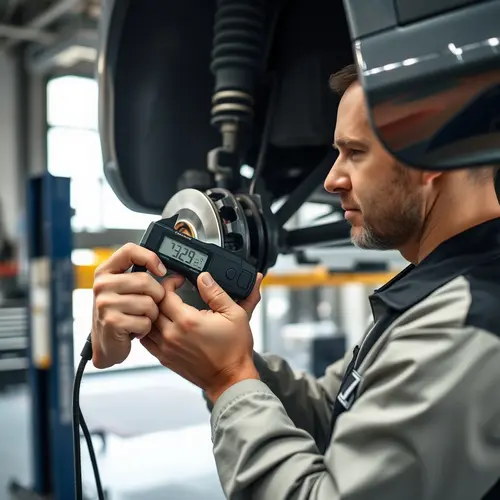
The brake inspection goes beyond visual pad thickness checks. Technicians measure rotor thickness against manufacturer minimums, check for warping or scoring, inspect caliper slide pins for proper lubrication, and test brake hose flexibility. The parking brake mechanism receives adjustment and the brake pedal feel gets evaluated for firmness and proper travel distance.Cost Analysis: Investment vs Value
Pricing for a full car service varies significantly based on vehicle type, location, and service provider. Understanding these cost structures helps you make informed decisions.| Vehicle Category | Typical Cost Range | Time Required | Key Factors |
|---|---|---|---|
| Compact/Sedan | $200-$400 | 2-3 hours | Standard parts, straightforward access |
| SUV/Truck | $300-$500 | 3-4 hours | Larger fluid capacities, heavier components |
| Luxury/European | $500-$800 | 3-5 hours | Specialized tools, premium fluids, complex systems |
| Performance/Exotic | $800-$1,500 | 4-6 hours | Manufacturer-specific procedures, specialized expertise |
Hidden Value Propositions
The immediate cost represents only surface-level economics. A properly executed full car service prevents catastrophic failures that cost exponentially more. A $350 service that identifies early transmission fluid degradation prevents a $3,000-$5,000 transmission rebuild. Catching brake rotor scoring early means a $300 brake job instead of a $800 complete system overhaul. Insurance implications deserve consideration too. Documented maintenance history strengthens claims during mechanical breakdown disputes and increases resale value by 10-15% according to automotive valuation experts.Service Interval Strategy
Manufacturer service schedules operate on two tracks: normal and severe duty. Most drivers actually fall into the severe duty category without realizing it. Severe duty conditions include frequent trips under 10 miles, extensive idling, dusty environments, trailer towing, or operation in temperature extremes. These conditions accelerate component wear significantly. If 50% or more of your driving matches these patterns, follow the severe duty schedule—typically requiring a full car service every 6-8 months or 6,000-8,000 miles.Mileage Markers That Matter
Certain mileage thresholds trigger additional service requirements beyond standard procedures. At 60,000 miles, most vehicles need transmission fluid exchange, coolant system flush, and brake fluid replacement. The 90,000-mile mark typically demands timing belt replacement on interference engines—a non-negotiable service that prevents catastrophic engine damage.Professional Service vs DIY Approach
Mechanically inclined owners can handle specific full car service components independently, but limitations exist. Oil changes, air filter replacement, and basic fluid top-offs require minimal tools and expertise. However, brake system bleeding, suspension geometry checks, and diagnostic scanning demand specialized equipment. The liability factor weighs heavily. Professional shops carry insurance covering workmanship errors. DIY brake work that fails creates serious legal exposure if an accident occurs. For critical safety systems, professional service provides both technical precision and legal protection.Expert Opinion: The Maintenance Paradox
After working with thousands of vehicles, I’ve observed a counterintuitive pattern: owners who obsessively follow service schedules sometimes experience premature component failures. The explanation? Over-servicing. Excessive oil changes (every 3,000 miles with synthetic oil) waste money without benefit—modern synthetics easily handle 7,500-10,000 mile intervals. More problematic, unnecessary transmission fluid changes on sealed units can introduce contaminants or air into hydraulic systems. Similarly, aggressive engine flushes on high-mileage engines can dislodge deposits that were actually sealing minor leaks, causing sudden oil consumption issues. The optimal approach balances manufacturer guidance with actual driving conditions. A full car service should address genuine needs based on inspection findings, not arbitrary mileage triggers alone. Trust a technician who explains why specific services are needed based on measurable wear indicators rather than one who pushes every possible service regardless of necessity.Selecting the Right Service Provider
Certification matters significantly. Look for ASE-certified technicians and shops displaying current certifications. Manufacturer dealerships offer brand-specific expertise and access to technical service bulletins, but independent shops certified for your vehicle make often provide equivalent quality at lower prices. Request detailed service reports. Quality shops provide comprehensive documentation with measurements, photos of worn components, and prioritized recommendations. Vague statements like “needs work” without supporting evidence indicate substandard practices.Red Flags to Avoid
- Shops refusing to show you old parts they claim to replace
- Pressure tactics emphasizing immediate service without explanation
- Declining diagnostic testing before recommending repairs
- Inability to provide detailed estimates in writing
- No warranty offered on parts or labor
The Long-Term Maintenance Mindset
Vehicle ownership costs extend far beyond monthly payments and fuel. The strategic difference between a car lasting 100,000 miles versus 250,000 miles lies almost entirely in consistent, intelligent maintenance execution. Consider maintenance as an investment portfolio. Regular deposits (scheduled services) compound over time, yielding returns in reliability, safety, and retained value. Skipping services creates maintenance debt that eventually comes due with interest—usually at the worst possible moment. A full car service represents the cornerstone of this approach. It’s not an expense to minimize but rather an investment in transportation security. The vehicle that reliably starts every morning, stops predictably in emergencies, and requires minimal unscheduled repairs doesn’t achieve that status through luck—it results from deliberate, systematic maintenance attention. Your relationship with your vehicle should mirror a health partnership. Regular checkups catch problems early when solutions remain simple and affordable. Waiting for symptoms to become severe guarantees more complex interventions at substantially higher costs. The mechanic who knows your vehicle’s history provides better diagnostic insights than one seeing it for the first time during a crisis. Ultimately, the full car service delivers peace of mind that transcends mechanical function. It’s the confidence to take that road trip without anxiety, the assurance your family travels in a safe vehicle, and the financial predictability of managed maintenance costs rather than emergency repair expenses. That value proposition justifies the investment every single time.Related maintenance guides: full car service cost and what a full car service includes.
What is included in a full car service?
A full service typically covers oil and filters, brake inspection, tire condition, fluid levels, lights, suspension checks, and a diagnostic scan.
How long does a full car service take?
Most cars need two to four hours, depending on the inspection scope and any extra work found during the check.
How often should I book a full car service?
Most manufacturers recommend a full service every 12 months or 12,000 miles, whichever comes first. Severe use may require shorter intervals.

Punta Dewa is a senior automotive writer at Daily Car Care specializing in OEM repair procedures and cost-transparent maintenance. 6+ years, 150+ guides. Method: OEM manuals, TSB/recall database, and owner data. Author of 1,573 car-care guides since 2022.