
Table of Contents
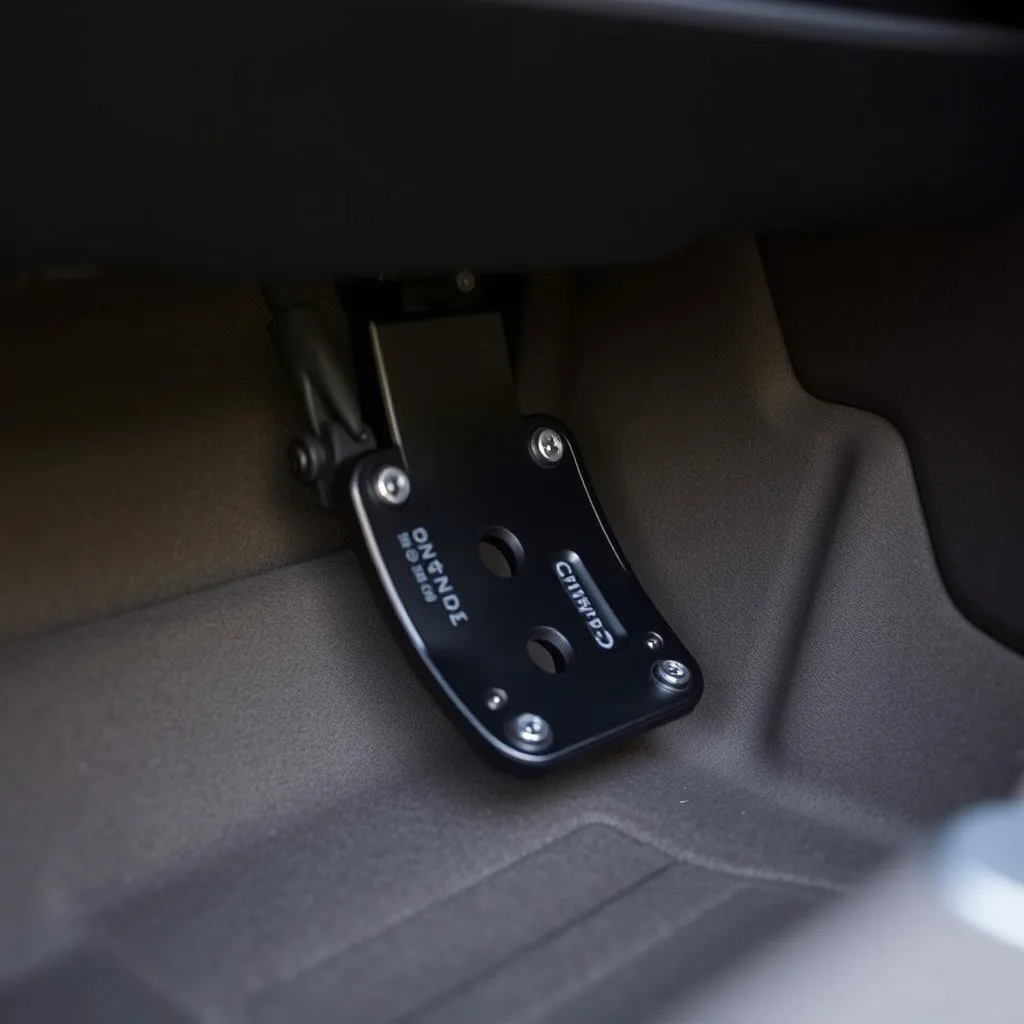
A clutch pedal extension moves the pedal closer to the driver without changing the car permanently. It can help shorter drivers reach the pedal comfortably and operate the clutch with less strain. This guide covers the benefits, fitment, safety, and installation of a clutch pedal extension.
Why Drivers Use One
A clutch pedal extension reduces the distance between the seat and the pedal. Drivers with a short inseam often sit too close to the wheel to reach the clutch fully.
The extension lets them keep a safer seating position while still pressing the pedal to the floor. That can improve control and reduce knee and hip fatigue.
It is also useful in vans, trucks, and classic cars with a long pedal travel. A clutch pedal extension is a simple adaptation when the seat does not adjust far enough forward.
How It Attaches
Most extensions clamp or bolt onto the existing pedal arm. Some replace the rubber pad, while others add a block that raises the pedal surface.
A good design uses the original mounting points and does not interfere with pedal travel. Avoid anything that relies on tape or a friction fit alone.
Check that the extension clears the carpet, the dead pedal, and the brake pedal. A clutch pedal extension that rubs or blocks the brake is unsafe.
Fitment and Compatibility
Fitment depends on the pedal shape, the arm width, and the space in the footwell. Universal kits often need drilling or a custom bracket.
Measure the pedal width and the distance to the floor before buying. Confirm that the extension does not reduce the pedal travel needed to disengage the clutch.
Some cars have a plastic pedal arm that cannot support a clamp. In that case, a vehicle-specific clutch pedal extension or a pedal adjustment is the better choice.
Check the distance from the pedal to the floor before and after the install. The clutch needs enough travel to release fully, and the extension must not limit the last inch. Measure, test, and adjust the seat before you drive in traffic.
If the car has adjustable pedals, set them to a comfortable position before fitting an extension. You may not need the extra height. Use the extension only when the seat and wheel are already set correctly.
Materials and Build Quality
Look for steel or aluminum with a secure clamp and a textured surface. Rubber pads should be thick enough to grip a wet shoe.
Cheap plastic extensions can crack or rotate under repeated use. A loose clutch pedal extension can cause a missed shift or a sudden loss of control.
Stainless hardware resists rust, but it still needs periodic checking. Use a locking washer or threadlocker where the manufacturer allows it.
Installation Steps
Disconnect the battery if the work requires removing trim or wiring. Slide the seat back for access and note how the original pedal pad is attached.
Fit the bracket, tighten the fasteners evenly, and check the pedal for full travel. The clutch should disengage and engage smoothly without binding.
Test the clutch pedal extension with the engine off first, then in a safe area at low speed. Make sure the pedal returns fully and does not catch on the floor mat.
Safety and Insurance
A pedal extension is a modification, and insurance rules vary. Tell your insurer if the car is modified, especially if the change affects the controls.
Use a product designed for road use, not a homemade block. A clutch pedal extension must not interfere with the brake, throttle, or airbag sensors.
Have the installation checked if you are unsure. A second opinion is cheaper than a crash caused by a pedal that binds.
Tell your insurer if the extension changes the pedal position, and check the NHTSA guidance on vehicle controls. Some policies treat any control modification as a risk, and a claim could be affected. Keep the receipt and the product documentation with the car.
Ask a passenger to watch the pedal movement while you press it slowly. The extension should travel smoothly and return without a delay. If it binds, stop and fix it before driving.
Driving Feel and Adjustment
A thicker extension changes the pedal ratio and may feel firmer or shorter. Give yourself time to adapt in an empty lot before normal driving.
Adjust the seat and steering wheel after fitting the extension. The goal is a comfortable reach with the clutch fully depressed and the knee slightly bent.
If the pedal is now too close, choose a thinner block or a different seat position. A clutch pedal extension should improve control, not create a cramped posture.
Common Mistakes
The most common mistakes are an insecure clamp, a pedal that rubs the carpet, and a loss of full travel. Each can cause a missed shift or a dragging clutch.
Do not stack spacers to gain height unless the hardware is designed for it. More height can reduce the pedal travel and damage the clutch.
Recheck the fasteners after the first week. A clutch pedal extension that loosens over time is a serious safety risk.
Buying Checklist
Confirm the pedal shape, the arm material, and the required travel before ordering. Choose a kit with a warranty and clear installation instructions.
Ask whether the clutch pedal extension has been tested on your model. A seller who knows the fit is more useful than a generic size chart.
Keep the stock pedal pad and hardware so you can reverse the change. The transmission guide and service schedule help with related maintenance.
Clean the pedal surface before fitting the extension. Dust and rubber debris can make the clamp slip. Recheck the bolts at every oil change and after any work near the pedals.
Keep the pedal area clean and free of loose mats. A floor mat that slides under the pedal can cause an accident, even with a stock pedal. Check the mat retainers after every service.
Bottom Line on Clutch Pedal Extensions
A clutch pedal extension can make a manual car easier to drive for shorter drivers. The key is a secure fit, full pedal travel, and clearance from the brake and throttle.
Choose a quality kit, test it carefully, and recheck the fasteners. A well-installed clutch pedal extension improves comfort without compromising control.
Quick Checklist
- Measure the pedal and footwell.
- Confirm full clutch travel.
- Check brake and throttle clearance.
- Recheck fasteners after a week.
Is a clutch pedal extension safe?
It is safe when it is securely mounted, clears the other pedals, and allows full clutch travel. A loose or poorly fitted extension can be dangerous.
Will a clutch pedal extension fit my car?
It depends on the pedal shape and arm. Measure the pedal and check for a model-specific kit before buying a universal extension.
Does an extension affect clutch wear?
It can if it prevents full pedal travel. The clutch may drag and wear faster, so confirm the pedal still disengages completely.

Punta Dewa is a senior automotive writer at Daily Car Care specializing in OEM repair procedures and cost-transparent maintenance. 6+ years, 150+ guides. Method: OEM manuals, TSB/recall database, and owner data. Author of 1,573 car-care guides since 2022.