

Table of Contents
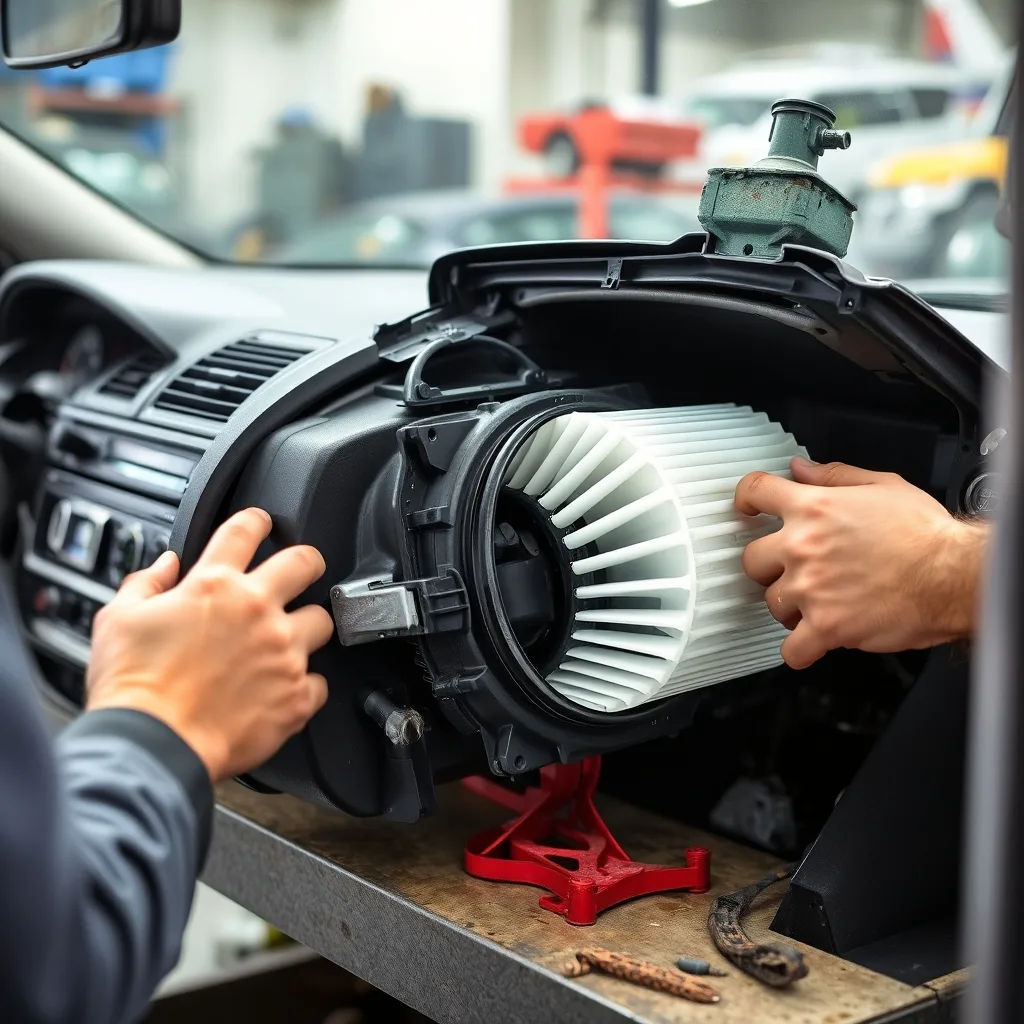
A blower motor not working can leave the cabin without heat, AC, or defrost. The fault may be as simple as a fuse or as involved as a failed motor. This guide walks through the circuit in order so you can find the cause without replacing parts at random.
How the Blower Circuit Works
The blower motor pushes air through the heater core and evaporator. A fuse protects the circuit, a relay switches power, and a resistor or control module sets the speed.
The switch or climate module commands the speed, and the motor turns the fan cage. A fault anywhere in that chain can make the blower motor not working.
Some cars use a blower motor control module instead of a resistor. The module can fail and leave the fan on one speed or off.
Check 1: Fuse and Relay
Locate the blower fuse in the underhood or interior fuse box and check it with a test light. A blown fuse may indicate a shorted motor or a wiring fault.
Swap the relay with an identical one if the layout allows. If the blower starts, the relay was the problem. Replace it rather than tapping on it.
A test light should glow at the motor connector when the fan is on. If it does not, work back toward the relay.
A blower motor not working can also be a control-head problem. Some systems use a stepper motor or a module that commands the fan, and a failed head can leave the fan off. Check for a signal at the module before you replace the motor. If the signal is missing, diagnose the controls.
Check 2: Blower Resistor
Many cars use a resistor pack to provide low and medium speeds. If only the highest speed works, the resistor is a likely suspect.
The resistor often fails from heat and corrosion. Inspect the connector for melted plastic, which can indicate a failing motor drawing too much current.
A resistor that is hot to the touch can be normal, but a melted connector is not. Replace the pigtail if it is damaged.
Check 3: Motor Connector and Ground
Disconnect the motor and inspect the connector for burns, green corrosion, or a loose pin. Check the ground point for rust and tightness.
A voltage drop test at the motor can show whether power is reaching it. If voltage is present and the motor does not turn, the motor or its ground is suspect.
Check the motor ground under the dash. A loose ground can cause intermittent operation over bumps.
A replacement motor should match the original connector and cage. Compare the rotation direction and the mounting holes before installation. On a blower motor not working, a cheap universal motor can fit badly and vibrate. Transfer the cage carefully, because a bent fin can cause noise.
Check 4: The Motor Itself
A worn motor may squeal, smell hot, or draw excessive current. Debris in the fan cage can also stop it. Remove the motor and inspect the cage and bearings.
Do not force a stuck cage. A replacement motor is often the practical fix when the bearings are rough or the brushes are worn.
Spin the cage by hand. It should turn freely without rubbing or a gritty feel.
Check 5: Controls and Relay Module
On cars with automatic climate control, a blower control module or a head unit can fail. A scan tool can show whether the module is commanding the motor.
If the command is present but the motor does not run, the fault is downstream. If there is no command, diagnose the controls and the module.
If the fan runs only on high, the resistor or module is the likely fault. Confirm with a voltage test.
If the blower motor not working complaint returns, check the connector for heat damage. A loose terminal can arc and melt the plug, which looks like a failed motor. Replace the pigtail and the motor together when you find that damage. Keep the cabin filter clean to reduce the load on the fan.
Cabin Filter and Debris
A clogged cabin filter restricts airflow but usually does not stop the motor. Leaves and debris can jam the cage and cause a noise or a stalled motor.
Replace the filter at the recommended interval and clean the intake. This is cheap insurance for a blower motor not working properly.
Leaves in the cowl can enter the housing and jam the cage. Clean the intake while the motor is out.
Replacement Steps
Disconnect the battery, remove the lower trim or glovebox as needed, and unplug the motor. Note the mounting orientation and transfer any necessary parts to the new motor.
Install the new motor, reconnect the connector, and test every speed before reassembling the trim. A charging-system guide and a service schedule help with related electrical checks.
Transfer the mounting gasket to the new motor. A missing gasket can cause a rattle or an air leak.
A blower motor that works on some speeds but not others points to the resistor or the module. A blower motor not working at any speed can be a fuse, a relay, or a ground. Test the easy parts before you remove the motor. A blower motor not working is often a small electrical fault, not a failed fan.
Prevention
Keep the cabin filter clean and the cowl free of leaves. Fix a noisy motor before it fails completely, and avoid forcing the fan cage by hand.
A blower motor not working in winter can be a safety issue when the windshield fogs. Repair it before the weather turns. The AAA auto repair guide can help you choose a shop.
Run the fan on every speed before reinstalling the trim. A quick check avoids a second disassembly.
Bottom Line on a Blower Motor Not Working
A blower motor not working is usually a fuse, relay, resistor, or motor fault. Test the circuit in order before replacing the most expensive part.
If the motor is noisy or draws too much current, replace it and check the connector. A repaired blower restores defrost, heat, and AC when you need them most.
Quick Checklist
- Check the fuse and relay.
- Test the resistor and connector.
- Verify power and ground at the motor.
- Replace the cabin filter.
Why does my blower motor only work on high speed?
A failed blower resistor is the most common cause. The resistor controls the lower speeds, while the high-speed circuit bypasses it.
Can a bad blower motor cause a battery drain?
Yes, if the motor or relay stays powered after the key is off. A parasitic draw test can confirm it.
How much does a blower motor replacement cost?
The part often costs $50 to $200, with labor varying by access. Some vehicles require dashboard disassembly, which raises the cost.