
Table of Contents
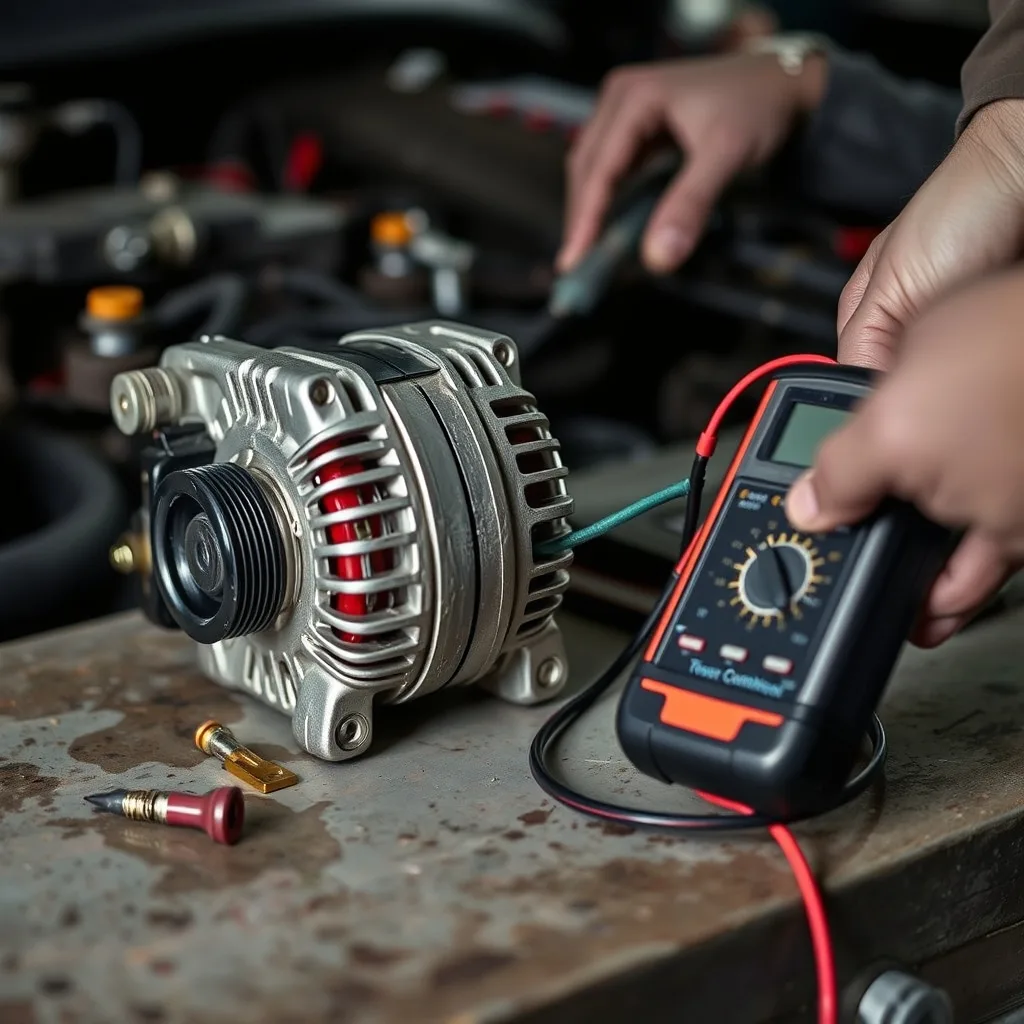
A car alternator charges the battery and powers the electrical system while the engine runs. When it weakens, the battery does the work until the car will not start. This guide explains the warning signs and the checks that keep a car alternator healthy.
What the Alternator Does
The alternator converts engine rotation into electricity. A regulator controls voltage so the battery stays charged and the electronics get stable power.
Most charging systems target about 13.5 to 14.5 volts at idle. A reading outside that range can point to the alternator, the battery, or the wiring.
A car alternator is part of a system that includes the battery, cables, and belt. Testing one part without the others can lead to a wrong diagnosis.
Sign 1: Battery Warning Light
The battery light means the charging system is not working as expected. It can be the alternator, a belt, a fuse, or a wiring fault.
Do not assume the battery is bad. Test the charging voltage before replacing parts.
A battery light can appear because of a loose belt or a bad ground. Check the simple items before replacing the alternator.
Sign 2: Dim or Flickering Lights
Lights that dim at idle or flicker with engine speed suggest unstable voltage. A failing alternator or a loose connection can cause it.
Check the battery terminals and ground straps first. Corrosion and a loose belt can imitate a failing alternator.
Dim lights at idle can be normal on some cars, but a new flicker or a bright surge is not. Have the voltage checked.
Sign 3: Slow Cranking and Dead Battery
A battery that keeps going flat may be old, or it may not be getting charged. A parasitic drain can also be the cause.
Charge the battery and test the alternator output. A load test can show whether the battery can hold a charge.
A battery that dies overnight may have a parasitic drain rather than a weak alternator. A current draw test can find the circuit.
Sign 4: Whining or Grinding Noise
A worn bearing or a loose belt can make a whining or grinding noise that changes with engine speed.
Remove the belt and spin the pulley by hand to check for roughness. Do not spray lubricant into the alternator.
A bearing noise that disappears when the belt is removed points to the alternator or an idler pulley. Spin each pulley by hand.
Sign 5: Burning Smell
A burning smell can come from a slipping belt, overheated wiring, or a failing alternator. Stop and inspect it.
A hot alternator or a melted connector is a fire risk. Do not keep driving.
A burning smell from the alternator area is a reason to stop driving. A failed diode can overheat the case and damage nearby parts.
Belt, Wiring and Battery Checks
Inspect the belt for cracks and glazing, and check the tensioner. Look at the charge cable and ground connections for corrosion.
Test the battery and the charging voltage with the engine running. Our high-output alternator guide explains upgrades and wiring.
A loose belt can slip and glaze, which reduces charging. Replace the belt at the recommended interval and check the tensioner.
Maintenance That Helps
Keep the battery terminals clean and tight. Replace the belt at the recommended interval, and fix oil leaks that can damage the alternator.
Avoid powering accessories with the engine off for long periods. A healthy battery reduces the strain on the alternator.
A healthy battery and clean connections reduce the load on a car alternator. Avoid leaving accessories on with the engine off.
When to Replace the Alternator
Replace it if the output is low, the bearing is noisy, or the case is damaged. A qualified shop can test the diodes and regulator.
A service visit can catch a weak charging system before a breakdown. The AAA auto repair guide explains what to ask a shop.
A shop can test the alternator under load and check the ripple. That is more reliable than a voltage reading alone when diagnosing a car alternator.
Bottom Line on Car Alternator Care
A car alternator usually gives warning before it fails. Watch the battery light, listen for bearing noise, and test the charging voltage at the first sign of trouble.
Most car alternator problems are easier and cheaper to fix when caught early. A loose belt or a corroded cable can imitate a failed unit, so test the whole system.
Keep the battery and connections clean, and replace the belt on schedule. A healthy car alternator keeps the electronics stable and prevents a dead battery.
Quick Checklist
- Test charging voltage at idle.
- Inspect the belt and tensioner.
- Clean battery terminals and grounds.
- Fix oil leaks near the alternator.
A car alternator that passes a voltage test can still fail under load. Ask for a load test and a ripple check if the battery light is intermittent. A car alternator with a bad diode can charge poorly without setting an obvious code.
If the battery is more than a few years old, test it before replacing the alternator. A weak battery can make a healthy car alternator look bad.
Record the voltage and the date of any charging-system service. That history helps the next diagnosis.
If you replace the alternator, inspect the belt and tensioner at the same time. Photograph the belt routing before removal so the new belt goes on the same way. A worn belt can slip and make the new unit look defective.
Keep the battery terminals clean and tight. A loose connection can cause voltage spikes that damage electronics.
After the repair, check the charging voltage at idle and under load. A test drive with the lights and AC on confirms the system can keep up.
Check the charging voltage with the headlights and blower on. The extra load shows whether the alternator can keep up in real driving. Record the reading before and after any repair. A simple voltage record makes it easier to spot a slow decline over time.
How long does a car alternator last?
Many last 100,000 to 150,000 miles, but heat, oil leaks, and heavy electrical loads shorten life. Test it if the battery light appears.
Can I drive with a bad alternator?
Only a short distance on battery power. The car will eventually stall, and a dead battery can leave you stranded.
How do I test a car alternator?
Measure voltage at the battery with the engine running. A healthy system is usually 13.5 to 14.5 volts. A load test and a professional check confirm the result.

Punta Dewa is a senior automotive writer at Daily Car Care specializing in OEM repair procedures and cost-transparent maintenance. 6+ years, 150+ guides. Method: OEM manuals, TSB/recall database, and owner data. Author of 1,573 car-care guides since 2022.