
Table of Contents
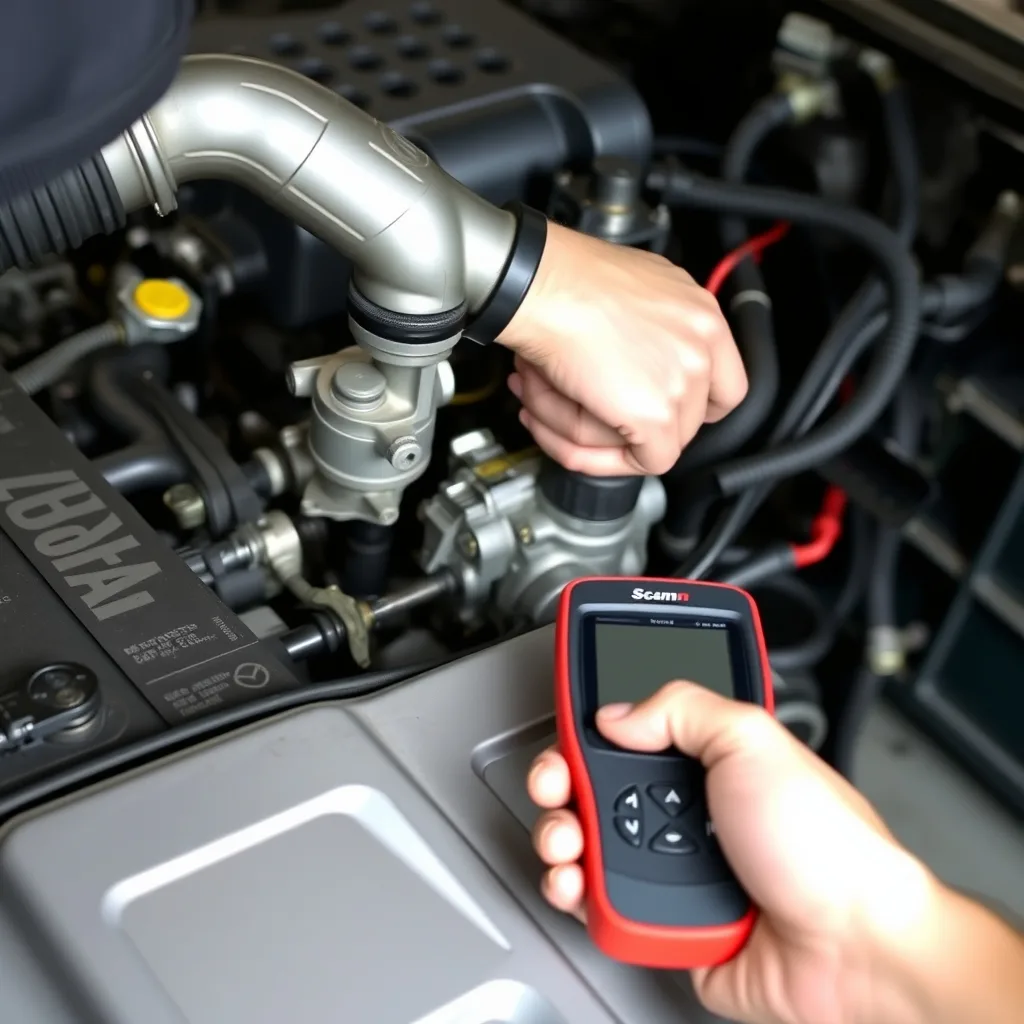
A Toyota Camry P0401 code means the engine computer detected insufficient exhaust gas recirculation flow. On 1997–2001 Camry models, the cause is often a carbon-clogged EGR passage or a sticking valve. This guide explains the tests that find the fault without replacing parts at random.
What P0401 Means
The EGR system sends a small amount of exhaust gas back into the intake to lower combustion temperature and reduce nitrogen oxides. P0401 sets when the computer does not see the expected flow.
A Toyota Camry P0401 does not automatically mean the EGR valve is bad. A clogged passage, a cracked hose, or a faulty sensor can produce the same code. Diagnose before buying parts.
On the 1997–2001 Camry, the EGR system is relatively simple, which makes a methodical test practical. A scan tool that can show EGR data helps confirm the repair.
Common Causes on the Camry
Carbon buildup in the intake and EGR ports is the most common cause on older Camrys. A stuck EGR valve, a leaking vacuum line, or a failed EGR temperature sensor can also trigger the code.
A dirty throttle body and a weak vacuum source can contribute. Inspect the whole system rather than focusing only on the valve. The EPA OBD page explains how onboard diagnostics monitor emissions systems.
Carbon is the most likely culprit on a high-mileage Camry. A Toyota Camry P0401 that returns after cleaning usually points to a valve or sensor that was not replaced.
Step 1: Check Vacuum Lines
Inspect the vacuum hoses for cracks, soft spots, and disconnected ends. A leak can prevent the EGR valve from opening even when the computer commands it.
Use a vacuum gauge or a hand pump to test the diaphragm. If the valve does not hold vacuum, replace it. Fix any broken hose before moving on.
A vacuum leak can be intermittent, so move the hoses while the engine idles and watch for a change. Replace brittle lines rather than taping them.
Step 2: Test the EGR Valve
Apply vacuum to the valve and watch the pintle or diaphragm move. With the engine idling, opening the valve should make the engine stumble or nearly stall.
If nothing changes, the passage may be clogged or the valve may not be opening. Remove the valve and inspect the pintle and seat for carbon.
If the valve opens but the engine does not react, the passage is likely blocked. Remove the valve and clean the port before condemning the valve.
Step 3: Inspect the EGR Passages
Remove the EGR valve and look into the intake port. Carbon often blocks the passage so completely that no flow is possible. Use a wire brush and carburetor cleaner to clear it.
Be careful not to push carbon into the intake. Follow the service procedure and replace gaskets as needed. A full car service can include an inspection if you do not want to do this yourself.
A blocked passage can be cleared with a flexible brush and cleaner, but avoid scraping the aluminum. Follow the gasket and torque procedure when reinstalling.
Step 4: Check the Sensor and Wiring
The EGR temperature sensor or differential pressure sensor tells the computer whether flow is occurring. Check the connector, wiring, and signal with a scan tool.
A sensor that reads wrong can set P0401 even when the valve works. Compare live data with the specification before replacing it.
A sensor that reads out of range can set the code even after the passages are clean. Check the connector and the reference voltage before replacing the sensor.
Step 5: Clear and Retest
After repairing the fault, clear the code and drive the car through the required monitors. P0401 may not reset immediately because the test runs under specific conditions.
If the code returns, recheck the passages and the valve operation. Do not clear the code repeatedly without fixing the cause. A good auto repair mechanic can run the monitor and confirm the repair.
The monitor may need a specific fuel level and driving cycle to run. A Toyota Camry P0401 that returns after a short drive may need more time before it is considered repaired.
Repair Cost and Options
Cleaning the passages may cost $100 to $250 in labor, while a new EGR valve can add $150 to $350 in parts. Dealer prices are higher.
A used valve is rarely a good value on an old car unless it tests correctly. Cleaning is often the better first step if the valve itself is functional.
Cleaning is often enough, but a valve with a torn diaphragm must be replaced. Compare the cost of a new valve with the labor to remove it twice.
When to See a Professional
See a professional if the code returns after cleaning, if the engine runs poorly, or if you are not comfortable removing intake parts. A misdiagnosis can cost more than the repair.
Tell the shop what tests you have already done. That saves diagnostic time and helps them focus on the remaining possibilities.
If the code persists after the basic tests, a professional with factory data can compare the live values. Do not keep clearing a Toyota Camry P0401 without a diagnosis.
Bottom Line on Toyota Camry P0401
A Toyota Camry P0401 is usually a flow problem, not an automatic death sentence for the EGR valve. Check the vacuum lines, test the valve, and clean the passages before replacing parts.
If the Toyota Camry P0401 returns after cleaning, recheck the sensor and the wiring. A scan tool with live EGR data makes the next step much clearer.
Repair the Toyota Camry P0401 promptly to restore emissions performance and avoid carbon-related drivability issues. A methodical diagnosis is cheaper than guessing.
Quick Checklist
- Inspect vacuum hoses for cracks.
- Test the EGR valve with vacuum.
- Clean the intake passages.
- Clear the code and complete a drive cycle.
A Toyota Camry P0401 that returns after a repair usually means a test was skipped. Recheck the vacuum source and the passage with the valve removed. The Toyota Camry P0401 monitor may need a full drive cycle before it runs again, so give it time before assuming the repair failed.
Can I drive with a P0401 code?
The car may drive normally, but the code means the emissions system is not working. Long-term driving can cause carbon buildup and affect fuel economy. Repair it promptly.
Does P0401 always mean a bad EGR valve?
No. Clogged passages, vacuum leaks, and sensor faults are common causes. Test the system before replacing the valve.
How much does a Toyota Camry P0401 repair cost?
Cleaning the EGR passages often costs $100 to $250. A new valve can add $150 to $350 in parts. Diagnosis and labor vary by shop.

Punta Dewa is a senior automotive writer at Daily Car Care specializing in OEM repair procedures and cost-transparent maintenance. 6+ years, 150+ guides. Method: OEM manuals, TSB/recall database, and owner data. Author of 1,573 car-care guides since 2022.