
Table of Contents
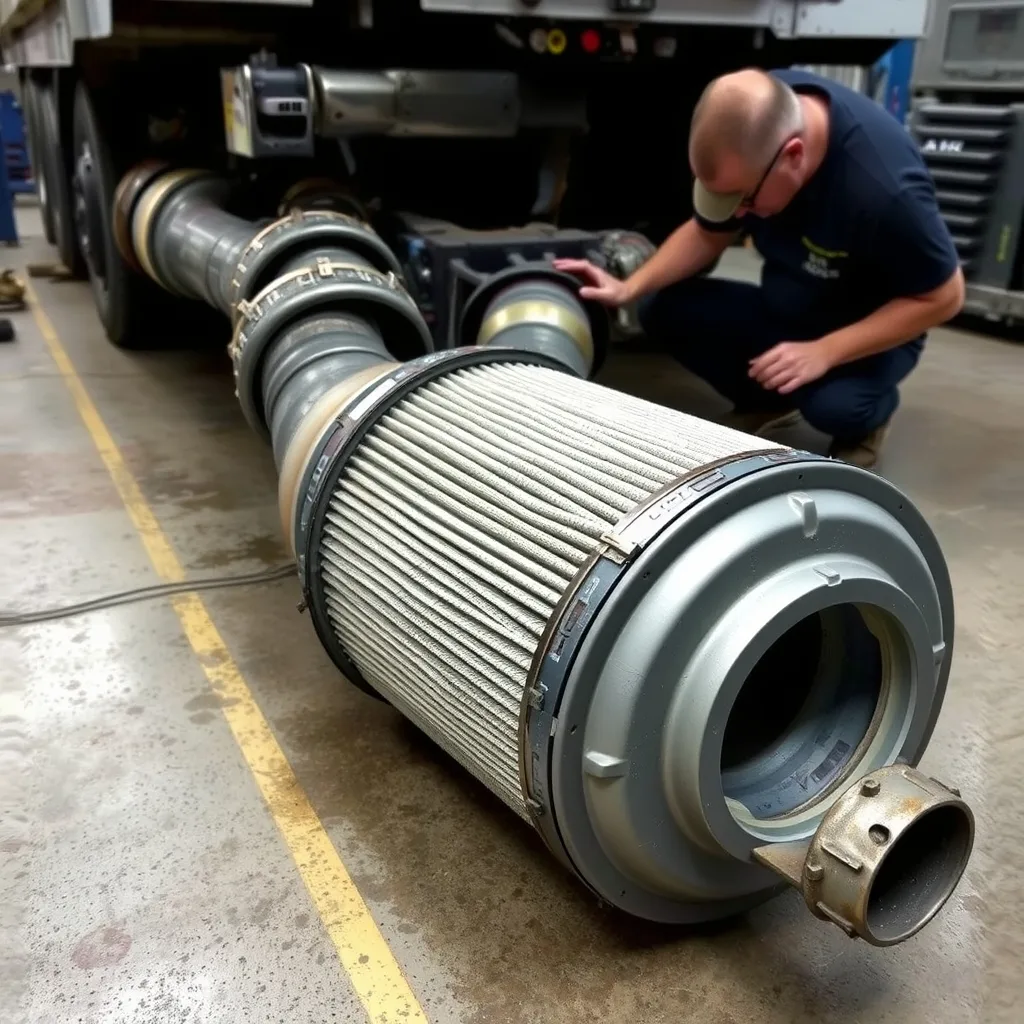
A diesel DPF traps soot from the exhaust and burns it off during regeneration. When that process fails, the filter clogs, power drops, and a warning light appears. This guide explains why diesel DPF problems happen and how to fix them before the filter is ruined.
What a Diesel DPF Does
The diesel particulate filter captures soot that would otherwise leave the tailpipe. It is part of the emissions system on modern diesel cars and trucks.
The filter must regenerate to burn the collected soot. That happens automatically at highway temperature, or with a forced service regeneration when conditions allow.
Diesel DPF systems are designed for vehicles that spend time at highway speed. A truck used only for short deliveries may need a different maintenance plan.
How Regeneration Works
During regeneration, the engine raises exhaust temperature and injects fuel to burn the soot. Passive regeneration happens during normal highway driving, while active regeneration is triggered by the computer.
Short trips and heavy idling keep exhaust temperatures low, so the filter cannot clean itself. Over time, soot and ash build up and restrict flow.
Regeneration can be interrupted by a short trip or a shutdown. If the process starts, let it finish before turning off the engine whenever it is safe to do so.
Cause 1: Short Trips and City Driving
Frequent short trips are the most common cause of diesel DPF problems. The engine never reaches the temperature or duration needed for regeneration.
Take the car on a highway run periodically if your driving is mostly urban. Follow the owner’s manual for the recommended speed and duration.
A highway drive at a steady speed can help passive regeneration, but it will not fix a filter that is already overloaded. Follow the manufacturer’s procedure.
Cause 2: Wrong Engine Oil
Some oils produce more ash when they burn. Ash cannot be burned off during regeneration, so it stays in the filter permanently.
Use the low-ash oil specified for your engine. Do not substitute a generic diesel oil to save money. Ash buildup is irreversible.
Low-ash oil is critical because ash stays in the filter forever. A cheap oil that meets the wrong specification can shorten the life of a diesel DPF.
Cause 3: Fuel and Injection Problems
A leaking injector, a rich mixture, or excessive oil consumption increases soot. The filter fills faster than regeneration can clean it.
Fix fuel-system faults promptly. A check-engine light or rough running should be diagnosed before it damages the DPF. Our service guide explains why early repairs matter.
An injector that leaks or a turbo that burns oil increases soot and ash. Repair the cause before cleaning or replacing the filter.
Symptoms of a Clogged DPF
Symptoms include reduced power, a DPF warning light, frequent regeneration, and increased fuel consumption. In severe cases, the engine enters limp mode.
Do not ignore the warning. Driving with a heavily clogged filter can cause overheating and damage the turbo or engine.
A DPF warning light may be followed by a countdown to limp mode. Treat the warning as urgent and avoid high-load driving until it is diagnosed.
Cleaning vs Replacement
A professional cleaning can remove soot and some ash, but it cannot restore a cracked or melted filter. Replacement is required when the substrate is damaged.
Cleaning is usually cheaper than replacement, but it is not a permanent fix if the underlying driving pattern does not change. Ask for a before-and-after pressure test.
Cleaning can restore flow if the filter is soot-loaded, but a cracked or melted substrate cannot be repaired. Ask for a pressure test before and after.
Cost and Prevention
A DPF replacement can cost $1,500 to $4,000, while cleaning may cost $300 to $800. The exact price depends on the vehicle and access.
Prevention is cheaper: use the correct oil, avoid short trips, and let regeneration finish. Never interrupt a regeneration cycle by shutting off the engine. The EPA diesel program explains the emissions rules behind this equipment.
Prevention includes the right oil, avoiding short trips, and fixing engine faults early. A diesel DPF that is maintained correctly can last the life of the vehicle.
When to See a Diesel Specialist
See a specialist if the warning light returns after a regeneration, if power is limited, or if there is white or black smoke. A dealer-level scan tool can read the filter pressure and ash load.
A qualified mechanic can distinguish a sensor fault from a clogged filter. Do not replace the DPF before confirming the diagnosis.
A specialist can read the soot mass and ash load with a scan tool. That data helps decide between a forced regeneration, cleaning, and replacement.
Bottom Line on Diesel DPF Problems
Most diesel DPF problems come from short trips, wrong oil, or an engine fault that increases soot. Fix the cause before cleaning or replacing the filter.
A diesel DPF needs heat and time to regenerate. If your driving is mostly urban, plan periodic highway runs and follow the owner’s manual.
Act on a diesel DPF warning light early. A forced regeneration or cleaning is far cheaper than a new filter, and the right oil protects the system for the long term.
Quick Checklist
- Use low-ash oil.
- Avoid repeated short trips.
- Let regeneration finish.
- Repair injector and turbo faults early.
If the diesel DPF warning returns soon after a regeneration, the filter may be ash-loaded rather than soot-loaded. Ash cannot be burned off, so cleaning or replacement is the next step.
Use the manufacturer’s oil specification and change it on time. Oil that is wrong for a diesel emissions system can increase ash and shorten filter life.
If the car is mostly used for short trips, consider a periodic highway drive. It is not a cure, but it helps the filter regenerate.
Keep the service records for oil and emissions work. They help a specialist judge whether the filter failed from neglect or a mechanical fault. A filter that is cracked or melted cannot be cleaned and must be replaced.
Can I clean a DPF myself?
Some products claim to clean a DPF, but the filter must reach high temperature and the ash must be removed. A professional cleaning is safer and more effective.
How long does a diesel DPF last?
Many filters last 100,000 miles or more with the right oil and driving habits. Short trips and ignored warnings shorten that life.
What happens if I ignore a DPF warning light?
The filter can clog further, power can be limited, and the filter may need replacement. The repair becomes more expensive the longer you wait.

Punta Dewa is a senior automotive writer at Daily Car Care specializing in OEM repair procedures and cost-transparent maintenance. 6+ years, 150+ guides. Method: OEM manuals, TSB/recall database, and owner data. Author of 1,573 car-care guides since 2022.