
Table of Contents
A used car inspection checklist helps you decide whether a vehicle deserves a second look. It does not replace a mechanic, but it can stop you from paying for a pre-purchase inspection on a car with obvious problems.
Use this used car inspection checklist in order: paperwork, exterior, engine bay, interior, tires, brakes, and underbody. Bring a flashlight, a rag, and a magnet. If the seller refuses any check, treat that as a warning.
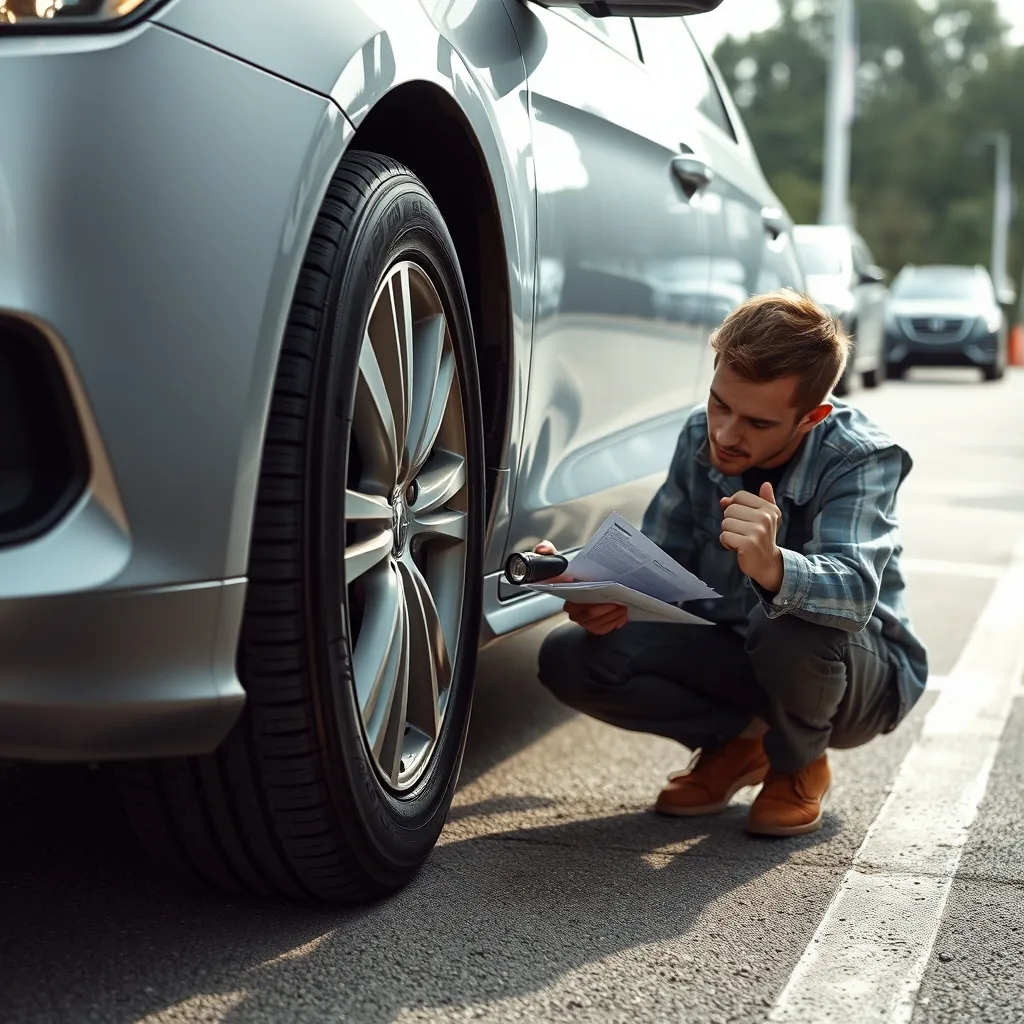
Used Car Inspection Checklist: What to Check Before Buying
The best used car inspection checklist starts before you touch the car. Ask for the title, the registration, and the maintenance records. Check that the seller’s name matches the title and that the VIN on the dashboard matches the paperwork.
A vehicle history report can reveal accidents, title brands, odometer problems, and open recalls. It is not proof that a car is healthy. Treat the report as a list of questions, not a clean bill of health.
Before You Leave: Paperwork and History
Look for a salvage or rebuilt title, a lien, or an inconsistent ownership story. A lien means another party may have a claim on the car. Ask for a lien release before money changes hands.
Check the mileage on the title, the inspection form, and the odometer. Uneven wear on the pedals or steering wheel can conflict with a low mileage claim. Photos of the car at earlier sales can also help.
Ask when the timing belt, water pump, and major service were done. Records are more useful than verbal promises. If the seller says “it was all done,” ask for receipts. A used car inspection checklist should include the history, not only the visible parts.
Exterior Walkaround
Walk around the car in daylight and look down each panel line. Gaps that are uneven can suggest a repair. Use a magnet on steel panels to check for body filler; a weak pull can indicate filler or a replaced panel.
Look for paint that does not match in direct light. Check the edges of doors, the hood, and the trunk for overspray. Fresh paint on one panel is not automatically bad, but it deserves a question.
Inspect the windshield for chips and cracks. Look at the lights for moisture, cracks, or mismatched lenses. A cheap replacement may hide a bigger front-end repair.
Open and close every door, the hood, and the trunk. Listen for a consistent latch sound. A door that drops or rubs can point to hinge or frame damage.
Engine Bay
Start with the engine cold. A warm engine can hide a rough idle, a leak, or a hard start. Ask the seller not to warm the car before you arrive.
Check the oil on the dipstick. Dirty oil is not a deal-breaker, but a milky color or a burned smell needs attention. Look at the coolant only when the engine is cool; never open a hot radiator cap.
Look for fresh leaks under the engine, around the valve cover, and at the hose connections. A small seep can be cheap; a wet timing cover or a leaking head gasket can be expensive.
Check the belts for cracks and the hoses for soft spots. Look at the battery terminals for heavy corrosion. These are simple items, but they tell you how the car was maintained.
Interior
Sit in every seat and check the seat belts. Pull each belt out fully and look for fraying or a cut. A belt that does not retract smoothly may need service.
Turn on the ignition without starting the engine. All warning lights should illuminate briefly, then go out. A light that stays on is a clue, not a diagnosis.
Test every switch: windows, mirrors, lights, wipers, horn, and air conditioning. Run the AC on its coldest setting and check that the air is cold within a few minutes.
Look for water stains under the mats and along the headliner. A musty smell can point to a leak. Check the spare tire well for rust or standing water.
Tires and Brakes
Check the tire date codes on all four tires, including the spare. A tire can look new and still be old. Look for uneven wear across the tread, which can signal an alignment or suspension problem.
Run a coin or a tread gauge across the grooves. Replace tires are a real cost, so price them before you negotiate. Check that all four tires match in size and type.
Look at the brake rotors through the wheel spokes. Deep grooves or a heavy lip can mean the brakes are near the end of their life. Do not judge the brakes by the pedal alone; a test drive is a separate step.
Underbody
Use a safe lift or ramps, never a jack alone. If you cannot inspect the underside safely, ask a mechanic to do it. Look for rust on the frame, the floor pans, and the suspension mounts.
Check for fresh undercoating that may hide rust. Look at the exhaust for holes and temporary patches. A patch is not proof of a bad car, but it is a negotiating point.
Look for fluid leaks at the transmission, differential, and brake lines. Check the CV boots for tears and grease. A torn boot can lead to a failed joint if it is ignored.
When to Pay for a Pre-Purchase Inspection
A pre-purchase inspection is worth paying for when the car passes your basic checks. A good mechanic can put the car on a lift, scan the computer, and check the systems you cannot see.
Ask for a written report with photos and compression or leak-down results if relevant. Expect to pay for the inspection; a free inspection from the seller is not independent.
Use the report to negotiate or walk away. A used car inspection checklist is a filter, not a guarantee. Even a clean report does not cover every future failure.
Printable Checklist
- Title, VIN, lien, and seller ID match.
- History report reviewed; open recalls noted.
- Panel gaps, paint, glass, and lights checked.
- Engine cold start, fluids, belts, and leaks checked.
- Seat belts, warning lights, switches, and AC tested.
- Tire dates, tread, and brake rotors checked.
- Frame, exhaust, and fluid lines checked on a lift.
- PPI booked before payment.
Red Flags That Should End the Visit
A seller who will not provide a title, a VIN, or a cold start is a red flag. So is a car that is already warm when you arrive, or a seller who insists on cash before an inspection.
Fresh paint on one side, mismatched panels, or a strong smell of masking agent can suggest hidden damage. Rust on the frame is a different category from surface rust on a fender.
If the story changes more than once, slow down. A used car inspection checklist cannot fix a dishonest sale. Walk away when the paperwork or the answers do not line up.
What This Checklist Does Not Cover
This used car inspection checklist does not replace a test drive, a mechanic’s lift inspection, or a scan tool. It also cannot confirm the health of a transmission or an engine’s internal condition.
For a deeper look at a specific model, see this Chevrolet Silverado 1500 guide. For maintenance costs after purchase, use this full car service cost guide.
If you are comparing a used truck with a review vehicle, this Silverado ZR2 review shows what to look at beyond the checklist. The Consumer Reports used-car checklist is another independent reference.
How to Read the Checklist
A used car inspection checklist is a decision tool, not a scorecard. Mark each item as pass, question, or fail. A single fail on a safety item is enough to pause; several small questions may simply lower your offer.
Take photos of anything you flag. A photo of a leak, a tire date code, or a panel gap is easier to discuss with a mechanic than a memory. Add the date and location to each photo. A used car inspection checklist becomes more useful when the evidence is easy to share.
What to Bring to the Inspection
Bring a flashlight, a rag, a tire gauge, and a magnet. A phone with a camera is enough for most records. Wear clothes you can kneel in, but do not crawl under a car supported only by a jack. The right tools make a used car inspection checklist easier to follow.
Print or save this used car inspection checklist before you leave. A written list keeps the visit calm and makes it harder to skip a step when you like the car.
Odometer and Wear
Compare the odometer with the wear items you can see. A car with low mileage should not have a worn-out driver’s seat, a shiny brake pedal, or a steering wheel with deep grooves.
Check the service records for a mileage pattern. A gap of several years is not proof of fraud, but it deserves a question. A used car inspection checklist should include the story behind the numbers, not just the numbers.
Rust: Surface vs. Structural
Surface rust on a fender or an exhaust bracket is common in older cars. Rust that bubbles through a frame rail, a floor pan, or a suspension mount is a structural concern. Sort the rust before you add it to your used car inspection checklist.
Tap lightly with a screwdriver handle, not a sharp tool. If the metal sounds thin or crumbles, stop. A used car inspection checklist cannot measure how much metal is left; a mechanic with a lift can.
When the Seller Refuses a Check
A seller may refuse a test drive or a mechanic’s inspection for a legitimate reason, such as insurance rules. A blanket refusal to let you check the VIN or the fluids is different.
Ask why, and offer a compromise such as a nearby shop or a scheduled appointment. If the answer is still no, walk away. A used car inspection checklist only works when the seller allows the checks.
Used Car Inspection Checklist for Trucks and SUVs
Trucks and SUVs need extra attention to the frame, the hitch, and the rear suspension. Check for cracks around the hitch mounting points and look for uneven tire wear on the rear axle.
Open the tailgate and check the bed for heavy corrosion. Look for signs of off-road damage, such as bent skid plates or packed mud in places that are hard to clean. A used car inspection checklist for a truck should include the parts that do the heavy work.
A 30-Minute Walkaround
Spend ten minutes on paperwork and history, ten on the exterior, and ten on fluids, tires, and the interior. Leave the underbody and the test drive for a second visit with a mechanic.
This used car inspection checklist is not a race. A slow, consistent walkaround is more useful than a fast check of everything. If you find a serious issue, stop and save the inspection fee. The goal is a clear decision, not a completed page.
Using the Findings to Negotiate
Price the repairs before you make an offer. A set of tires, a timing belt, or a brake job has a real cost. Ask a local shop for a rough quote, then subtract a reasonable amount from your offer.
Do not use a used car inspection checklist as a weapon. Present the findings, ask for the maintenance record, and agree on a number. A calm conversation is more likely to produce a deal than a list of insults.
Frequently Asked Questions
How much does a used car inspection cost?
A pre-purchase inspection usually costs a shop’s diagnostic fee, which varies by region and vehicle. Ask what the report includes, whether it covers a lift inspection and scan tool check, and whether the price changes for a truck or luxury car.
Can I inspect a used car without a mechanic?
You can check paperwork, fluids, tires, lights, and visible damage. You cannot safely inspect the frame, brakes, or computer systems without a lift and tools. Use your check to decide whether a paid inspection is worthwhile.
Should I buy a car with a rebuilt title?
A rebuilt title means the car was previously declared a total loss and later repaired. It can be legal to sell, but resale value and insurance can be affected. Have it inspected and check financing and insurance rules before you buy.
Use this used car inspection checklist as a filter, then pay for a professional inspection before you sign. A careful hour with a flashlight can save you from a much more expensive mistake.
Punta Dewa is a senior automotive writer at Daily Car Care specializing in OEM repair procedures and cost-transparent maintenance. 6+ years, 150+ guides. Method: OEM manuals, TSB/recall database, and owner data. Author of 1,573 car-care guides since 2022.