
Table of Contents
A car maintenance schedule is the cheapest insurance your vehicle will ever have. Most breakdowns and repair bills that surprise drivers are not random failures; they are missed intervals stacking up. This guide gives you a working schedule organized by time and mileage, explains which services are genuinely required and which are dealer upsells, and shows how to keep records that protect your warranty and resale value.
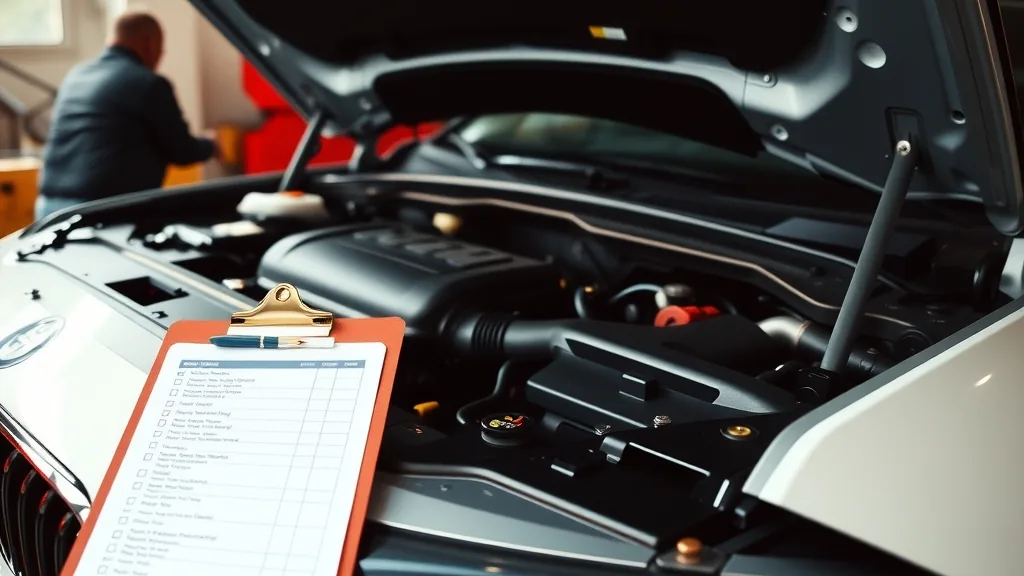
The schedule below fits most gasoline cars and light SUVs built in the last fifteen years. Diesel, hybrid, and performance models have different fluid specifications, so always check the owner’s manual for the interval that overrides the general guidance here.
Why Interval-Based Maintenance Still Wins
Modern engines tolerate neglect better than the engines of the 1990s, but the parts around them do not. Oil degrades, brake fluid absorbs moisture, coolant chemistry shifts, and rubber belts age whether or not you drive. A schedule converts those slow changes into predictable, budgetable tasks instead of emergency repairs.
Manufacturers publish two schedules: “normal” and “severe.” If your driving is mostly short trips, stop-and-go traffic, dusty roads, extreme heat or cold, or frequent towing, you are on the severe schedule and should shorten oil and filter intervals by roughly a third. Most urban drivers qualify as severe without realizing it.
The Core Schedule by Mileage
| Interval | What to do | Why it matters |
|---|---|---|
| Monthly | Tire pressure and tread check, all exterior lights, washer fluid, oil level | Catches slow leaks and bulb failures before a ticket or a blowout |
| Every 6 months or 8,000 km | Oil and filter change (severe schedule), tire rotation, brake inspection | Oil is the cheapest protection against engine wear |
| Every 12 months | Cabin and engine air filters, wiper blades, battery test, underbody inspection | Filters and blades degrade with seasons, not mileage |
| 30,000 km | Brake fluid, coolant check, spark plugs on some engines, alignment check | Brake fluid absorbs water and lowers boiling point |
| 60,000 km | Transmission fluid, spark plugs, serpentine belt inspection, coolant service | Ignition and cooling faults are the top cause of roadside stops |
| 100,000 km | Timing belt (if equipped), water pump with belt, suspension bushings, oxygen sensors | Prevents the single most expensive preventable engine failure |
Treat the table as a spine, not a cage. If a mechanic finds a leaking seal at 45,000 km, fix it then; the schedule is a floor, not a ceiling. If you drive fewer than 10,000 km a year, follow the time intervals rather than waiting to reach the mileage.
Fluids: The Part Most Drivers Underestimate
Fluids are where a maintenance schedule pays for itself. Engine oil is obvious, but the others are quietly decisive.
- Brake fluid is hygroscopic: it pulls moisture from the air. After two or three years the water content can boil under hard braking and give you a soft, long pedal. Replace it every two years regardless of mileage.
- Coolant protects against freezing, boiling, and corrosion. Old coolant turns acidic and eats water pump seals and radiator cores. Follow the manual’s type exactly; mixing chemistries creates sludge.
- Transmission fluid carries heat and clutch material. A “lifetime fill” means lifetime of the warranty, not lifetime of the car. A drain and fill around 60,000 km is cheap compared with a rebuilt gearbox.
- Differential and transfer case oil matters on all-wheel-drive vehicles. It is often skipped because it is out of sight.
If you want the sequencing that shops use, our preventive maintenance checklist breaks these jobs into a single Saturday morning, and the basic car service guide explains what each service actually includes.
Tires, Brakes, and Suspension
These three systems decide how the car behaves in an emergency, so they get inspected rather than simply replaced on a calendar.
Tires: check pressure cold, once a month, including the spare. Rotate every 8,000 to 10,000 km to even out wear. Replace at 3 mm tread in wet climates, 1.6 mm legal minimum is not a safety target. Look for the DOT date code; tires older than six years should be replaced even with good tread, because rubber hardens.
Brakes: pads typically last 30,000 to 60,000 km depending on driving. Squealing, a soft pedal, or a pull to one side means inspect now. Replace fluid on schedule even if the pads are fine.
Suspension: worn shocks show up as uneven tire wear, nose dive under braking, and a floaty feel over bumps. Inspect bushings and struts at 100,000 km.
What You Can Safely Skip
Dealer service menus often bundle profitable extras. These are usually optional unless the manual names them:
- Engine flushes and “detox” additives on a car that already gets regular oil changes.
- Fuel injector cleaning at low mileage with no drivability symptom.
- Premium air filters marketed as performance parts on a stock engine.
- Wiper blade replacements priced at three times the parts store equivalent.
Declining them is not neglect. Spending that money on brake fluid, coolant, and transmission service is real maintenance.
Keep Records That Actually Help
Log every service with date, mileage, and invoice. Three reasons: a warranty claim needs proof of maintenance, a buyer pays more for a documented car, and you stop double-paying for work already done. A folder of receipts in the glovebox works; a spreadsheet with reminders works better.
If you plan to do the work yourself, the maintenance and repair manual guide covers torque specs, jack points, and the jobs that are safer left to a lift.
Seasonal Add-Ons
Twice a year, adjust the schedule to the season. Before winter: test the battery, check coolant strength, swap to winter-rated washer fluid, and inspect wiper blades. Before summer: check the cooling fan, A/C performance, and tire pressure, which rises with heat. These ten-minute checks prevent the two most common seasonal failures: a no-start in January and an overheated engine in July.
How to Budget for It
Set aside a monthly figure rather than reacting to invoices. A reasonable planning number for a mid-size gasoline car is roughly one to two percent of the vehicle’s value per year in maintenance, plus tires every four to five years. That covers oil services, filters, fluids, brakes, and one unexpected repair. Cars over 150,000 km trend toward the higher end.
When a shop quotes a big job, ask for the failure evidence: a measurement, a photo, or a test result. Legitimate shops will show you. A schedule plus evidence is how you avoid both breakdowns and unnecessary bills.
How often should I change my oil?
Follow the severe schedule if you mostly drive short trips or city traffic: about every 8,000 km or 6 months. Otherwise follow the manual, which is often 12,000 to 16,000 km or 12 months with the specified synthetic oil.
Is a dealer maintenance schedule different from the manual?
The required items come from the manual. Dealers add optional flushes and additives. Ask for the manual’s list in writing and compare line by line.
Can I skip the 30,000 km service?
You can delay some items, but brake fluid and filters should not wait. Brake fluid absorbs moisture with age and reduces braking performance under heat.
Does maintenance records really affect resale value?
Yes. A documented history is one of the few verifiable signals a used buyer has, and it usually supports a higher asking price than an identical car with no paperwork.

Punta Dewa is a senior automotive writer at Daily Car Care specializing in OEM repair procedures and cost-transparent maintenance. 6+ years, 150+ guides. Method: OEM manuals, TSB/recall database, and owner data. Author of 1,573 car-care guides since 2022.