
Table of Contents
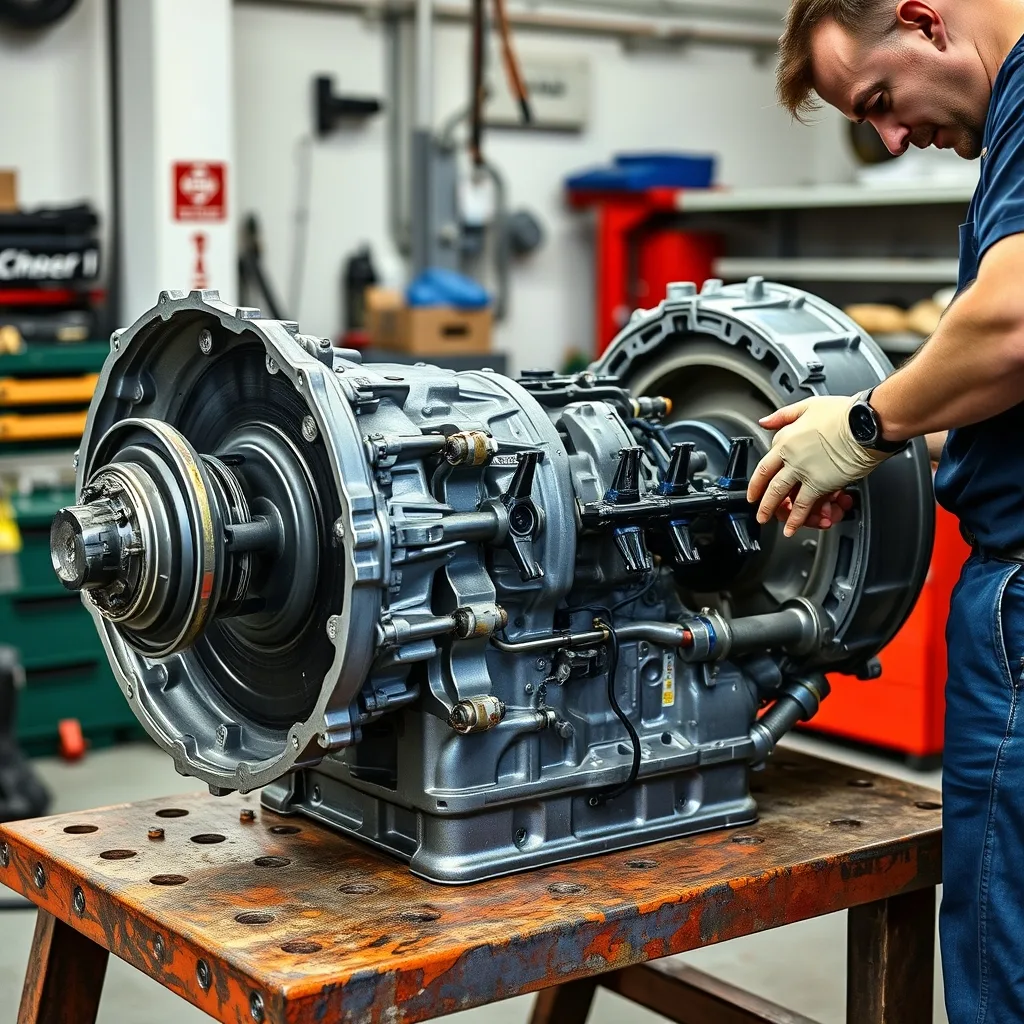
Automatic transmission problems often begin as small changes in how the car shifts. A delayed engagement, a shudder, or a slipping gear can point to fluid, pressure, or internal wear. This guide explains the common symptoms and the checks that help you act before a rebuild.
Slipping Between Gears
Slipping feels like the engine revs without the car accelerating. It can happen on one gear or between shifts. Low fluid, worn clutches, or a pressure problem are common causes.
Stop driving if the transmission slips badly. Continued slipping can overheat the fluid and turn a repair into a rebuild.
Automatic transmission problems can be caused by low fluid from a leak, so check the level and the pan for residue. A burned smell is a sign of overheating.
Delayed or Harsh Shifts
A delay when you select drive or reverse can indicate low fluid, a sticking valve, or a failing solenoid. Harsh shifts can also result from a pressure fault.
Check the fluid level and condition first. A burned smell or dark fluid suggests overheating. Use the specified fluid for the make and model.
A delayed shift when cold may be normal on some cars, but a delay when warm deserves a check. Mention the temperature to the technician.
Shudder and Vibration
A shudder during light acceleration often points to torque-converter clutch shudder. It can feel like driving over rumble strips.
Some vehicles have a service bulletin and a fluid update for this issue. A scan tool and a road test can confirm the cause.
A shudder that appears at a specific speed can be a converter or an engine misfire. A road test with a scan tool helps separate the two.
Transmission Warning Light
A warning light means the computer has detected a fault in the transmission or its controls. It may also put the car in limp mode.
Read the codes before clearing them. A speed sensor fault can feel like a major transmission failure but be much cheaper to fix.
A warning light may be accompanied by a stored code that points to a sensor rather than the transmission itself. Read the codes before authorizing a rebuild.
Fluid Leaks and Overheating
A leak reduces pressure and can cause slipping. A transmission that overheats can damage seals and clutches quickly.
Find the leak instead of topping up repeatedly. Check the cooler lines and pan gasket. Our service guide explains why early repairs save money.
A leak at the cooler line can spray fluid onto a hot exhaust, which is a fire risk. Stop driving if you smell transmission fluid after a repair.
Strange Noises
Whining, humming, or clunking can point to bearing wear, low fluid, or a mounting problem. A noise that changes with speed is a reason to inspect the transmission and driveline.
Do not mask the noise with a fluid additive. Additives can make the problem worse and complicate a later repair.
A whine that follows engine speed can be a pump or bearing, while a whine that follows road speed may be a final drive. The location helps the diagnosis.
Limp Mode
Limp mode limits the car to a safe speed and gear. It is designed to protect the transmission when a fault is detected.
Do not drive long distances in limp mode. Have the codes read and the cause diagnosed. A qualified mechanic can check pressure and live data.
Limp mode is a protection strategy, not a repair. Driving in limp mode for a long distance can cause additional damage.
What to Check Before a Rebuild
Check the fluid level and condition, read the codes, and inspect the wiring and connectors. A fluid and filter service may fix a minor issue.
A rebuild is expensive, so get a second opinion if the diagnosis is based only on a code. The California BAR consumer guide explains your rights at a repair shop.
A fluid and filter service is worth trying on a high-mileage car only if the fluid is not badly burned. A transmission that is already slipping may worsen.
Preventing Automatic Transmission Problems
Follow the fluid interval and use the correct specification. Avoid heavy towing without a cooler, and do not shift from drive to reverse while the car is still moving.
Fix engine overheating and coolant leaks promptly. Heat is one of the biggest causes of automatic transmission problems.
Prevention includes the correct fluid, a cooler for towing, and prompt attention to leaks. Automatic transmission problems are cheaper to fix early.
Bottom Line on Automatic Transmission Problems
Automatic transmission problems are easier to fix when you act on the first symptom. Check the fluid, read the codes, and get a road test before approving a rebuild.
Many automatic transmission problems start with low fluid, a sensor, or a pressure fault. A methodical diagnosis can save thousands compared with replacing the transmission.
Keep the fluid and cooling system healthy, and address leaks early. Automatic transmission problems rarely improve on their own, so do not delay the inspection.
Quick Checklist
- Check fluid level and condition.
- Read transmission codes.
- Road-test with a scan tool.
- Get a second opinion before a rebuild.
If the fluid is dark but not burned, a service may still help. If it smells burned or contains debris, a rebuild is more likely. Do not let a cheap fluid change delay a needed automatic transmission problems diagnosis.
A second shop can confirm the pressure readings and the code history. That second opinion is valuable when the first estimate recommends a full replacement.
Keep a note of when the automatic transmission problems first appeared and whether they change with temperature. That detail helps a technician reproduce the fault and choose the right test.
Do not add a mystery additive to a transmission that is already slipping. It can change the fluid behavior and make the diagnosis harder.
Check the owner’s manual for the fluid type and interval. Using the wrong fluid can cause shift problems that look like a mechanical failure. A transmission that is low on fluid can also overheat, so check the level before a long drive.
Can I drive with a slipping transmission?
Only to a safe place. Slipping can overheat the fluid and cause internal damage. Have it checked before driving further.
Does changing transmission fluid fix slipping?
Sometimes, if the problem is low or degraded fluid. If the clutches are worn, a fluid change will not repair the damage.
How much does a transmission rebuild cost?
A rebuild often costs $3,000 to $8,000, depending on the model and damage. A used transmission may be cheaper but carries risk.

Punta Dewa is a senior automotive writer at Daily Car Care specializing in OEM repair procedures and cost-transparent maintenance. 6+ years, 150+ guides. Method: OEM manuals, TSB/recall database, and owner data. Author of 1,573 car-care guides since 2022.