
Table of Contents
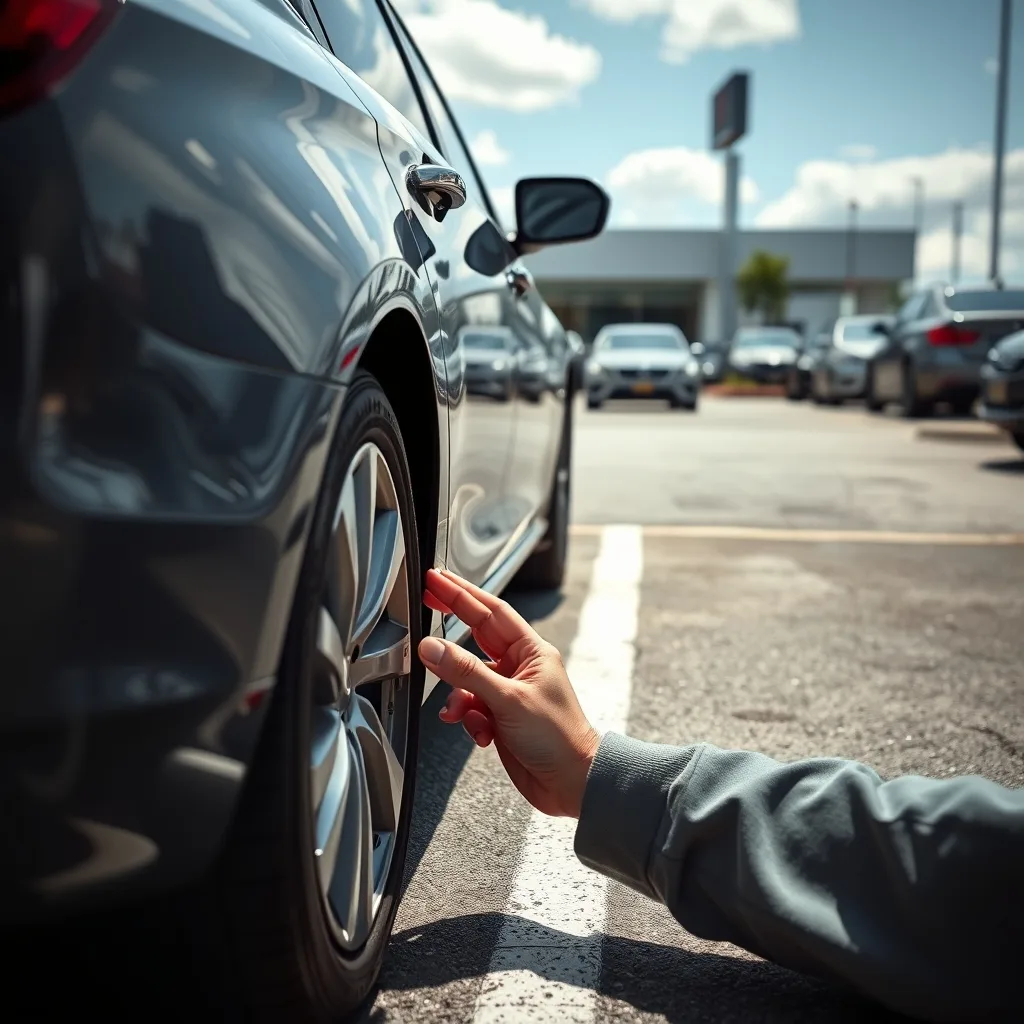
Car leasing and tires go together more than many drivers expect. A lease contract sets rules for tread depth, matching tires, and excess wear, and those rules can cost money at turn-in. This guide explains what to check before you sign and how to avoid tire charges at the end of a lease.
Who Owns the Tires on a Lease
The leasing company owns the car and its tires during the term. You are responsible for keeping them legal and in good condition, but you do not automatically own the replacements.
Normal wear is expected, but uneven wear, mismatched tires, or damage beyond the contract limits can trigger charges. Read the wear section before you drive off the lot.
Keep the original wheels and tires if you plan to upgrade. Returning the car with the original set can avoid disputes about fitment and appearance.
Normal Wear vs Excess Wear
Most leases define normal wear as even tread wear above a minimum depth. Excess wear includes cuts, bulges, sidewall damage, and uneven patterns from missed alignment.
A car leasing contract may also require all four tires to match in brand, size, and speed rating. Mixing brands can be treated as excess wear even if the tread is legal.
Photograph the tires at delivery and at return. A dated record helps if the inspector disagrees about when the damage happened.
Tread Depth and Lease Return
Many lease contracts require at least 4/32 inch of tread at return, and some require more. Check the depth across the tread, not just at one spot.
A tire that is close to the limit may fail the inspection even if it is still legal. Replace it before turn-in if the cost is lower than the excess wear charge.
Do not wait until the last week. Tire availability and appointment times can make a last-minute replacement expensive.
A tread depth gauge is cheap and takes the guesswork out of lease return. Measure the center and both edges of each tire. Record the numbers with the date so you can show normal wear if a charge appears.
Replacement Rules in the Contract
Some leases require replacement with the same brand and model; others allow an equivalent. Read the clause before buying a cheaper tire.
Keep receipts that show the tire size, load rating, speed rating, and installation date. A car leasing inspection may ask for proof of proper maintenance.
If you install winter tires, confirm that the lease allows them. Return the car with the correct seasonal set or the original all-season tires.
Matching Tires and Brands
Mismatched tires can affect handling and trigger a lease charge. Replace in pairs on the same axle, and ideally replace all four on an all-wheel-drive car.
A used tire with a different tread depth can cause drivetrain wear on AWD models. The lease inspector may check the tread depth across all four tires.
Ask the dealer whether a specific brand is required. A car leasing contract that names a brand leaves little room for a cheaper alternative.
Maintenance to Avoid Charges
Rotate the tires on schedule, keep the pressures at the door-jamb spec, and fix alignment after a hard impact. These steps keep wear even and documented.
A tire care guide explains rotation and pressure checks. A service record shows the lease company that you maintained the car.
Keep a small log of tire pressure, rotation, and repairs. It is useful evidence if a wear charge appears at turn-in.
Keep the alignment receipt and the rotation log with the lease paperwork. If a tire fails early, the records show whether it was a defect or neglect. Car leasing disputes are easier to settle with dates and photos.
What Happens at Turn-In
An inspector measures tread depth, checks for damage, and compares the tires with the contract. You may receive a report before the final bill.
If a charge is proposed, ask for the measurement and the contract clause. Some charges are negotiable if the wear is close to the limit.
You can often replace the tires after the inspection and before the final settlement. Ask about the deadline and whether the replacement must be documented.
Disputes and Inspections
Take photos of the tires, the tread depth gauge, and the mileage at return. A written inspection report should match what you saw.
If you disagree, request a second inspection or a copy of the lease wear guidelines. A car leasing dispute is easier to resolve with records than with memory.
Do not sign a final acceptance until you understand every charge. Ask for an itemized statement and keep a copy.
Smart Lease Habits
Choose a lease term that matches your driving and budget for tires as a wear item. A car leasing deal with a low payment can still be expensive if the tire rules are strict.
Ask about the wear standard before signing, and confirm whether the dealer offers a tire maintenance plan. The fueleconomy.gov maintenance guide has general tire and fuel-saving tips.
A little planning protects both the car and your wallet when the lease ends.
Ask the dealer for the lease wear guide at signing and keep it with the contract. A car leasing deal is easier to exit when you know the standards. Plan for tires as a cost of the lease, not a surprise, and review the car leasing rules before you sign.
Keep a copy of the lease contract and the wear guide in the glovebox. At return, compare the inspector numbers with your own measurements. If a charge seems wrong, ask for the clause and a second look before you pay.
Bottom Line on Car Leasing and Tires
Car leasing and tires can create surprise charges if you ignore the contract. Know the tread standard, keep the tires matched, and document the maintenance.
Replace worn tires before turn-in when it costs less than the excess wear fee. A few records and a little planning make the end of the lease much simpler.
Quick Checklist
- Read the lease wear guidelines.
- Measure tread across all four tires.
- Keep replacement receipts.
- Photograph the tires at return.
Who pays for new tires on a leased car?
The lessee normally pays for replacement tires, but the contract may require a specific brand and tread depth. Check the wear clause before buying.
Can I return a leased car with worn tires?
Only within the contract limit. Tires below the required tread depth or with uneven wear can trigger excess wear charges.
Do all four tires need to match on a lease?
Many leases require matching brand, size, and speed rating. Mismatched tires can be charged as excess wear even if they are legal.

Punta Dewa is a senior automotive writer at Daily Car Care specializing in OEM repair procedures and cost-transparent maintenance. 6+ years, 150+ guides. Method: OEM manuals, TSB/recall database, and owner data. Author of 1,573 car-care guides since 2022.