
Table of Contents
There’s a unique kind of serenity that comes from driving a car you can trust. The smooth hum of the engine, the effortless glide over the pavement, and the quiet assurance that your vehicle won’t surprise you with sudden failures. That sense of confidence doesn’t come from luck — it’s built through preventive car maintenance.
Every car, no matter how modern or durable, needs consistent care to remain reliable. Imagine two drivers: one who diligently follows a service schedule, and another who waits until something breaks. The first enjoys stress-free travels, fewer repair costs, and optimal performance. The second? Frequent breakdowns, mounting expenses, and unexpected downtime. The difference between them lies not in the make of the car, but in the attention it receives.
Routine care is more than just a checklist — it’s the art of foresight. It’s about anticipating wear before it turns into damage, investing minutes today to save hours tomorrow.
Understanding the Power of Preventive Care
In the realm of automotive health, it is the silent guardian of performance and longevity. It keeps engines purring, tires gripping, and brakes responding with precision. Think of it as the heartbeat of your car’s well-being.
Oil changes, for instance, are the lifeblood of your engine. Neglecting this simple routine can lead to sludge buildup, friction damage, and eventually, catastrophic engine failure. By contrast, a driver who embraces routine care ensures the engine remains cool, clean, and efficient — extending its life span by thousands of miles.
Similarly, regularly inspecting tire pressure and alignment not only enhances fuel efficiency but also safeguards against blowouts. It’s a subtle detail, but one that could mean the difference between a smooth drive and a dangerous roadside halt. Every aspect of routine care — from fluid checks to battery testing — plays a vital role in sustaining your vehicle’s vitality.
Real-World Comparisons That Drive the Point Home
Let’s compare two common approaches: reactive vs. preventive.
A reactive driver waits for warning lights to flash, noises to grow louder, or performance to dip before taking action. When the check engine light appears, it’s already too late — damage has begun. Repairs are often costly, and downtime is unavoidable.
A committed driver, however, doesn’t wait for warning signs. Routine inspections catch issues early, such as a worn belt or low coolant level. These small fixes prevent major failures. Over time, this proactive approach can save hundreds, if not thousands, in repair costs.
For example:
-
Ignoring a $30 oil change could lead to a $3,000 engine replacement.
-
Neglecting tire rotation may reduce tread life by 40%.
-
Overlooking brake fluid changes can result in premature wear of brake components.
It isn’t just smart — it’s economically powerful.
The Emotional Benefit of Preparedness
Confidence isn’t only about driving skill; it’s about readiness. With preventive car maintenance, you transform uncertainty into control. Every time you check a fluid, tighten a belt, or replace a filter, you’re not just maintaining metal — you’re protecting peace of mind.
There’s comfort in knowing your car will start on cold mornings, handle long trips with ease, and keep your loved ones safe. When you prioritize preventive car maintenance, you reduce anxiety about unforeseen issues. The road becomes a place of enjoyment rather than worry.
A well-maintained vehicle doesn’t just perform better — it feels better. It runs quieter, handles smoother, and responds faster. The connection between driver and car becomes seamless, like a well-practiced duet where every movement flows effortlessly.
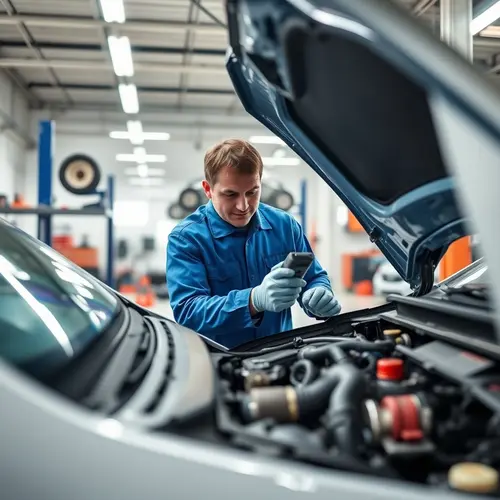
Key Pillars of Preventive Car Maintenance
To master preventive car maintenance, consistency is everything. Here are essential areas to focus on for peak vehicle health:
1. Engine Oil and Filters
Regular oil changes are non-negotiable. Clean oil reduces friction, keeps parts lubricated, and enhances performance. Don’t forget to replace the oil filter — it’s your engine’s first line of defense against debris.
2. Tire Health
Check pressure monthly. Rotate and balance every 10,000 kilometers. Proper tire care improves safety, extends lifespan, and maximizes fuel efficiency. Neglect this, and you’re literally letting money and safety slip away.
3. Brakes and Fluids
Brakes are your car’s most critical safety feature. Inspect pads, discs, and fluid levels routinely. A squealing brake isn’t just an annoyance — it’s a warning. Addressing it early through preventive car maintenance can prevent costly overhauls.
4. Battery and Electrical Systems
A weak battery doesn’t announce itself until your car refuses to start. Check terminals for corrosion and test voltage regularly. A few minutes of preventive inspection can spare you a call to roadside assistance.
5. Cooling and Transmission Systems
Your car’s cooling system regulates temperature. Replace coolant every two years to avoid overheating. Likewise, transmission fluid ensures smooth gear shifts — one of the most overlooked aspects of preventive car maintenance.
Comparing Professional and DIY Maintenance
Professional servicing offers precision and technology — diagnostic tools detect underlying issues you might overlook. However, combining expert care with simple at-home routines creates the perfect balance. Checking oil levels, topping up fluids, or cleaning air filters are tasks any driver can learn.
Those who blend professional insight with hands-on preventive car maintenance achieve optimal results. It’s similar to visiting a doctor for annual checkups while maintaining healthy habits daily. One sustains, the other strengthens.
The Long-Term Rewards
Consistent preventive car maintenance is more than a duty; it’s a long-term investment. It improves resale value, reduces major repairs, and enhances efficiency. According to automotive studies, vehicles maintained regularly perform 25% better and retain up to 15% higher value at resale.
Financially, it’s simple math — spend a little now to save a lot later. Emotionally, it’s priceless — the comfort of knowing your car won’t fail you when you need it most.
Take the Wheel of Responsibility
The most powerful act any driver can make is taking responsibility for their vehicle’s well-being. Start today. Schedule that oil change. Inspect your tires. Review your service log. Each small act of preventive car maintenance contributes to the bigger picture — a safe, efficient, and dependable car that rewards your care with years of loyal service.
Driving with confidence isn’t about having the latest model or the fastest engine. It’s about the assurance that your car is in its best possible condition — ready for every journey, every turn, every moment on the road. Through diligent preventive car maintenance, you’re not just preserving a machine; you’re cultivating freedom, security, and joy behind the wheel.
Deepen the routine with our car maintenance guide and summer car tips; intervals at AAA confirm the schedule. Steady preventive car maintenance beats rescue repairs.Frequently Asked Questions (FAQs)
How often does preventive car maintenance matter most?
Monthly fluid checks plus seasonal inspections catch most issues early. Follow the manual schedule first, then adjust for mileage and climate.
What checks can beginners do at home?
Tire pressure, oil level, wipers, lights and coolant. These five take twenty minutes and prevent the most common roadside failures.
When should you see a mechanic instead?
For brakes, warning lights, leaks and strange noises. Document symptoms with dates to speed diagnosis and avoid repeat visits.

Punta Dewa is a senior automotive writer at Daily Car Care specializing in OEM repair procedures and cost-transparent maintenance. 6+ years, 150+ guides. Method: OEM manuals, TSB/recall database, and owner data. Author of 1,573 car-care guides since 2022.