
Table of Contents
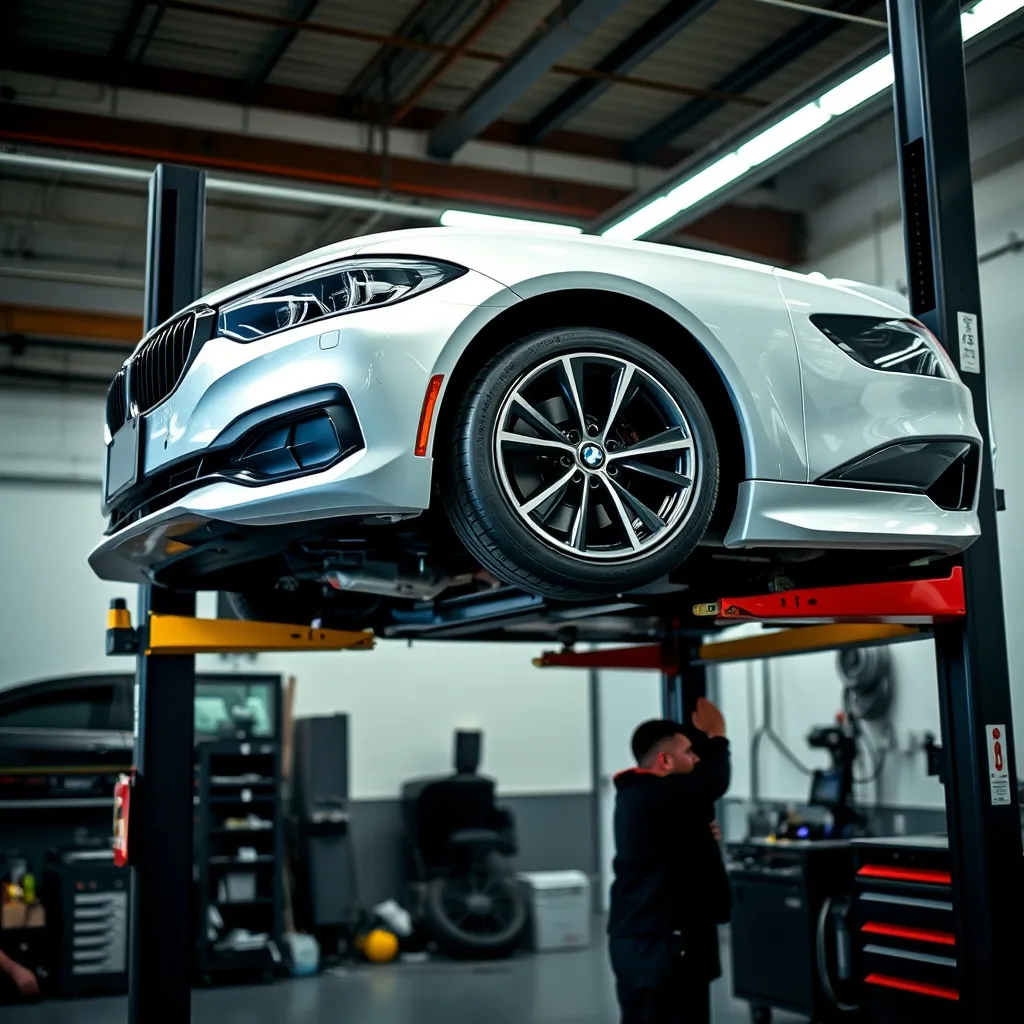
BMW reliability is a common question for used-car buyers, and the answer depends on the engine, the model, and the previous owner. Some recent BMWs are durable and rewarding, while others can generate large repair bills. This guide explains the common issues and the checks that matter before you buy.
What Reliability Means
Reliability is not just the frequency of breakdowns. It also includes the cost of routine maintenance, the availability of parts, and how the car behaves as it ages.
A BMW that is maintained on time can be reliable for many years. A neglected example can cost more than the purchase price in the first year.
BMW reliability ratings vary by engine and platform. A broad brand label is less useful than a model-specific inspection.
Engine Families
The B58 inline-six has a strong reputation in recent models, while the B48 four-cylinder is also widely used. Earlier N20 and N26 four-cylinders can have timing chain and oil-pump issues.
The N54 and N55 inline-sixes deliver strong performance but are known for turbo, injector, and oil-leak repairs. A BMW N54 reliability guide covers those faults in detail.
Service history matters more than the engine code. A well-documented car with fresh maintenance is a better risk than a low-mileage car with no records.
Cooling and Oil Leaks
BMW engines run warm, and plastic cooling parts can become brittle with age. A coolant leak may start at the water pump, the thermostat, or a hose flange.
Oil filter housing gaskets and valve cover gaskets are common leak points. Oil can drip onto the belt or the exhaust, creating a smell or a fire risk.
Check for dried coolant residue and oil stains before buying. A pressure test and a visual inspection on a lift are worth the cost.
A coolant leak that smells sweet is a warning, not a maintenance item. Pressure-test the system and inspect the plastic flanges. Cooling system faults are among the most preventable BMW reliability problems, and they are cheaper than a warped head.
Use the correct coolant and bleed the system properly after a repair. Trapped air can cause hot spots and a false temperature reading. A pressure test after the repair confirms the fix.
Electronics and Sensors
Modern BMWs rely on many sensors and modules. A weak battery can cause a cascade of warning lights that look like major failures.
iDrive and comfort systems are generally robust, but repairs can be expensive if a module fails. Check that every screen, camera, and seat function works.
A scan tool that reads BMW-specific codes is more useful than a generic OBD reader. The BMW press site has model and technology information.
Maintenance Costs
Oil changes, brakes, and tires cost more than on a mainstream car. Budget for them before you buy, and do not defer them to save money.
A major repair guide shows how quickly a turbo or transmission job can add up.
Independent BMW specialists often cost less than a dealer and know the common faults. Ask for a quote in writing before approving work.
Model-Specific Notes
The 3 Series and 4 Series are common, so parts and specialist knowledge are easy to find. The X3 and X5 add weight and complexity, which can raise running costs.
The M models deliver more performance but also higher maintenance and tire costs. A performance car with a thin service history is a risk.
Do not assume a newer model is automatically more reliable. Research the specific engine and the model year before you shop.
A BMW with a long list of options has more electronics that can fail. Test every feature during the test drive and check for warning lights. Complexity affects BMW reliability and the cost of future repairs.
A battery that is more than four years old can cause random warnings on a modern BMW. Test it before replacing modules. Low voltage is a common cause of electrical ghosts that hurt BMW reliability.
Buying Inspection
A pre-purchase inspection should include a compression test, a scan for stored codes, and a check for oil and coolant leaks. A road test should cover cold starts and highway speeds.
Ask for the service records and verify the mileage with the paperwork. A missing record is a reason to negotiate or walk away.
Check the tires, brakes, and suspension for wear. Those items are easy to see and can reveal how the car was driven.
Warranty and Records
A remaining factory warranty or a reputable extended warranty can reduce the risk of a used BMW. Read the exclusions before you pay for coverage.
Keep every receipt and record the mileage at each service. A complete history supports BMW reliability claims and helps at resale.
A pre-purchase inspection and a warranty are not a substitute for maintenance. They simply limit the financial downside.
Ownership Tips
Change the oil on a shorter interval than the maximum, especially if you drive short trips. Use the specified oil and a quality filter.
Fix leaks and warning lights early. A small coolant leak can become a head gasket job if the engine overheats.
Join a model-specific owner community and learn the common faults. Good information and a trusted specialist make BMW ownership far less stressful.
Find a specialist who works on your model and keep a relationship with them. A good independent shop can spot issues before they become failures. That support is a practical part of BMW reliability, and it lowers the risk of a surprise bill.
Keep a fund for maintenance rather than relying on a warranty to cover wear items. Brakes, tires, and fluids are not usually covered. A planned budget makes BMW reliability easier to live with, and it prevents a small BMW reliability issue from becoming a crisis.
Bottom Line on BMW Reliability
BMW reliability is model-specific. The engine, the service history, and the previous owner matter more than the badge alone.
A thorough inspection and a maintenance budget turn a risky purchase into a manageable one. Choose a well-documented car and keep up with the service.
Quick Checklist
- Research the specific engine.
- Get a pre-purchase inspection.
- Check for oil and coolant leaks.
- Budget for maintenance.
Are recent BMWs reliable?
Many recent models, especially those with the B58 or B48 engine, have good records when maintained. Some earlier four-cylinders and V8s have higher repair risk.
How much does BMW maintenance cost?
Routine maintenance is higher than average, and major repairs can be expensive. Budget for oil, brakes, tires, and a contingency fund.
What should I check before buying a used BMW?
Get a pre-purchase inspection, scan for codes, check for leaks, verify the service history, and test every electronic feature.

Punta Dewa is a senior automotive writer at Daily Car Care specializing in OEM repair procedures and cost-transparent maintenance. 6+ years, 150+ guides. Method: OEM manuals, TSB/recall database, and owner data. Author of 1,573 car-care guides since 2022.