

Table of Contents
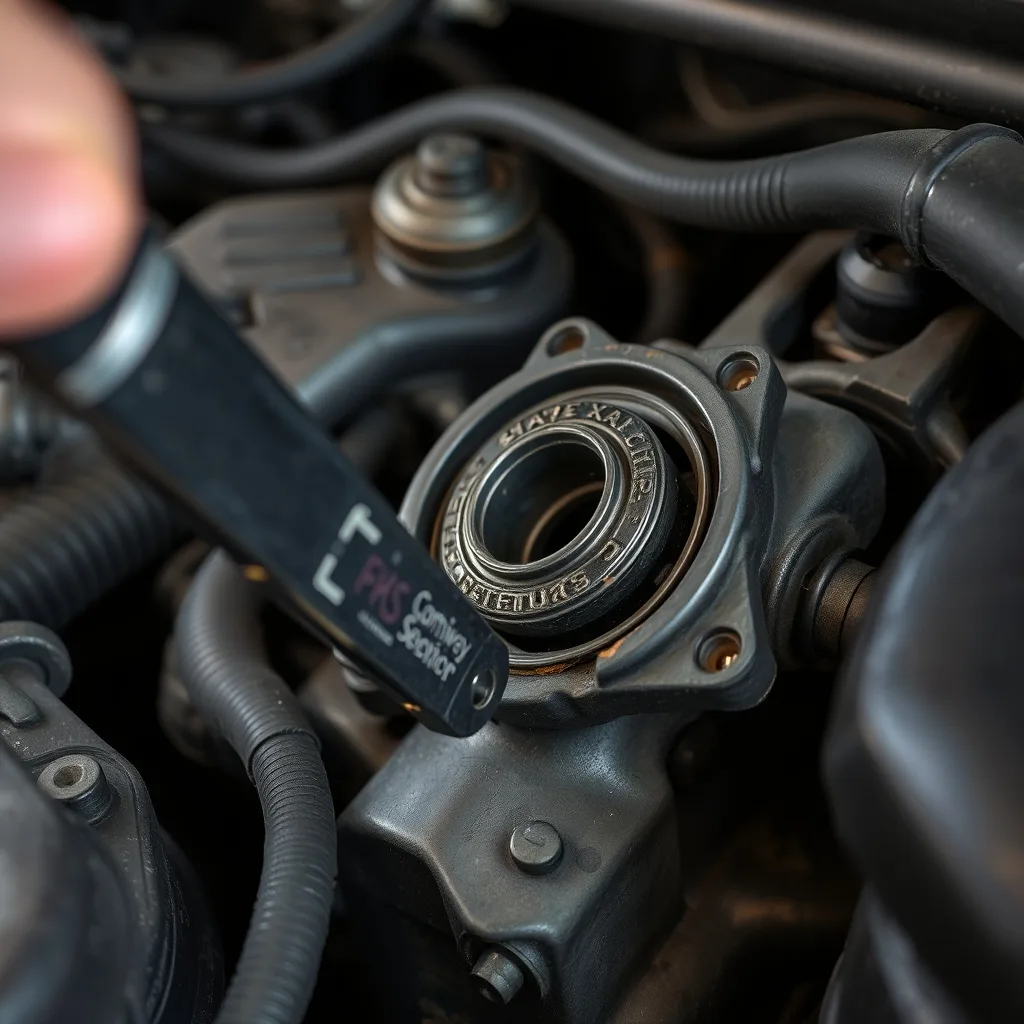
Engine mount wear is a common cause of vibration, clunks, and excess engine movement. The mounts hold the engine and transmission in place while isolating vibration from the cabin. This guide explains the signs of engine mount wear, how to test the mounts, and what a repair involves.
What Engine Mounts Do
An engine mount connects the engine or transmission to the subframe. It uses rubber, fluid, or a combination of both to absorb movement and vibration.
The mounts allow a small amount of motion under load but limit it under acceleration and braking. They also keep the drivetrain aligned.
Engine mount wear is common on older cars, high-torque engines, and vehicles that spend time on rough roads.
Sign 1: Vibration at Idle
A worn mount can let engine vibration pass into the steering wheel, seat, or dashboard. The vibration may be worse in gear at a stop.
A failed hydraulic mount may collapse and transmit a deep drone. A solid mount can feel harsh even when it is new.
Compare the vibration in park and in gear. If it changes sharply, the mount may be loading differently under torque.
Sign 2: Clunks and Movement
A clunk when you accelerate or shift can be a worn engine mount. The engine rocks and the mount bottoms out or the exhaust hits the body.
Look for a shiny or polished area on the mount or the subframe. That can show where metal is contacting metal.
A qualified mechanic can load the drivetrain and watch the movement safely.
A broken mount can also cause a vibration that changes with engine speed. If the shake disappears when you rev the engine in park, the mount is a strong suspect. A misfire usually follows the firing order and may set a code, so scan the car before you replace engine mount wear parts.
Sign 3: Engine Shake at Idle
A shaking engine at idle can come from a misfire, but a broken mount can make it worse. Diagnose the engine first if the shake is new and rough.
A collapsed mount may let the engine sit lower on one side. Check the gap between the mount and the bracket.
Do not replace mounts to fix a misfire. A major repair guide explains how to separate engine faults from mount faults.
A torque load test can reveal a mount that looks fine at rest. With the car secured and a helper watching, load the engine in drive and reverse. Excess movement points to engine mount wear, but keep hands and tools away from the fan and belts.
Sign 4: Drivetrain Stress
Worn mounts can misalign the driveshaft, exhaust, and hoses. That can cause a vibration at speed or a leak from a stressed connection.
A torn mount may allow the engine to move far enough to damage a radiator hose or an AC line. Inspect those parts as well.
Engine mount wear is not always isolated. A failed mount can accelerate wear on the others.
Testing the Mounts
With the car safely supported, inspect each mount for cracks, fluid leaks, and separation. Look at the rubber and the metal bracket.
A pry bar can reveal excessive movement, but use care not to tear a good mount. Compare the movement with the service specification if available.
A brake-torque test can load the engine while a helper watches. Keep the car secure and never put hands near moving parts.
A mount that is soft but not torn can still be worn. Compare the height and the resistance with a new part if you are unsure. On a hydraulic mount, a fluid leak is a clear sign of engine mount wear and a reason to replace the part.
Hydraulic vs Solid Mounts
Hydraulic mounts use fluid to damp vibration and are common on comfort-oriented cars. They can leak and collapse with age.
Solid rubber or polyurethane mounts are firmer and more durable. They transmit more vibration but are popular for performance use.
Choose the type that matches the car and the intended use. A solid mount can be a downgrade for a daily driver that values comfort.
Replacement and Cost
Engine mount replacement can be simple or complex depending on access. Some mounts require supporting the engine and removing surrounding parts.
Replace a failed mount and inspect the others. On a high-mileage car, replacing a pair can be more economical than paying labor twice.
Ask for a written estimate and confirm the part quality. A cheap mount may fail early and cost more in the long run.
A mount that fails completely can let the engine drop onto a hose or the steering rack. That is rare, but it shows why a clunk should not be ignored. Repair engine mount wear before it becomes a safety issue.
Prevention
Fix oil leaks that soften rubber mounts. Avoid hard launches and excessive idling that heat the mounts.
Inspect the mounts at every oil change, especially on a car with more than 100,000 miles. A service schedule helps you stay ahead.
Use quality parts and follow the torque specs. The AAA auto repair guide can help you find a shop. Engine mount wear is easier to manage when it is caught before the engine moves enough to damage other parts.
Replace the mount with the correct part and torque the bolts with the suspension at ride height if the procedure requires it. A mount installed under load can preload the rubber and fail early. That is one reason engine mount wear returns after a cheap repair, so choose a quality part.
Bottom Line on Engine Mount Wear
Engine mount wear shows up as vibration, clunks, and excess engine movement. Catch it early before the mount damages hoses, the exhaust, or the drivetrain.
Test the mounts carefully, replace the failed part, and inspect the rest. Quality parts and timely repairs keep the cabin quiet and the engine stable.
Quick Checklist
- Check for vibration in gear.
- Look for cracked or leaking mounts.
- Load-test with the car secure.
- Inspect hoses and exhaust nearby.
How long do engine mounts last?
Many last 80,000 to 150,000 miles, but driving style, heat, and oil leaks affect the life. Hydraulic mounts can fail sooner.
Can I drive with a worn engine mount?
Short distances at low speed may be possible, but excessive movement can damage hoses or the exhaust. Have it checked promptly.
How much does engine mount replacement cost?
A single mount may cost $150 to $500 installed, depending on access and part type. Complex mounts and labor can push the price higher.