

Table of Contents
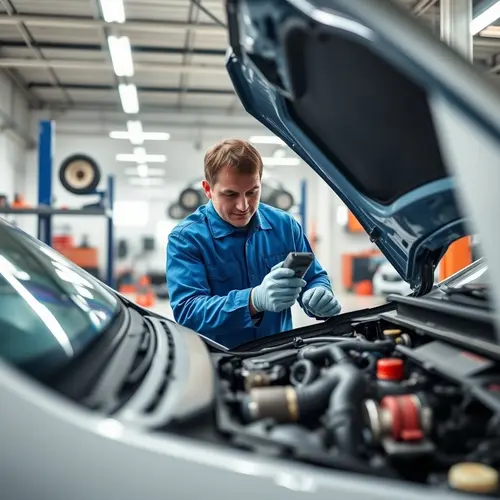
Good car maintenance tips are simple, repeatable, and easy to fit into a normal week. You do not need a workshop full of tools to protect the engine, tires, and brakes. This guide covers the habits that prevent expensive failures and keep a service history useful.
Follow the Oil Change Interval
Oil protects the engine from heat, friction, and sludge. Follow the interval in the owner’s manual, and shorten it if you do a lot of short trips, towing, or dusty driving. Check the level monthly and top up with the specified grade.
Do not judge oil only by color. A modern oil can look dark and still be serviceable, while a low level is always a problem. Keep the receipt and mileage so the next owner can verify the work.
Car Maintenance Tips for Tires and Brakes
Check tire pressure when cold and inspect the tread for uneven wear. Rotate the tires on schedule and fix alignment after a hard pothole. Brake fluid absorbs moisture over time, so follow the manufacturer’s replacement interval even if the pedal feels fine.
Listen for brake noise and pay attention to a soft pedal or a pull. Tires and brakes are the two systems that most directly affect stopping and steering. Our tire care guide explains the inspection points.
Check Fluids Monthly
Engine coolant, brake fluid, transmission fluid, and washer fluid all have a job. Check the level and condition, and look for leaks under the car. A small puddle after parking can be the first sign of a failing hose or seal.
Do not mix coolant types or add the wrong fluid just to reach a line. The owner’s manual lists the correct specification. When a fluid is low, find out where it went before topping up.
Battery and Charging Checks
Look for corrosion on the terminals and make sure the battery hold-down is tight. A battery that cranks slowly or lights that dim at idle may be near the end of their life. Have the charging system tested before replacing parts.
Our high-output alternator guide explains charging diagnosis. These car maintenance tips are cheaper than a tow, especially before winter.
Filters and Airflow
Replace the engine air filter and cabin filter at the recommended interval. A clogged engine filter can hurt performance, while a dirty cabin filter reduces airflow and can cause odors. Check the housing for leaves and debris.
Do not ignore a wet passenger floor or a musty smell. Water intrusion can damage electronics and encourage mold. Find the leak instead of covering the smell with a spray.
A Simple Monthly Walkaround
Walk around the car once a month. Check the lights, tire sidewalls, wiper blades, and fluid levels. Look for new leaks, cracked hoses, and debris in the grille. A five-minute inspection can catch a problem before it becomes a breakdown.
Set a reminder on your phone and keep a small notebook in the glovebox. These car maintenance tips work because they are easy to repeat. A monthly habit is more valuable than an annual panic.
Car Maintenance Tips That Save Money
Preventive work is usually cheaper than emergency work. A $10 air filter, a pressure check, and a coolant top-up cost less than an overheated engine or a ruined tire. These car maintenance tips also protect resale value.
Do not skip a recommended service just to save a small amount. The risk is not only the repair bill; it is the downtime and the safety margin you lose. Spend on inspection before a long trip.
Keep Records That Protect Resale
Keep invoices, mileage, and part numbers in one folder. A buyer can see what was done and when, which supports the asking price. Records also help a mechanic diagnose a repeat problem without starting from zero.
A simple spreadsheet is enough. Note the date, odometer, service, and shop. If you do the work yourself, keep the receipt for parts and the torque values you used.
When to Book a Professional Inspection
Book an inspection if a warning light stays on, a fluid keeps dropping, or a noise changes with speed. A professional can measure what a visual check cannot, including alignment, battery health, and brake pressure.
The NHTSA vehicle safety site has recall and safety information worth checking before a long trip. Use these car maintenance tips as a baseline, not a substitute for a proper diagnosis.
Seasonal Maintenance Checks
Winter puts stress on the battery, tires, and cooling system. Check the battery test result, tire pressure, and antifreeze strength before the first freeze. Summer stresses the cooling system and air conditioning, so inspect hoses and clean the condenser.
Spring is a good time to wash road salt from the underbody and inspect brake lines. Fall is the time to check wipers, lights, and tire tread before dark, wet commutes. These seasonal car maintenance tips prevent surprises.
A Maintenance Kit to Keep in the Car
Keep a tire pressure gauge, a portable inflator, gloves, a flashlight, and a basic tool set in the car. Add a microfiber cloth, washer fluid, and a small first-aid kit. The goal is to handle simple checks safely, not to perform major repairs on the shoulder.
Check the kit twice a year and replace expired items. A good set of car maintenance tips includes knowing what not to attempt at the roadside. If a tire is damaged or a warning light flashes, call for help.
These habits are simple, but they are the car maintenance tips that actually get used. Write them down, set a reminder, and keep the kit where you can reach it.
A small notebook in the glovebox makes these car maintenance tips easier to keep. Write the date, mileage, and what you checked, then review the list before the next long trip. The habit takes less time than a service appointment.
Review the list before a long trip and again before winter. A few minutes of planning is one of the most useful car maintenance tips you can adopt.
How often should I check my car fluids?
Check the oil and coolant at least monthly, and inspect brake and transmission fluid at the intervals in the owner’s manual. Look for leaks after parking.
Are car maintenance tips the same for every car?
No. Intervals and fluid specifications vary by model, engine, and driving conditions. Always start with the owner’s manual.
How can I save money on car maintenance?
Do simple checks yourself, combine services, and fix small leaks early. Preventive maintenance is usually cheaper than emergency repairs.