
Table of Contents
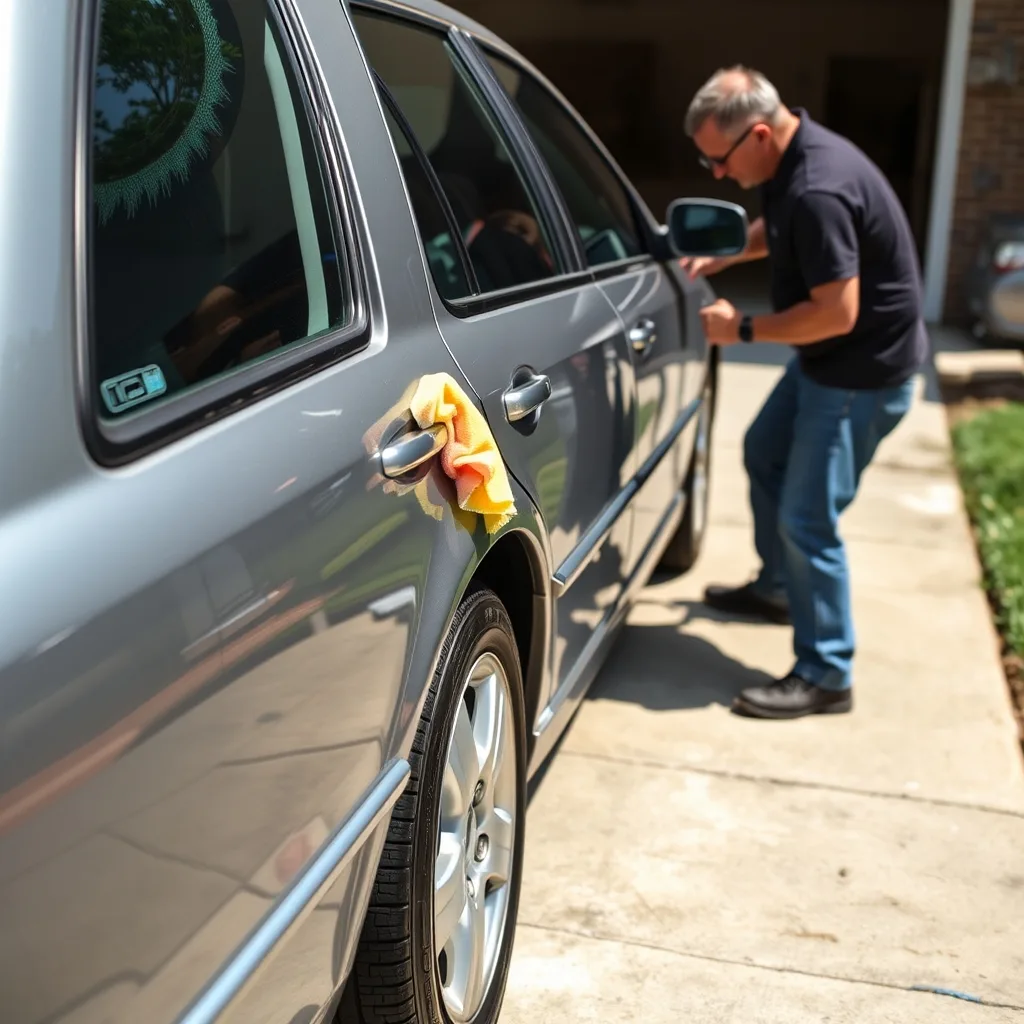
Every car loses value over time, but the rate depends on how it is maintained, stored, and documented. The right habits can maintain car value and make a private sale easier. This guide covers the steps that buyers notice and that cost relatively little compared with the depreciation they prevent.
Why Records Matter
A complete service history shows that the car was cared for and that the mileage is plausible. Buyers pay more for a car with receipts and a clear timeline.
Keep oil changes, tire replacements, repairs, and inspections in one folder or a digital file. Note the date and mileage for each entry.
A missing record does not prove neglect, but it gives a buyer room to negotiate. Good records help maintain car value at resale.
Service on Time
Follow the owner manual for oil, filters, brakes, and fluids. Deferred maintenance turns into visible problems that reduce the price.
Use a qualified shop and keep the invoice. A stamped book or a digital service record is stronger evidence than a verbal claim.
Our service guide explains why routine work protects both reliability and value.
Paint and Body
Wash the car regularly and remove bird droppings, tree sap, and road salt before they damage the clear coat. A coat of wax or sealant adds protection.
Park in a garage or under cover when possible. Sun exposure fades paint and cracks the dashboard and trim.
Fix small dents and scratches before they rust. A paintless dent repair can be cheaper than bodywork and helps maintain car value.
A garage-kept car usually has better paint and a cleaner interior. If you park outside, use a cover that breathes and wash off sap and bird droppings quickly. Those habits maintain car value without a full detail.
Clean the wheels and the wheel wells when you wash the car. Brake dust and salt can pit the finish and make the car look older. A soft brush and a dedicated wheel cleaner are safer than a strong acid.
Tires and Wheels
Keep the tires at the correct pressure and rotate them on schedule. Even wear signals that the car was maintained and aligned.
Replace tires before they reach the wear bars. A car with bald tires looks neglected and may fail a safety inspection.
Clean the wheels and remove brake dust. Curbs and corrosion are visible to a buyer and can lower the offer.
Interior Care
Vacuum the carpets and seats regularly, and clean spills before they set. A clean interior suggests the car was cared for.
Repair small tears and replace worn floor mats. A strong odor from smoke or pets is hard to remove and can cost a sale.
Avoid eating and drinking in the car if you plan to sell it. A major repair guide can help you decide which fixes are worth doing before a sale.
Mileage and Driving
Mileage is a major value factor, but how the car was driven matters too. Mostly highway miles are generally easier on the car than short city trips.
Avoid unnecessary idling and hard acceleration. Smooth driving reduces wear on the brakes, tires, and drivetrain.
If you have two cars, use the newer one for long trips and keep the mileage lower on the car you plan to sell.
A low-mileage car is not automatically worth more if the tires and brakes are worn. Buyers add the cost of immediate repairs to their offer. Keep the maintenance current to maintain car value.
Keep the fuel level above a quarter tank if the car sits for weeks. Condensation and a weak fuel pump can create problems that cost more than the fuel. Drive the car occasionally to keep the battery and brakes healthy.
Mods That Hurt Value
Extreme modifications, loud exhausts, and non-factory wheels can narrow the buyer pool. Some buyers will pay less for a modified car.
Keep the original parts if you modify the car. Returning it to stock before a sale often helps maintain car value.
A tasteful, reversible upgrade is less risky than cutting or welding the body. Document any work with receipts.
Detailing and Photos
A professional detail before a sale can pay for itself by improving first impressions. Clean engine bays and interiors photograph better.
Take photos in daylight and show the odometer, the service records, and any flaws. Honesty builds trust and reduces negotiations.
Do not hide accident damage or warning lights. A buyer who discovers a problem after the sale may walk away or demand a discount.
When to Sell
Selling before a major service is due can avoid a large bill, but a buyer may notice the missing maintenance. Weigh the cost against the price.
A car with a fresh service, good tires, and a clean interior is easier to sell. The Kelley Blue Book advice section explains how condition and history affect value.
The best way to maintain car value is consistent care over the whole ownership period, not a last-minute cleanup.
Sell before the next major service is due, or complete the service and show the receipt. A buyer who sees a fresh timing belt or tires is more confident. A documented car is easier to price and sell, and the records maintain car value.
A pre-sale inspection from a trusted shop can find a small issue before a buyer does. Fix what is safety-related and disclose the rest. Honest presentation protects your reputation and helps maintain car value, even if the price is negotiated. Keep the records with the car so the next owner can see the history.
Bottom Line on How to Maintain Car Value
To maintain car value, focus on records, timely service, and the details a buyer can see. Paint, tires, and a clean interior signal that the car was cared for.
Start early and stay consistent. The cost of good habits is small compared with the depreciation that neglect can add.
Quick Checklist
- Keep every service receipt.
- Wash and wax regularly.
- Replace worn tires and fix small damage.
- Keep the interior clean.
What adds the most value to a used car?
A complete service history, good tires, a clean interior, and a damage-free body have the biggest impact. Documentation matters as much as condition.
Do modifications reduce car value?
Often yes, especially extreme or irreversible changes. Keep the original parts and choose reversible upgrades if you plan to sell.
Does low mileage always mean higher value?
Not always. Condition, service history, and age matter. A low-mileage car with neglected maintenance can be worth less than a well-kept higher-mileage car.

Punta Dewa is a senior automotive writer at Daily Car Care specializing in OEM repair procedures and cost-transparent maintenance. 6+ years, 150+ guides. Method: OEM manuals, TSB/recall database, and owner data. Author of 1,573 car-care guides since 2022.