
Table of Contents
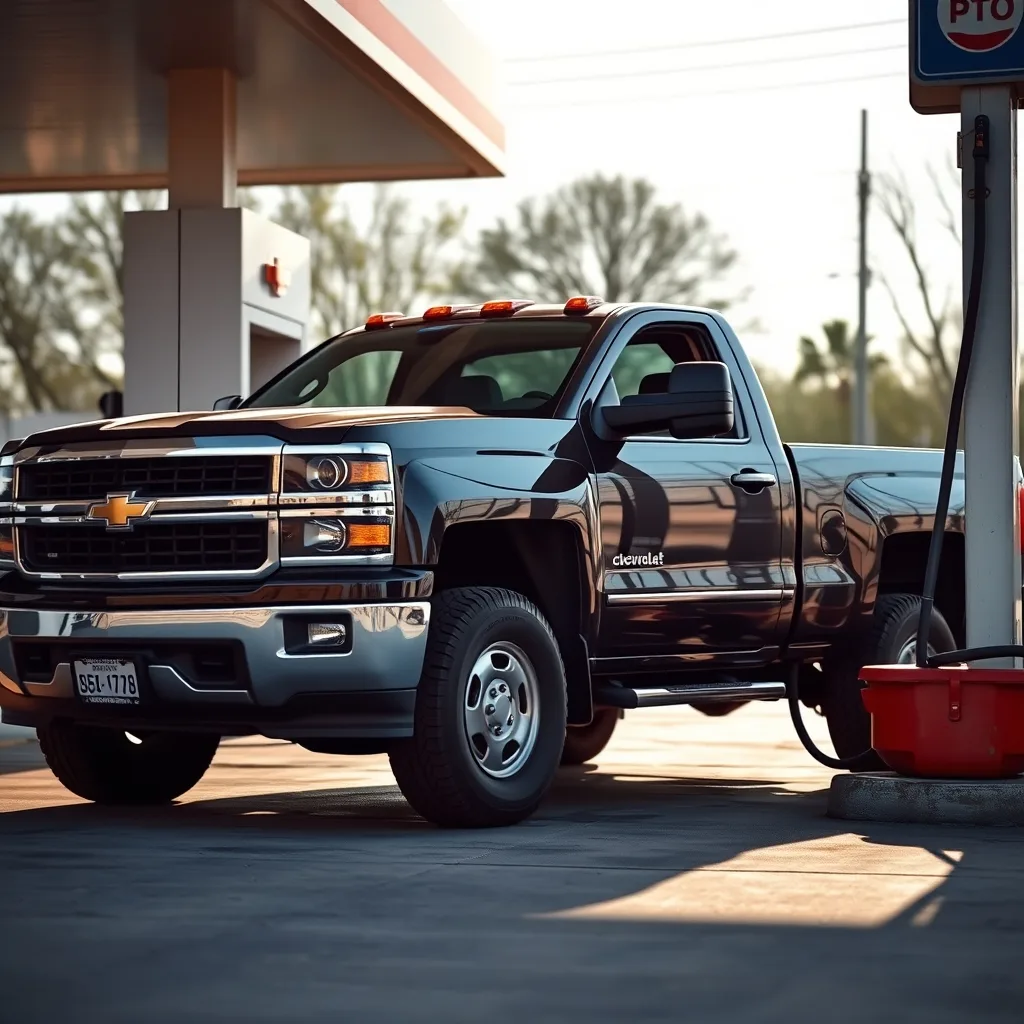
Chevy truck gas mileage depends on how the truck is equipped, loaded, and driven. Small changes in tire pressure, weight, and maintenance can add up over a year. This guide covers the proven steps that improve MPG without promising impossible numbers.
Start With Tire Pressure and Alignment
Low tire pressure increases rolling resistance and wears the edges of the tread. Check the pressure when the tires are cold and use the door-jamb placard.
A misaligned truck can scrub the tires and waste fuel. Fix alignment after a hard pothole or if the steering wheel is off center. Our tire care guide explains the checks.
A tonneau cover may help a little, but it is not a substitute for smooth driving. Test the change over several tanks.
Remove Unnecessary Weight
Every extra pound takes energy to move. Tools, cargo, and a heavy bed cover all affect Chevy truck gas mileage, especially in stop-and-go driving.
Remove what you do not need for the trip. Keep the spare and safety gear, but leave the sandbags and unused equipment at home.
Winter fuel blends and colder air can change MPG. Compare similar seasons before drawing conclusions.
A tonneau cover may help a little, but it is not a substitute for smooth driving. Test the change over several tanks. Winter fuel blends and colder air can change MPG, so compare similar seasons before drawing conclusions. A stuck brake caliper can drag and hurt mileage; after a drive, check for a hot wheel.
Drive Smoothly
Hard acceleration and late braking waste fuel. Accelerate steadily, look ahead, and coast toward stops when it is safe.
Use the tachometer or instant fuel economy display to learn how your right foot affects Chevy truck gas mileage. Smooth driving also reduces brake wear.
A stuck brake caliper can drag and hurt mileage. After a drive, check for a hot wheel.
Use Cruise Control Wisely
Cruise control helps on flat highways, but it can downshift on hills and use more fuel. On rolling terrain, a steady foot may be more efficient.
Do not use cruise control in heavy traffic or on wet roads. The goal is smooth speed, not simply engaging the feature.
Tire choice matters. A highway tread often returns better MPG than an aggressive all-terrain tire.
Tire choice matters. A highway tread often returns better MPG than an aggressive all-terrain tire. A dirty mass airflow sensor can cause a rich mixture, so use the correct cleaner and do not touch the element. A thermostat that stays open keeps the engine cold and wastes fuel.
Maintain the Engine
A dirty air filter, old spark plugs, or a failing oxygen sensor can hurt fuel economy. Follow the service schedule and fix check-engine lights.
Our service guide explains why early repairs protect both MPG and reliability. A stuck thermostat can also keep the engine cold and inefficient.
A dirty mass airflow sensor can cause a rich mixture. Use the correct cleaner and do not touch the element.
Check the Air Filter and Sensors
A restricted air filter can reduce power and economy, especially on dusty roads. A contaminated mass airflow sensor can send the wrong fuel signal.
Use the correct filter and avoid over-oiling a reusable filter. Too much oil can foul the sensor and create drivability problems.
A thermostat that stays open keeps the engine cold and wastes fuel. Replace it if the temperature gauge stays low.
Plan errands to avoid repeated cold starts, because a warm engine is more efficient than several short trips. A tuner that raises boost or changes shift points may hurt economy, so ask for real-world results instead of marketing claims. Keep a fuel log for at least a month. Chevy truck gas mileage varies with load, weather, and route.
Plan Routes and Idle Less
Cold starts and stop-and-go traffic hurt Chevy truck gas mileage. Combine errands and avoid long warm-up idles.
Modern engines warm up while driving. Idling burns fuel and adds no benefit beyond a short period in extreme cold.
Plan errands to avoid repeated cold starts. A warm engine is more efficient than several short trips.
When a Tuner Helps and When It Does Not
A reputable tune can improve throttle response or towing behavior, but it is not a guarantee of better MPG. Some tunes increase fuel use.
Do not chase big gains with a cheap programmer. Research the tune, the warranty impact, and the fuel requirement before buying.
A tuner that raises boost or changes shift points may hurt economy. Ask for real-world results, not marketing claims.
Check the tire pressures before a long drive and again when the truck is loaded. A low tire can cost more fuel than any accessory. Remove tools and cargo you do not need, and clean the bed. On Chevy truck gas mileage, small habits repeated every week add up.
Track Real MPG
Calculate MPG at each fill-up instead of trusting the dashboard alone. Record miles, gallons, and driving conditions.
The fueleconomy.gov site explains how driving style and conditions affect real-world results. Tracking shows which changes actually improve Chevy truck gas mileage.
Keep a fuel log for at least a month. Chevy truck gas mileage varies with load, weather, and route.
Use a scan tool to check fuel trims if the mileage drops suddenly. A vacuum leak or a lazy oxygen sensor can cost fuel without a warning light. Compare the long-term trims at idle and at cruise. That test is a better start than replacing parts, because a sudden drop in Chevy truck gas mileage is often a sensor or a brake drag, not a worn engine.
Bottom Line on Chevy Truck Gas Mileage
Chevy truck gas mileage is not fixed. Tire pressure, weight, driving style, and maintenance are the biggest levers for most owners.
Make one change at a time and track the result at the pump. Real data beats marketing claims, and the savings add up over a year of driving.
Quick Checklist
- Check tire pressure monthly.
- Remove unnecessary weight.
- Fix warning lights and service on time.
- Track MPG at every fill-up.
What MPG can a Chevy truck get?
It depends on the model, engine, drivetrain, load, and driving. A modern half-ton may see high teens on the highway, while an older or heavily loaded truck can be lower.
Does a cold air intake improve Chevy truck gas mileage?
Rarely by a measurable amount. A quality intake may change sound and throttle response, but driving habits and maintenance matter more.
Does towing reduce fuel economy?
Yes, often significantly. Weight, frontal area, and aerodynamics all increase the energy needed to move the truck and trailer.

Punta Dewa is a senior automotive writer at Daily Car Care specializing in OEM repair procedures and cost-transparent maintenance. 6+ years, 150+ guides. Method: OEM manuals, TSB/recall database, and owner data. Author of 1,573 car-care guides since 2022.