
Table of Contents
Good car maintenance advice is simple, but it is easy to ignore until something breaks. The habits that matter most are the ones you repeat: checking tires, changing oil, and responding to warning lights. This guide covers seven practical habits that prevent breakdowns and protect resale value.
Start With the Manual
The owner manual is the best source for the service interval, the fluid specs, and the tire pressure. It is written for your exact model.
Do not assume the dealer schedule is the only option. If you drive short trips or in extreme heat, the severe-service interval may fit better.
Use the manual as the base for all car maintenance advice, then adjust for how you actually drive.
Oil and Filters
Engine oil lubricates, cools, and cleans. A longer interval is not always better, especially on a turbocharged or direct-injection engine.
Use the specified oil and a quality filter. A cheap filter can bypass dirt and shorten engine life.
Check the level between changes and fix a leak early. Oil is the cheapest insurance in any car maintenance advice.
Do not judge oil by color alone. A dark oil can still be within its service life, and a light oil can be contaminated. Use the mileage and the oil life monitor as a guide, then check the level and the condition.
Tires and Brakes
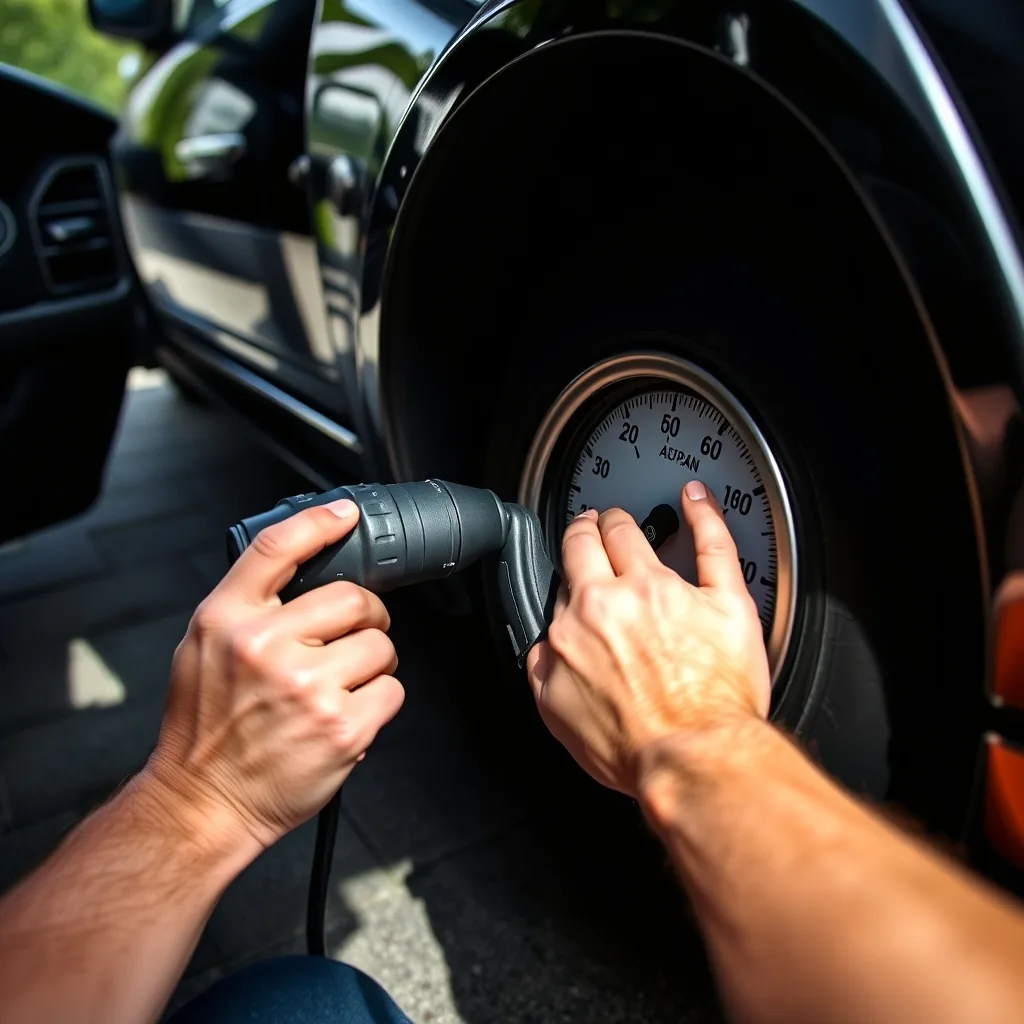
Check tire pressure when the tires are cold and inspect the tread for wear. A tire guide explains rotation and replacement.
Listen for brake noise and feel for a soft pedal or a pull. Brakes are a safety system, not a place to delay service.
A sticky caliper can overheat a wheel and hurt fuel economy. Fix it before it damages the rotor.
Fluids
Coolant, brake fluid, transmission fluid, and power steering fluid all have a service life. Heat and time break them down.
Check the levels and the condition. A dark or burned fluid is a sign of heat or contamination.
Use the specified fluid and avoid mixing types. The wrong fluid can damage seals and cause an expensive repair.
Check the coolant only when the engine is cold. Opening a hot cooling system can cause burns. Use the correct type and mix, not just water, and fix a leak before it causes overheating.
Warning Lights
A check-engine light is a request for diagnosis, not a suggestion to clear the code. Read the code and investigate the cause.
A flashing check-engine light can indicate a misfire that damages the catalytic converter. Stop driving if it flashes.
Keep a small scan tool in the car or ask a parts store to read the code. Car maintenance advice should always include a plan for warning lights.
A brake fluid flush is easy to postpone, but old fluid absorbs moisture and lowers the boiling point. That matters on a long descent or in an emergency stop. Include it in the car maintenance advice schedule.
Seasonal Checks
Before summer, check the cooling system, the AC, and the tires. Before winter, test the battery, the wipers, and the defroster.
Cold weather reduces battery capacity and tire pressure. A battery that is weak in summer may fail in the first cold snap.
A seasonal check takes minutes and prevents the most common breakdowns. A weak battery is the most common cold-weather failure, so test it early.
If the airflow is weak, check the filter before the blower, because a clogged filter is a common cause. A dirty cabin filter can fog the windows and reduce airflow. Replace it at the interval or when the HVAC smells musty. It is one of the cheapest car maintenance advice items on the list.
Records and Routine
Keep receipts and note the mileage for every service. Records support resale and help a shop see what has been done.
A simple notebook or a phone app is enough. The best car maintenance advice is the advice you can prove you followed.
Review the records before a long trip or a major repair. A pattern of missed service is a warning sign.
A maintenance log also helps at resale. A buyer who sees a consistent history is more likely to pay a fair price. That is practical car maintenance advice, not just bookkeeping.
Avoid Myths
Do not believe that an engine needs a long warm-up or that a higher-octane fuel always helps. Follow the manual.
Do not use additives to fix a mechanical problem. They can mask a symptom or cause a new one.
A good mechanic will explain the reason for a service, not just sell it.
A car that sits for weeks can develop a flat battery and flat-spotted tires. Drive it occasionally or use a maintainer. That is car maintenance advice for low-mileage cars, not just high-mileage ones.
Check the tires at the same time as the battery. A low tire hurts fuel economy and safety, and it takes only a minute. Write down what you find so you can compare next year, because a simple note is enough.
A Simple Schedule
Monthly: tire pressure, lights, and fluid levels. Every oil change: inspect brakes, belts, and hoses. Yearly: battery test and a thorough inspection.
Use the service guide to build a schedule that fits your mileage.
The fueleconomy.gov maintenance guide has more fuel-saving checks. Consistent car maintenance advice beats a one-time overhaul.
A simple car maintenance advice rule is to fix a warning light before a long trip. A small fault can become a roadside breakdown. If you are unsure, ask a shop for a quick inspection and a written estimate.
Bottom Line on Car Maintenance Advice
The best car maintenance advice is boring and repeatable: check tires, change oil, watch the brakes, and respond to warning lights. Those habits prevent most breakdowns.
Keep records and adjust the schedule to your driving. Small, consistent care is cheaper than a major repair and protects the value of the car.
Quick Checklist
- Check tire pressure monthly.
- Change oil on the right interval.
- Fix warning lights early.
- Keep service records.
What is the most important car maintenance?
Oil changes, tire pressure, and brake checks are the core. They prevent the most common and expensive failures.
How often should I service my car?
Follow the owner manual, and use the severe-service interval if you drive short trips, in traffic, or in extreme weather.
Can I skip maintenance if I drive few miles?
No. Fluids and rubber parts age even when the car sits. Follow the time interval as well as the mileage interval.

Punta Dewa is a senior automotive writer at Daily Car Care specializing in OEM repair procedures and cost-transparent maintenance. 6+ years, 150+ guides. Method: OEM manuals, TSB/recall database, and owner data. Author of 1,573 car-care guides since 2022.