
Table of Contents
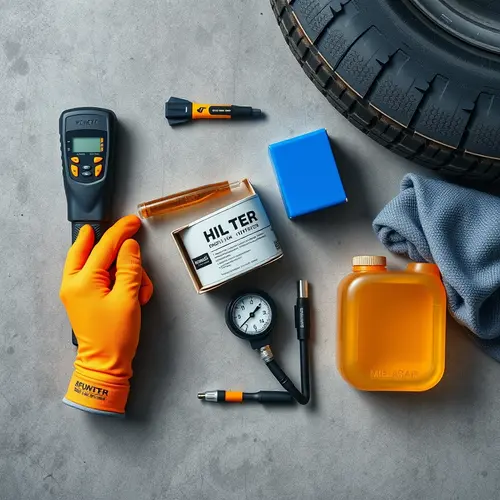
Consistent maintaining a car protects your investment, ensures safety, and prevents catastrophic failures. This guide covers the seven essential systems requiring routine attention, based on manufacturer service intervals and industry best practices.
Why Maintaining a Car Matters for Longevity
Neglecting scheduled service accelerates wear on expensive components. The National Institute for Automotive Service Excellence (ASE) confirms that proactive maintenance extends vehicle lifespan significantly beyond the average trade-in cycle. A documented service history also preserves resale value far better than cosmetic upgrades.
Fluid Management: The Lifeblood of Maintaining a Car
Fluids degrade thermally and chemically over time. Engine oil loses viscosity and accumulates contaminants. Transmission fluid shears down, losing its ability to protect clutch packs. Brake fluid absorbs moisture, lowering its boiling point and risking vapor lock during hard stops. Coolant becomes acidic, eating aluminum radiators and head gaskets from the inside out.
- Engine Oil: Change every 5,000 to 7,500 miles for conventional; 7,500 to 10,000 miles for full synthetic. Always replace the filter.
- Transmission Fluid: Service every 30,000 to 60,000 miles. A drain-and-fill is safer than a power flush on high-mileage units.
- Coolant: Flush every 5 years or 100,000 miles for modern OAT formulations.
- Brake Fluid: Replace every 2 years regardless of mileage (DOT 3/4 hygroscopic nature).
The “Big Three” Wear Items
Tires, brakes, and batteries define daily drivability. Ignoring them creates immediate safety hazards.
Tire Health and Rotation Strategy
Rotation every 5,000 to 7,500 miles equalizes wear between drive and non-drive axles. Check pressure monthly when cold; the door jamb placard lists the correct PSI, not the sidewall maximum. The “penny test” (Lincoln’s head upside down in tread) indicates 2/32″ depth—the legal minimum in most states—but 4/32″ is the safe threshold for wet traction according to Consumer Reports testing.
Brake System Inspection
Pads typically last 30,000 to 70,000 miles depending on driving style. Listen for the wear indicator squeal—a metal tab contacting the rotor. Grinding means metal-on-metal contact; rotors will likely need replacement, doubling the repair cost. Caliper slide pins require lubrication during every pad service to prevent uneven wear.
Battery and Charging System
Heat kills batteries faster than cold. Load test annually after the three-year mark. Clean terminals with a wire brush and dielectric grease to prevent voltage drop. A resting voltage below 12.4V indicates sulfation; below 12.0V suggests a dead cell.
Filters: The Unsung Heroes
Three primary filters protect major assemblies. The engine air filter prevents silica dust from scoring cylinder walls. A clogged filter chokes airflow, trimming power and fuel economy. The cabin filter traps pollen and exhaust particulates; replace annually for HVAC efficiency and air quality. The fuel filter (often integrated into the pump module on modern returnsless systems) protects injectors from debris that destroys spray patterns.
Timing Belts vs. Chains: Know Your Engine
Interference engines bend valves if the timing belt snaps. Manufacturers typically mandate replacement at 60,000 to 100,000 miles. Replace the water pump, tensioners, and idlers simultaneously—the labor overlap makes skipping them false economy. Timing chains last longer but stretch; rattling on cold start signals tensioner or guide failure.
| Component | Service Interval | Failure Symptom |
|---|---|---|
| Engine Oil & Filter | 5k – 10k miles | Low pressure light, knocking |
| Tire Rotation | 5k – 7.5k miles | Cupping, vibration, pull |
| Transmission Fluid | 30k – 60k miles | Harsh shifts, flare, shudder |
| Coolant Flush | 5 yrs / 100k miles | Overheating, sweet smell |
| Brake Fluid | 2 years | Spongy pedal, ABS light |
| Timing Belt | 60k – 100k miles | Ticking noise, no start |
| Spark Plugs | 60k – 100k miles | Misfire, rough idle, poor MPG |
Expert Insight: The “Severe Duty” Trap
Most drivers operate under “severe” conditions without realizing it. Short trips under 10 miles, stop-and-go traffic, extreme temperatures, and towing all qualify. Owner’s manuals define two schedules: Normal and Severe. Following the Severe schedule—typically halving fluid intervals—is the single highest-ROI decision an owner can make. I have seen 200,000-mile engines with pristine internals because the owner changed oil at 4,000 miles religiously, while identical engines sludged up at 80,000 miles on the “Normal” 7,500-mile interval.
Building a Sustainable Maintenance Routine
Store records digitally or in a dedicated glove-box folder. Apps like CARFAX Car Care or a simple spreadsheet track dates, mileage, and receipts. Set calendar reminders for time-based items like brake fluid and coolant. Find an independent shop specializing in your marque; they often access Technical Service Bulletins (TSBs) that dealers miss. A trusted mechanic who knows your vehicle’s history spots trends—like a slowly weeping valve cover gasket—before they strand you.
Mastering the discipline of maintaining a car transforms ownership from a series of emergencies into a predictable, manageable operating cost. The mechanical sympathy you develop pays dividends every mile.
Punta Dewa is a senior automotive writer at Daily Car Care specializing in OEM repair procedures and cost-transparent maintenance. 6+ years, 150+ guides. Method: OEM manuals, TSB/recall database, and owner data. Author of 1,573 car-care guides since 2022.