
Table of Contents
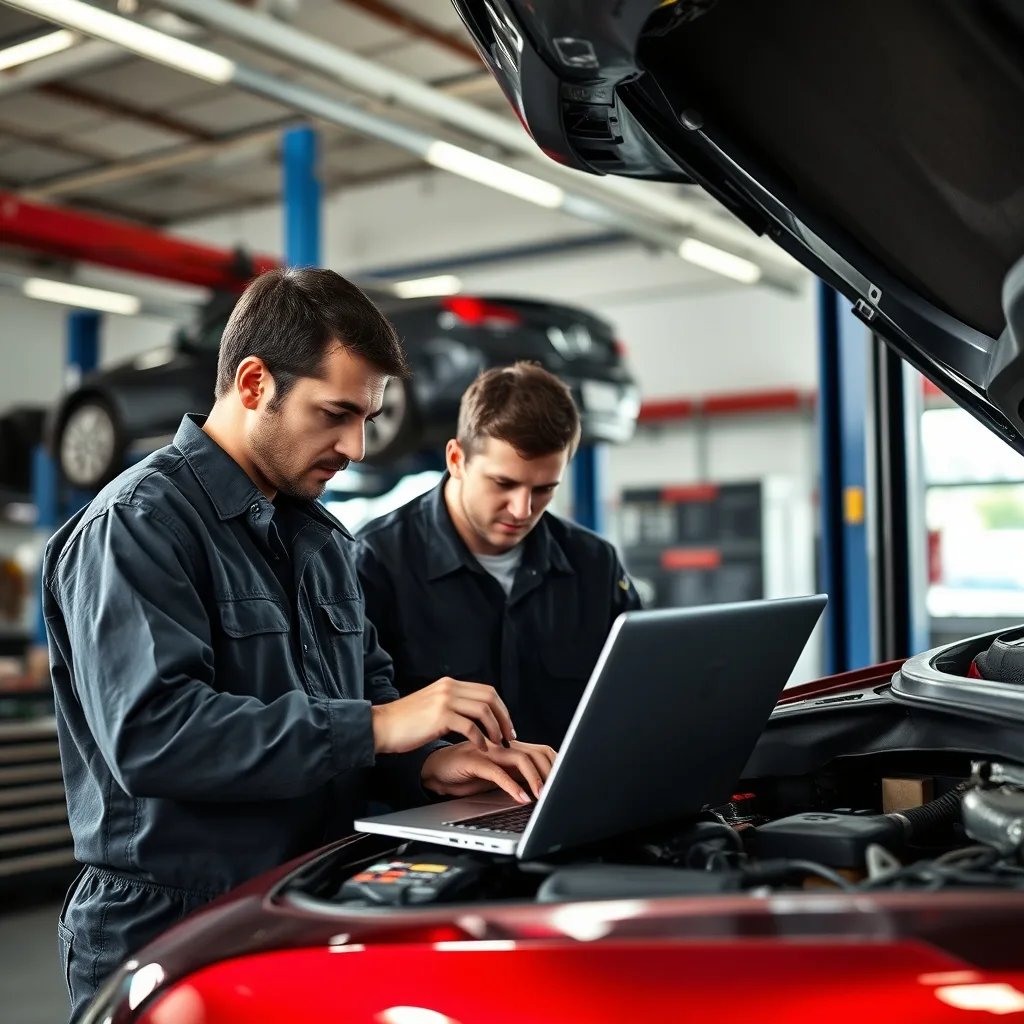
There are several types of mechanics, and the right one depends on the job. A general repair shop, a dealer, a specialist, and a mobile technician all solve different problems. This guide explains the specialties and the questions that help you choose.
General Repair Mechanics
A general mechanic handles maintenance, brakes, suspension, cooling, and most engine repairs. They are a good first stop for a noise, a leak, or a check-engine light.
Look for a shop with service information and diagnostic tools. A generalist who knows when to refer a job is more valuable than one who guesses.
A general shop is a good first stop for maintenance and most repairs. Ask whether the shop has the tools and training for your car’s systems.
Dealer Technicians
Dealer technicians work on one brand and have factory tools, software, and training. They are strong for warranty work, recalls, and complex electronic faults.
Dealer labor rates are usually higher. Ask whether the job requires dealer software or a manufacturer-specific procedure before paying the premium.
A dealer can access warranty and recall work that an independent shop cannot. For a complex electronic fault, the factory software may be necessary.
Specialty Shops
Specialty shops focus on transmissions, diesel, hybrids, electrical systems, or performance. They invest in the tools and training those systems require.
A transmission or hybrid repair is often better at a specialist than a general shop. Ask how many similar jobs they do each month.
A specialty shop may charge more per hour but finish the job faster and with fewer comebacks. Ask for a diagnosis plan before approving work.
Collision and Body Mechanics
Collision technicians repair structural damage and body panels. They work with insurers and understand frame measurement, paint, and safety systems.
A collision repair is not the same as a mechanical repair. Choose a shop with the equipment to calibrate sensors after the bodywork.
Collision work often requires sensor calibration and frame measurement. Choose a shop that can document the repair and the calibration.
Mobile Mechanics
A mobile mechanic comes to your home or office. They are convenient for brakes, batteries, and inspections, but they may not have a lift or heavy equipment.
Ask what jobs they can do on-site and how they handle a repair that needs a shop. Get the price and warranty in writing.
A mobile mechanic is convenient for simple jobs, but not for a repair that needs a lift or a controlled environment. Confirm the scope before booking.
Diesel and Hybrid Specialists
Diesel specialists understand injection, turbo, and emissions systems. Hybrid specialists handle high-voltage safety, battery testing, and inverter repairs.
These systems can injure an untrained technician. Choose a shop with the right safety equipment and current training. The auto repair mechanic guide explains the traits to look for.
Diesel and hybrid systems require specific safety training. Do not let a general shop experiment on a high-voltage battery or a diesel emissions system.
How to Choose the Right Type
Match the shop to the job. Use a general shop for maintenance, a dealer for warranty or software, and a specialist for a complex system.
Ask for a written estimate and a diagnosis plan. A shop that explains the testing process is more likely to fix the problem once.
The right types of mechanics depend on the job, not on brand loyalty. A good general shop will refer you to a specialist when needed.
Certification and Accountability
ASE certification is a baseline, and manufacturer certifications add model-specific credibility. Insurance and a business license matter too.
Check the warranty and the complaint process. The ASE consumer site explains what certification means. Our guide to the most expensive car repairs shows why the right specialist matters.
Certification and insurance protect you if something goes wrong. Ask for proof and keep the estimate and warranty in your records.
Building a Repair Team
Most drivers need a general shop, a tire shop, and a specialist contact. Save their numbers before an emergency.
Keep records shared between shops so each technician can see the history. The right types of mechanics make repairs faster and less expensive over time.
A repair team that communicates saves time and money. Share the service history so each shop can build on the last repair.
Bottom Line on Types of Mechanics
The main types of mechanics are general repair, dealer, specialty, collision, and mobile technicians. Choose the type that matches the job and the tools it requires.
For maintenance, a good general shop is usually enough. For a complex system, the right types of mechanics are the ones with specific training and equipment.
Ask for a diagnosis plan, a written estimate, and a warranty. Understanding the types of mechanics helps you avoid paying specialist prices for a simple job or general-shop prices for a specialist repair.
Quick Checklist
- Match the shop to the repair.
- Ask about certifications and tools.
- Get a written estimate.
- Keep a general shop and a specialist contact.
Some shops combine several types of mechanics under one roof. A dealer may have a transmission specialist, and an independent shop may have a diesel technician. Ask who will actually work on your car.
For a second opinion, choose a different type of mechanic when the first diagnosis is expensive. A specialist can confirm whether the repair is really necessary.
Ask each shop what types of mechanics work on staff and which jobs they send out. A shop that is honest about its limits is safer than one that tries every job.
For a complex repair, the right types of mechanics may be a team rather than one person. A general shop can coordinate a specialist and keep the repair moving.
Keep the estimate and the warranty with your service records. If a repair fails, the paperwork shows which types of mechanics did the work.
Ask how the shop handles a repair that needs a specialist. A good referral saves time and prevents a comeback. Ask for the referral in writing so the next shop knows what has already been checked.
What is the difference between a mechanic and a technician?
The terms are often used interchangeably. A technician usually emphasizes diagnostic and electronic training, while a mechanic emphasizes mechanical repair.
Should I go to a dealer or an independent shop?
A dealer is best for warranty, recalls, and brand-specific software. A good independent shop can handle most maintenance and repairs for less.
How do I find a good specialty shop?
Ask for referrals, check certifications, and confirm the shop has the tools for your system. Ask how many similar jobs they complete each month.