

Table of Contents
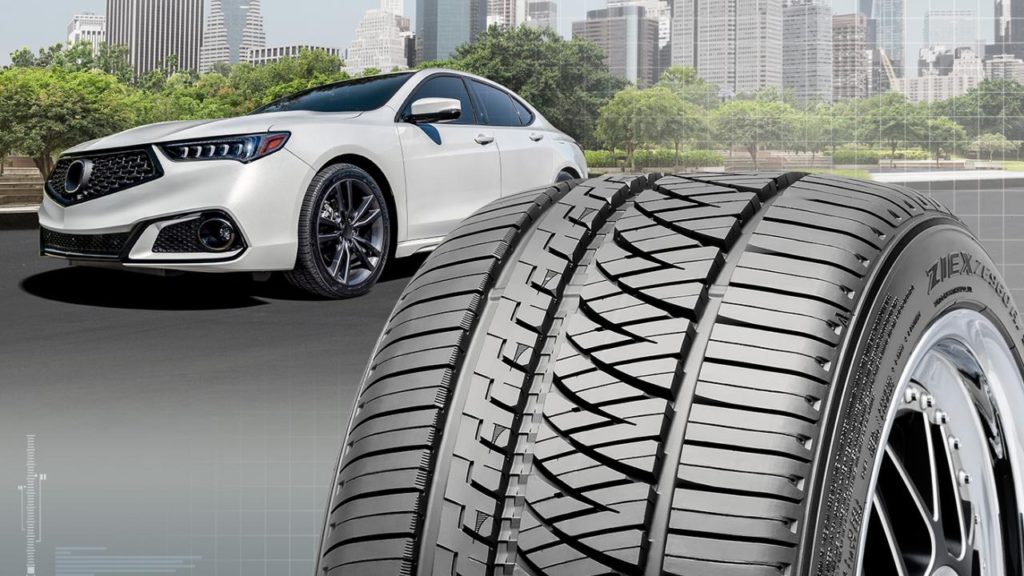
A tire load rating tells you how much weight each tire can carry at a specified pressure. It is one of the most important numbers on the sidewall, yet many buyers ignore it. This guide explains how to read the rating and match it to your vehicle.
What a Tire Load Rating Means
The load index is a code that corresponds to a maximum load in pounds or kilograms. A higher number means the tire can carry more weight when inflated correctly. The rating is per tire, not for the whole car.
The vehicle manufacturer chooses a load rating for the car’s weight, axle distribution, and expected use. Replacing a tire with a lower rating can reduce the safety margin, even if the tire physically fits.
How to Read the Sidewall
Look for a sequence such as 225/45R17 94W. The 94 is the load index, and the W is the speed rating. The maximum load and pressure may also appear in small text elsewhere on the sidewall.
Do not confuse the load index with the maximum pressure. The pressure on the sidewall is a limit for the tire, while the door-jamb placard gives the pressure for the car.
Load Index vs Load Range
Load range letters such as SL, XL, or LT describe construction and application, not a direct weight. A light-truck tire may use a load range instead of a passenger-car index.
Mixing passenger and light-truck tires can change handling, ride, and load capacity. Use the vehicle’s placard and the tire manufacturer’s application guide together.
Matching Tires to Your Vehicle
Start with the size and load index on the door jamb or fuel door. If you change wheel size, keep the overall tire diameter close to stock and confirm the new load rating meets or exceeds the original.
A lower-profile tire may have a lower load index even when the size looks similar. Check the specification, not the appearance. Our tire care guide covers the related maintenance checks.
Why Overloading Is Dangerous
Overloading increases heat, sidewall flex, and stopping distance. It can also damage the tire internally before any external sign appears. A tire that is overloaded at highway speed is a blowout risk.
Passengers, cargo, and tongue weight all count. If you tow or carry heavy loads, check the vehicle’s Gross Vehicle Weight Rating and the axle limits, not just the tire rating.
Tire Load Rating and Inflation Pressure
A tire only carries its rated load at the correct pressure. Underinflation reduces capacity and raises heat, while overinflation can reduce grip and cause center wear. Use the placard for normal loads and adjust only as the manual allows.
Check pressure when the tires are cold. A tire that is hot from highway driving will read higher, so do not release air to match the cold specification.
Upgrades, Larger Tires and Ratings
Larger wheels and tires can look great but may reduce load capacity or clearance. A heavier tire also changes unsprung mass and fuel economy. Confirm the load rating and clearance before buying.
Our tire buying guide explains fitment. If the new tire has a lower rating than the original, do not use it on a heavy vehicle or a towing setup.
When to Ask a Tire Professional
Ask for help if the placard is missing, the vehicle is modified, or you tow near the limit. A tire professional can compare the axle load, tire capacity, and inflation table.
The NHTSA tire safety page explains why the correct rating matters. Bring the vehicle weight and intended use to the conversation, not just the tire size.
Load Rating Mistakes That Cost Money
The first mistake is choosing a tire by size alone. A 225/45R17 can be built with different load and speed ratings, and the cheapest version may not match the car’s requirement. Check the tire load rating before you compare price.
Another mistake is assuming an XL tire is always better. Extra load capacity can add weight and stiffness, so use the rating the vehicle needs. A higher tire load rating is not a substitute for correct pressure.
Mixing tires with different load ratings on the same axle can create uneven handling. Keep the pair matched, and check the spare if the car has one. The tire load rating should be part of every tire purchase, not an afterthought.
How to Check a Used Tire
Read the sidewall and confirm the load index matches the vehicle. Check the date code, because an old tire may look new but have hardened rubber. Look for repairs, bulges, and uneven wear.
Ask why the tire was removed. A tire with a sidewall repair or a plug near the shoulder is not a bargain. If the load rating is lower than the original, walk away, even if the tread looks good.
Use a tread-depth gauge and inspect the inner sidewall. A used tire can hide impact damage that appears only at highway speed. When in doubt, choose a new tire with the correct tire load rating.
When you compare tires online, filter by the correct tire load rating before you sort by price. A cheap tire with the wrong rating is not a saving. The tire load rating is part of the safety specification, just like the size.
If you change wheels, confirm the new tire load rating with the wheel and tire manufacturer. A larger wheel does not automatically need a higher rating, but a heavier vehicle or a towing setup might. The tire load rating should match the actual load, not a guess.
Write the correct tire load rating on your phone or in the glovebox. When a tire fails, you will not have to guess the specification in a hurry.
Check the spare tire too. A temporary spare often has a different size, pressure, and speed limit, and it may not match the load rating of the road tires.
If the placard is missing, ask a dealer for the original specification before buying tires.
That one check takes only a minute.
Is a higher tire load rating always better?
Not always. A higher rating may be heavier and stiffer than the car needs. Match or exceed the original rating without going far beyond the vehicle’s requirements.
Can I use a lower load rating if I inflate the tire more?
No. Pressure does not make a lower-rated tire safe for a heavier load. The tire’s construction and rating set the limit.
Where is the correct tire load rating for my car?
Check the door jamb, fuel door, or owner’s manual. The placard lists the original size and load index for the vehicle.