


Table of Contents
BMW M4 Competition Convertible pairs a 503-horsepower soft-top with all-weather pace, and this BMW M4 Competition Convertible review tells you whether the drop-top M is worth the premium. The headline facts are simple: 0 to 60 mph in 3.6 seconds, a fabric roof that opens in 18 seconds, and a starting price of $86,300. Below are the full specifications, the honest pros and cons, and a buying verdict.
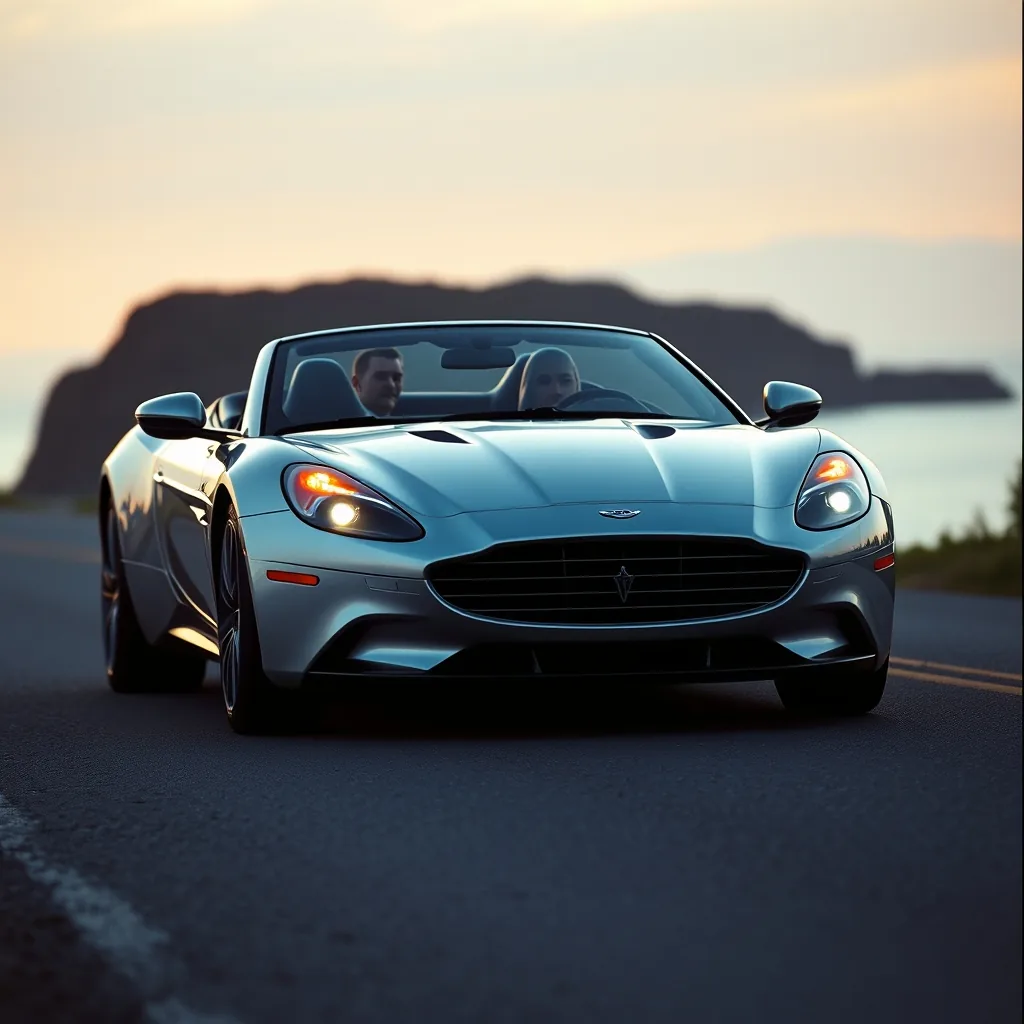
BMW M4 Competition Convertible Specifications
Every figure below comes from the manufacturer press release for the 2022 model year. The engine is the S58 3.0-liter twin-turbo inline-six with 503 hp at 6,250 rpm and 479 lb-ft from 2,750 to 5,500 rpm, paired with an 8-speed M Steptronic and M xDrive all-wheel drive. Studying this BMW M4 Competition Convertible specification table before visiting a dealer turns the test drive into a verification run: you already know what each mode, package, and option should deliver, so the salesperson cannot gloss over missing equipment. Print the table or save it to your phone for the dealership visit.
| Spec | Figure |
|---|---|
| Engine | S58 3.0L twin-turbo I6 |
| Power / torque | 503 hp / 479 lb-ft |
| 0–60 mph | 3.6 seconds |
| Top speed | 155 mph (174 with M Driver’s Package) |
| Gearbox / drive | 8-speed auto / M xDrive AWD |
| Roof | Soft-top, 18 seconds, 40% lighter than before |
| Curb weight | 4,306 lb |
| Trunk | 9.0 cu ft |
| Base price | $86,300 plus $995 destination |
For context, the drop-top weighs about 400 lb more than the coupe, yet the xDrive traction keeps the sprint identical at 3.6 seconds. The soft-top itself deserves praise: it opens or closes in 18 seconds at speeds up to 31 mph and cuts 40% of the old hardtop weight.
That diet frees 80 extra liters of trunk space, a difference you feel on weekend trips. Wind management with the windows up is genuinely calm at highway pace, and the standard neck warmers extend top-down season deep into autumn. Rivals to cross-shop include the Audi RS5 Cabriolet in our Audi RS4 Competition review, while the hardtop sibling debate lives in our BMW M3 CS guide. Full factory detail is in the official BMW press release.
Pros and Cons From a Buyer Perspective
On the road, the character splits cleanly by mode. Comfort delivers a quiet, composed cruiser with light steering and early upshifts. Sport sharpens throttle and exhaust without ruining the ride, while Sport Plus plus the 2WD mode gives experienced drivers the old-school rear-drive balance on demand. The 8-speed never hunts, and the brakes stay consistent through repeated hard stops. Even the steering weight feels honest, building naturally off-center instead of the artificial heft some rivals program in.

Pros: supercar pace with four usable seats; all-wheel-drive security in all seasons; a lighter, quieter soft-top with a bigger trunk than the old hardtop; strong residuals for M convertibles.
Cons: $86,300 base climbs fast with options; 4,306 lb dulls agility versus the coupe; cabin tech already one generation behind the newest iDrive; running costs (tires, brakes, insurance) fit a $90k car, not a $50k one.
Ownership Costs to Budget Before You Buy
Plan the budget beyond the sticker. A set of high-performance tires for staggered 19- and 20-inch wheels typically lasts 15,000 to 20,000 miles of mixed driving and costs well over $1,500 fitted. Brake pads and rotors wear faster than on a standard 4 Series, and insurance quotes regularly surprise first-time M buyers, so get a quote with your VIN before signing.
Routine servicing follows BMW condition-based intervals, with oil changes roughly yearly and major inspections alternating. The soft-top mechanism itself is low-maintenance, but keep the roof seals clean and operate the roof monthly year-round so the linkage never sits idle for a season. Owners who garage the car in winter should still cycle the top and use a battery maintainer. A fitted set of winter wheels transforms cold-weather confidence, and the all-wheel-drive system means properly tired examples commute happily through light snow where rear-drive rivals stay parked.
Fuel economy is honest for the output: expect high teens in mixed use, better on steady highway runs. The 15.6-gallon tank gives a realistic range of 250 to 300 miles. None of this disqualifies the car, but buyers stepping up from a $40,000 coupe should size the annual running budget at roughly twice what they pay today.
BMW M4 Competition Convertible Verdict: Who Should Buy
Buy it if you want one car that commutes top-down in summer and still launches to 60 in 3.6 seconds in winter rain. The BMW M4 Competition Convertible makes sense for drivers keeping the car 4-plus years who value the open-air experience over track-day sharpness. Skip it if you track often (take the coupe), need rear space (take the M3), or stretch the budget (a used 2021 convertible saves thousands).
Bottom line of this BMW M4 Competition Convertible review: the complete package justifies the premium over ordinary convertibles, but only with the right expectations. It is a grand tourer with supercar numbers, not a stripped track tool. Shop CPO examples with the Driver’s Package if the new-car math stings, insist on a pre-purchase inspection from a marque specialist, and budget the running costs above before you fall in love on the test drive.
How fast is the 2022 BMW M4 Competition Convertible?
It reaches 60 mph in 3.6 seconds with launch control, and tops out at 155 mph or 174 mph with the M Driver’s Package. The 503-horsepower six-cylinder and all-wheel-drive traction make it as quick as the coupe despite extra weight.
How much does the 2022 BMW M4 Competition Convertible cost?
Pricing starts at $86,300 plus a $995 destination charge. Popular options like the M Carbon buckets, laser lights, and Driver’s Package push typical builds past $95,000 before taxes.
Is the BMW M4 Competition Convertible reliable for daily driving?
The S58 engine has a solid record, and xDrive plus a usable trunk make year-round use realistic. Budget for M-level consumables: performance tires last roughly 15,000 to 20,000 miles and insurance runs well above average.