
Table of Contents
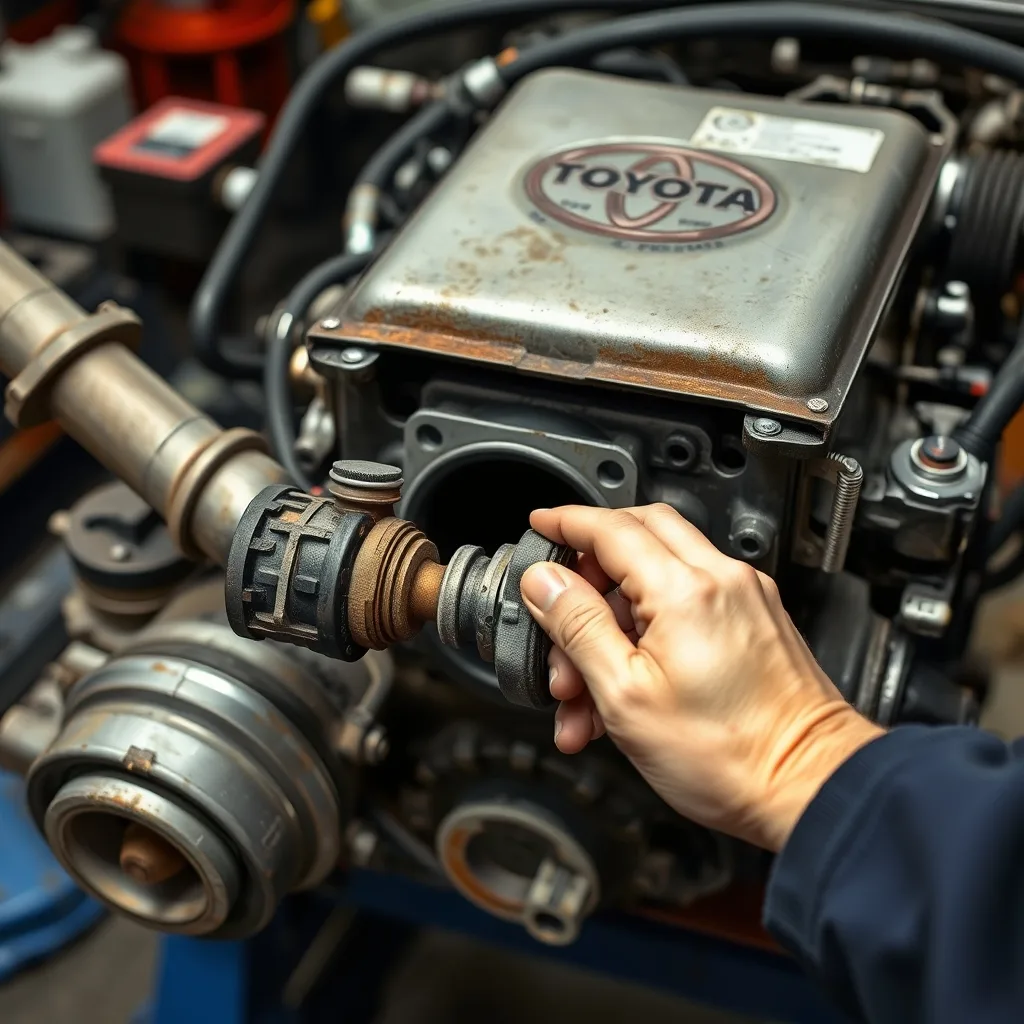
A Toyota Corolla idle air control valve controls the air that bypasses the closed throttle at idle. When it sticks or fails, the engine may idle rough, stall, or surge. This guide explains the symptoms, the diagnosis, and the cleaning or replacement steps for the idle air control valve.
What the Idle Air Control Valve Does
The idle air control valve lets a measured amount of air bypass the throttle plate when the engine is at idle. The engine computer moves the valve to hold a steady target RPM.
Without that bypass air, the engine would starve at idle and stall. The idle air control valve also compensates for load from the alternator, AC, and power steering.
On a Toyota Corolla, the valve is part of the idle control strategy. A dirty valve can cause a rough idle even when the rest of the engine is healthy.
Symptoms of a Fault
A failing idle air control valve often causes a low or rolling idle. The engine may stall when you come to a stop or surge when the AC engages.
Some drivers notice a check-engine light or a P0505 code. Others hear a hiss or a clicking sound near the throttle body.
A rough idle can also come from a vacuum leak, a dirty throttle body, or bad spark plugs. Do not assume the idle air control valve is the only cause.
Codes and Diagnosis
Scan the engine computer for stored and pending codes before replacing parts. A code that points to idle control is a starting point, not a final diagnosis.
Watch live data for target and actual idle speed. A large difference when the engine is warm points to an air-control problem.
Check the intake tube for cracks and the throttle body for carbon. A vacuum leak can mimic a failed idle air control valve and cost less to fix.
A smoke test is a fast way to find a vacuum leak that a visual check misses. A small leak at the intake gasket can cause the same rough idle as a dirty valve. Fix the leak before you clean or replace the valve.
Cleaning the Valve
Remove the valve only after the engine is cool and the battery is disconnected. Note the connector and the mounting orientation before removal.
Use throttle-body cleaner and a soft brush to remove carbon from the pintle and the passage. Do not soak the electrical side or force the pintle by hand.
A dirty idle air control valve may respond to cleaning, especially if the idle is erratic rather than completely wrong. Replace the gasket if it is hardened.
Do not spray cleaner into the intake while the engine is running. That can damage the MAF sensor and the catalytic converter. Remove the valve and clean it on the bench.
Testing the Circuit
Check the connector for corrosion and the wires for continuity. A broken ground or a chafed wire can stop the valve from moving.
On a stepper-motor valve, the windings can be checked with a meter. Compare the readings with the service spec before condemning the part.
If the valve receives power and the passage is clean but the idle does not change, the valve may be stuck internally. A scan tool can command the idle speed on some models.
Replacement Steps
Disconnect the battery and remove the intake parts needed for access. Unplug the idle air control valve and remove the fasteners.
Clean the mounting surface and fit a new gasket. Install the valve with the correct torque and reconnect the harness.
Start the engine and let it reach operating temperature. The idle should settle without a high flare or a stall.
Use a meter that can read duty cycle or pulse width if the valve is PWM-controlled. A simple test light is not enough for every design. Follow the service information for the correct pinout and values.
Check the idle speed with the AC on and off. A valve that cannot compensate will let the RPM drop when the compressor engages. That test is quick and does not require a road drive.
Relearn and Idle Reset
Some Toyotas need an idle relearn after the battery is disconnected or the valve is replaced. Follow the procedure in the service information.
A relearn may require the engine to idle with the AC off and the steering straight for several minutes. Do not touch the throttle during the process.
If the idle remains high or low, check for a vacuum leak and confirm the valve is the correct part. A Toyota diagnostics guide shows how systematic testing saves time.
Common Mistakes
The most common mistakes are replacing the valve without checking for vacuum leaks and forcing a carboned pintle. Both can damage the valve or waste money.
Using the wrong cleaner can attack the plastic and the seals. Use a product labeled for throttle bodies and idle control valves.
Do not overlook a dirty throttle body. A qualified mechanic can perform a relearn and confirm the repair.
Prevention and Service
Replace the air filter on schedule and keep the intake path clean. A clean throttle body reduces the carbon that reaches the idle air control valve.
If the car sits for long periods, drive it regularly to reach operating temperature. Short trips can leave deposits in the throttle body and the valve.
For model-specific specs, see the Toyota owner site. A smooth idle is a good sign that the idle air control valve and the rest of the air system are working together.
A dirty throttle body is a common companion to a dirty idle air control valve. Clean both, then perform the relearn. If the idle is still unstable, recheck the intake for cracks and the PCV system for leaks.
If the car has a throttle cable, check the cable adjustment and the throttle plate return. A sticky cable can cause a high idle that looks like a valve fault. Fix the simple mechanical issue first.
Bottom Line on the Idle Air Control Valve
A rough idle on a Toyota Corolla can come from a dirty or failed idle air control valve, but vacuum leaks and carbon are just as common. Diagnose before replacing the part.
Clean the valve, test the circuit, and perform the relearn if needed. A careful repair restores a steady idle and avoids a repeat visit.
Quick Checklist
- Scan for codes and watch idle data.
- Check for vacuum leaks.
- Clean the valve and throttle body.
- Perform the idle relearn.
Can a dirty idle air control valve cause stalling?
Yes. If the valve cannot supply enough bypass air, the engine may stall when you close the throttle or when the AC loads the engine at idle.
Can I clean the idle air control valve myself?
Often yes, if you use the correct cleaner and avoid forcing the pintle. Remove the valve, clean the carbon, and replace the gasket if it is hard.
How much does an idle air control valve cost?
The part varies by model, often from $40 to $200. Diagnosis and labor can add to the bill, especially if a relearn is required.

Punta Dewa is a senior automotive writer at Daily Car Care specializing in OEM repair procedures and cost-transparent maintenance. 6+ years, 150+ guides. Method: OEM manuals, TSB/recall database, and owner data. Author of 1,573 car-care guides since 2022.