
Table of Contents
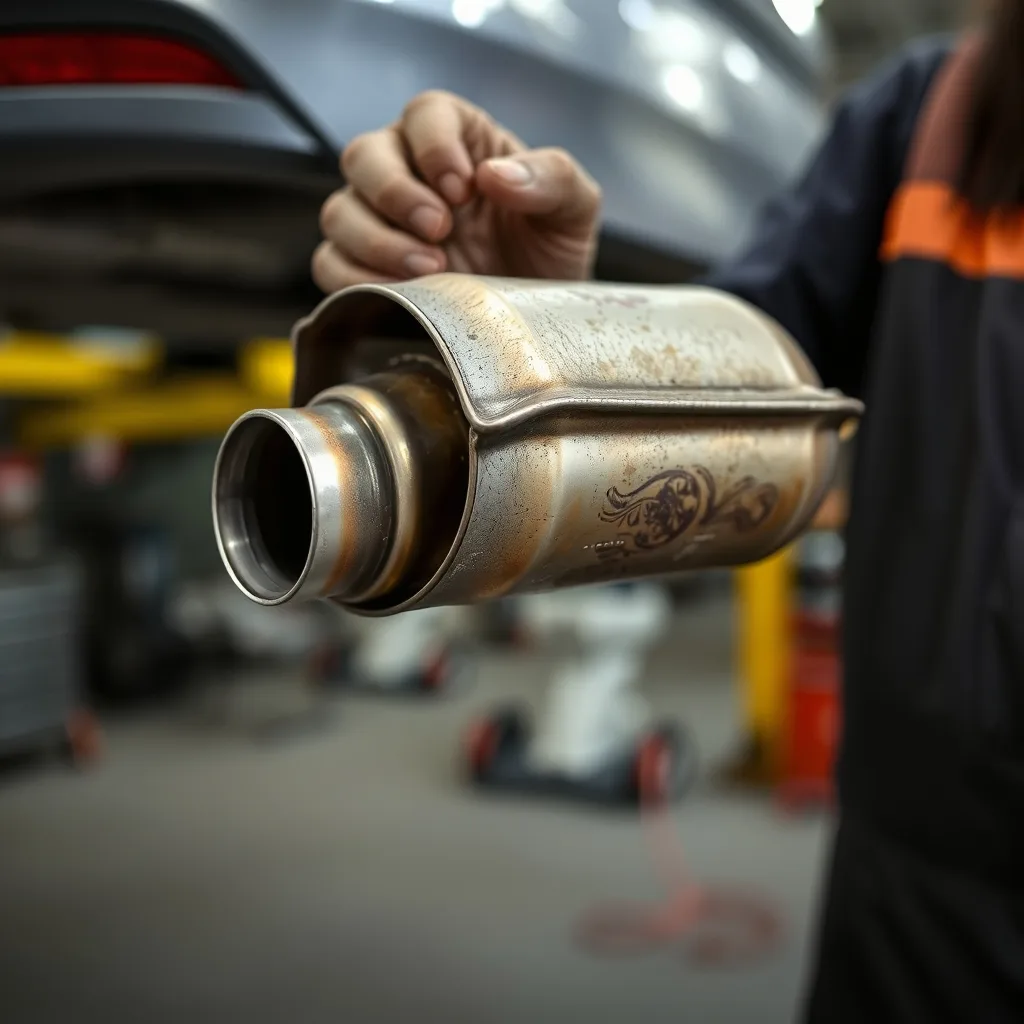
Catalytic converter replacement is one of the more expensive exhaust repairs, but it is not always the right first step. A converter can fail because of an engine problem, and replacing it without fixing the cause will damage the new one. This guide explains the signs and the options.
What the Catalytic Converter Does
The converter uses a catalyst to turn harmful exhaust gases into less harmful ones. It needs a correct air-fuel mixture and a healthy engine to work.
When the converter is contaminated or overheated, it can no longer clean the exhaust. The result is a check-engine light and, sometimes, a failed emissions test.
A catalytic converter replacement is not a maintenance item; it is a repair for a failed emissions component. The converter should last the life of the car when the engine is healthy.
Sign of a Failing Converter: Check-Engine Light
A P0420 or P0430 code is common. It means the computer sees the converter performing below threshold. The code does not prove the converter is bad.
An exhaust leak, a bad oxygen sensor, or an engine misfire can set the same code. Diagnose the cause before buying a converter.
A P0420 code can be caused by an exhaust leak before the sensor. Check the gaskets and pipes before replacing the converter.
Sign: Rotten Egg Smell
A sulfur smell can indicate a rich mixture or a converter that is overheating. It may also come from the fuel itself.
Do not ignore a strong smell. A rich-running engine can destroy a new converter in a short time.
A rich mixture can melt the substrate. A leaking injector or a stuck thermostat can be the root cause, so fix those first.
Sign: Rattling or Power Loss
A broken catalyst substrate can rattle at idle or block the exhaust. A blocked converter causes power loss and poor fuel economy.
A backpressure test can confirm a restriction. A rattling converter is usually beyond repair.
A rattling noise may be a loose heat shield rather than a broken converter. Inspect the shield and the mounts before replacing the part.
Why Converters Fail
Misfires, a leaking injector, burning oil, and a failed oxygen sensor can contaminate the catalyst. Physical damage from road debris or theft can also end its life.
Fix the root cause first. Our guide to the most expensive car repairs explains why exhaust work is expensive.
Oil burning and coolant consumption can poison the catalyst. A compression test and a cooling-system pressure test can reveal the source.
Cleaning and Repair Options
Some shops offer catalytic converter cleaning, but it cannot restore a physically damaged or melted substrate. It may help a lightly contaminated unit.
A used converter is risky and may be illegal to install in some places. Check local rules before buying.
Cleaning may help a lightly contaminated converter, but it is not a cure for physical damage. Ask for evidence before paying for a cleaning service.
Replacement Choices
Aftermarket converters vary in quality and warranty. A direct-fit unit is easier to install, while a universal unit may need welding and may not meet emissions rules.
Ask whether the part is legal for your state and whether the warranty covers labor. Keep the receipt for emissions testing. A good mechanic can match the part to your car.
A direct-fit converter is easier to install and more likely to meet emissions rules. A universal unit may require welding and may not be legal everywhere.
Cost of Catalytic Converter Replacement
Replacement can cost $1,000 to $3,000, with dealer parts at the high end. Theft repairs add labor and sometimes body damage.
Prevention is cheaper: fix misfires, use the right fuel, and avoid short trips that leave the converter cold. The EPA vehicles and engines page explains emissions requirements.
A replacement converter should be protected by fixing the engine first. Keep the receipt and the warranty information for future emissions testing.
Protecting a New Converter
Repair any oil burning, coolant leak, or misfire before installation. Use the specified fuel and avoid additives that claim to clean the converter.
A new converter should last many years if the engine is healthy. If the code returns, diagnose the engine rather than replacing the converter again.
Ask the shop to perform a before-and-after backpressure test. That confirms the catalytic converter replacement solved the restriction.
Bottom Line on Catalytic Converter Replacement
Catalytic converter replacement is sometimes necessary, but the converter is often a victim of another fault. Fix misfires, oil burning, and rich mixtures before installing a new unit.
Confirm the diagnosis with a scan tool and a backpressure test. A catalytic converter replacement based only on a code can waste money and leave the real problem in place.
Choose a legal, warrantied part and keep the receipt. A catalytic converter replacement should restore emissions performance for years when the engine is healthy.
Quick Checklist
- Read P0420 or P0430 codes.
- Check for exhaust leaks.
- Test backpressure.
- Repair the root cause first.
A catalytic converter replacement should be the last step, not the first. If the engine has a misfire, an oil leak, or a rich mixture, the new part can be damaged in a short time. Diagnose the cause and repair it before you authorize a catalytic converter replacement.
Ask the shop to record the before-and-after backpressure readings. That paperwork proves the catalytic converter replacement solved the restriction and gives you a baseline for future emissions tests.
Keep the repair receipt and the emissions test result together. If the light returns, the documentation helps a shop compare the new readings with the baseline.
A converter that is replaced under warranty may require proof of the original diagnosis. Ask what the warranty covers and how long it lasts before you approve the work.
Ask whether the replacement is direct-fit or universal. A direct-fit converter is usually easier to install and more likely to meet local emissions rules. Keep the part number with your records. A warranty that covers the part but not the labor still leaves you paying for the install.
How do I know if my catalytic converter is bad?
Common signs are a P0420 code, a rotten egg smell, rattling, power loss, and failed emissions tests. Confirm with a scan tool and a backpressure test.
Can I drive with a bad catalytic converter?
Short distances may be possible, but a clogged converter can cause overheating and power loss. Fix the cause promptly.
Is a used catalytic converter a good idea?
It can be cheaper, but condition is unknown and local rules may restrict it. A new aftermarket unit with a warranty is usually safer.
Punta Dewa is a senior automotive writer at Daily Car Care specializing in OEM repair procedures and cost-transparent maintenance. 6+ years, 150+ guides. Method: OEM manuals, TSB/recall database, and owner data. Author of 1,573 car-care guides since 2022.