
Table of Contents
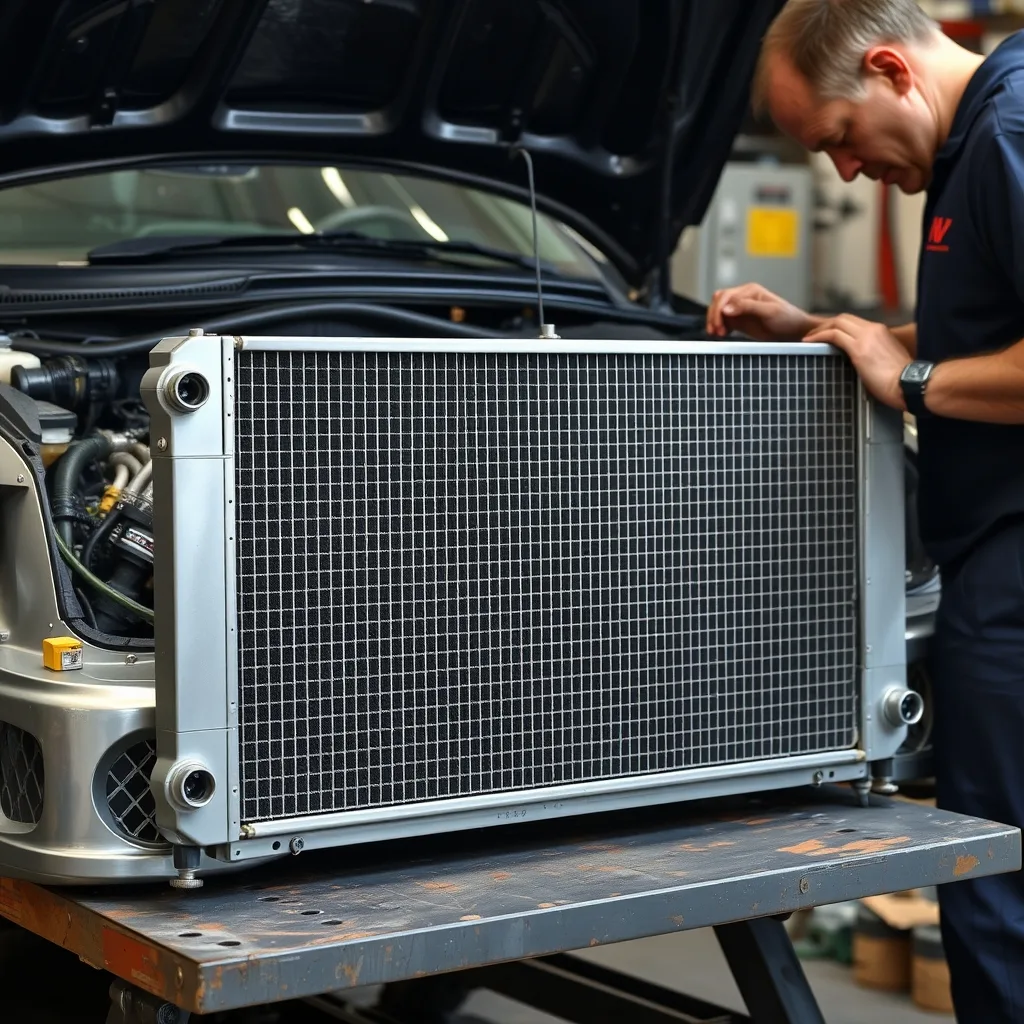
Choosing a radiator replacement part is a budget decision with real risks. A radiator that looks fine can be clogged, cracked, or close to failure. This guide compares cost, warranty, fitment, and the cases where a used unit is reasonable.
Price: The Obvious Difference
A used radiator often costs $40 to $120, while a new aftermarket unit may cost $100 to $300. A dealer radiator can cost much more.
The lower price is real, but it does not include the risk of a second failure. If a used radiator fails, you may pay for labor twice.
A radiator replacement decision should include the cost of coolant, hoses, and labor. The cheapest part is not the cheapest repair.
Warranty and Return Policy
A new radiator usually comes with a warranty, often 1 to 2 years. A used radiator may have a short return window or no warranty at all.
Ask about the return policy before buying. A used part with no warranty is a gamble, especially on a car you depend on.
A warranty that covers only the part, not the labor, leaves you paying twice if the used radiator fails. Read the terms before buying.
Condition and History
A used radiator may have been exposed to overheating, contaminated coolant, or a collision. Internal corrosion is hard to see from the outside.
Ask for the donor vehicle’s mileage and reason for removal. Inspect the tanks, fins, and hose necks for cracks. A pressure test is better than a visual check.
Look for bent fins, cracked tanks, and repaired hose necks. A radiator that has been repaired may fail again under pressure.
Fitment and Part Numbers
Radiators vary by engine, transmission, and trim. A used unit from a similar model may not fit or may have the wrong cooler.
Compare part numbers and measure the core. Do not force a radiator into place or adapt hoses with sealant. Our service guide explains why cooling-system repairs matter.
A radiator for an automatic transmission may include a cooler, while a manual car may not. Confirm the part number and the fittings.
When a Used Radiator Makes Sense
A used radiator can be reasonable for an older car with a known-good donor, a temporary repair, or a project vehicle. It is a poor choice for a daily driver with a warranty or a long trip ahead.
If the price difference is small, choose new. The labor and downtime usually outweigh the savings.
A used radiator can be a reasonable temporary fix if the car is old and the donor is known. It is a poor choice for a daily driver.
Cooling System Health
A radiator is part of a system. A failing water pump, a stuck thermostat, or a leaking hose can cause the new radiator to fail too.
Flush the system and replace the thermostat and cap if they are old. Use the specified coolant, not a universal mix.
A cooling system that is not flushed can contaminate a new radiator. Replace the thermostat and cap if they are due.
Installation and Bleeding
Trapped air can cause overheating after a radiator replacement. Follow the bleed procedure for your engine and check the level after the first drive.
Use new clamps and inspect the hoses. A qualified mechanic can pressure-test the system and confirm there are no leaks.
Bleeding the cooling system is essential after installation. Air pockets can cause hot spots and false overheating.
Cost Over the Long Term
A new radiator with a warranty may cost more up front but less over five years. A used unit can be a false economy if it fails in traffic.
Budget for coolant, hoses, and labor as part of the job. The fueleconomy.gov maintenance guide explains the value of a healthy cooling system.
A new radiator may cost more, but it usually lasts longer and carries a warranty. For a radiator replacement decision, consider the total cost over time.
A Simple Decision Rule
Buy new for a daily driver, a vehicle under warranty, or a car you plan to keep. Consider used only for a temporary fix or a project with a trusted donor.
Either way, fix the cause of the original failure. A radiator that failed from overheating will fail again if the engine problem is not repaired.
If the original radiator failed from overheating, repair the engine problem first. Otherwise, the replacement may fail for the same reason.
Bottom Line on Radiator Replacement
Radiator replacement is a cooling-system repair, not just a part swap. A radiator replacement part can save money, but only when the used unit passes a pressure test and fits correctly.
For a daily driver, a new radiator with a warranty is usually the better radiator replacement choice. For a project car, a known-good radiator replacement decision may favor the used part.
Whichever you choose, fix the cause of the original failure and bleed the system. A radiator replacement is only reliable when the rest of the cooling system is healthy.
Quick Checklist
- Pressure-test a used radiator.
- Compare part numbers and cooler fittings.
- Replace the thermostat if due.
- Bleed the cooling system.
A radiator replacement on a car with a plastic-tank radiator can fail at the crimp if the system is over-pressurized. Replace the cap and check the head gasket before blaming the new radiator. A radiator replacement is only as good as the system around it.
If you choose a used part, pressure-test it before installation. A pressure test takes only a few minutes and can prevent a second repair. A failed used radiator can cost more in labor than the new part would have cost.
Check the radiator hoses and clamps while the system is apart. A old hose can fail soon after a radiator replacement and cause a repeat overheating event.
Use the specified coolant and mix it correctly. The wrong coolant can corrode the radiator and water pump.
Inspect the mounting brackets and rubber isolators. A broken mount can crack a new radiator or rub a hose through. Replace any hose that feels soft or cracked, and use new clamps.
Is a used radiator safe?
It can be safe if it passes a pressure test and has no cracks or corrosion. Without testing, the risk of a leak or clog is significant.
How long does a new radiator last?
A quality radiator can last 8 to 10 years or more with the correct coolant and a healthy cooling system.
Should I replace the thermostat with the radiator?
It is often wise on an older car. A stuck thermostat can overheat the engine and damage the new radiator.

Punta Dewa is a senior automotive writer at Daily Car Care specializing in OEM repair procedures and cost-transparent maintenance. 6+ years, 150+ guides. Method: OEM manuals, TSB/recall database, and owner data. Author of 1,573 car-care guides since 2022.