
Table of Contents
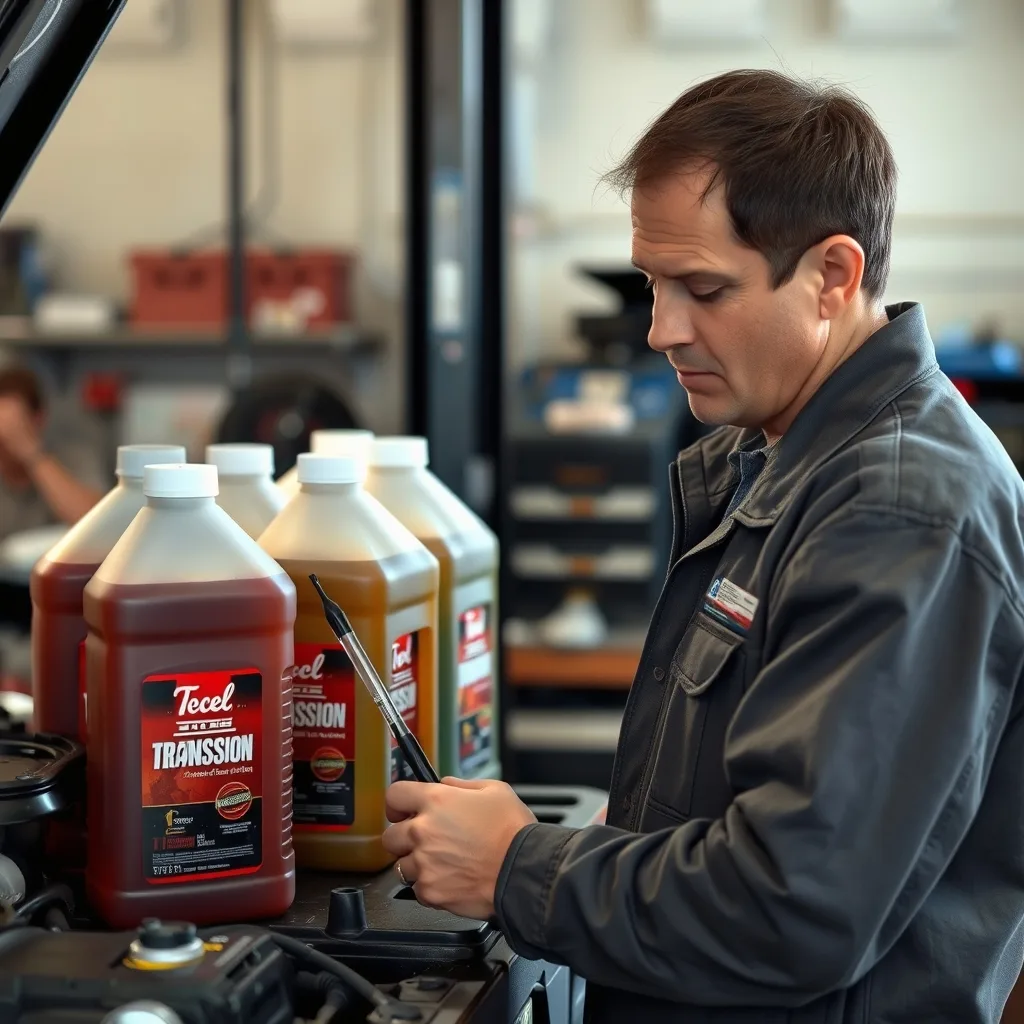
Transmission fluid lubricates, cools, and provides hydraulic pressure for shifting. The wrong fluid or a missed change can cause slipping, shudder, and expensive damage. This guide explains the types, the warning signs, and the safe way to check and change it.
What the Fluid Does
In an automatic, transmission fluid transmits power through the torque converter and operates the valve body. It also carries heat away from the clutches and gears.
In a manual, gear oil lubricates the gears and synchros. In a CVT or dual-clutch, the fluid is formulated for a specific belt, chain, or clutch design.
Heat breaks down the fluid and changes its friction properties. A cooler can help if you tow.
Types of Transmission Fluid
Automatic transmission fluid, CVT fluid, and dual-clutch fluid are not interchangeable. Each has a different friction modifier package and viscosity.
Use the specification in the owner’s manual, not a “universal” fluid. The wrong transmission fluid can cause shudder, harsh shifts, or clutch damage.
CVT fluid is often specific to the manufacturer. Using the wrong fluid can cause belt slip and shudder.
Heat is the main enemy of automatic transmission fluid. A cooler that is clogged or a radiator that is low on coolant can cook the fluid long before the mileage interval. If the dipstick smells burned, have the transmission checked instead of simply topping it up. A fluid service cannot undo damage from overheating.
Signs of Bad Fluid
Dark or burned fluid, a slipping transmission, delayed engagement, or a shudder can indicate degraded fluid. A leak can cause low pressure and overheating.
A burned smell is serious. It often means the fluid has been overheated and the transmission may already have internal damage.
A dark fluid with a burned smell is a warning. Have the transmission inspected before a long trip.
Checking the Level
Some cars have a dipstick, while others require a plug and a specific temperature procedure. Follow the manufacturer’s method exactly.
Overfilling can cause foaming and leaks, while underfilling causes slipping. Check the fluid when the car is level and at the specified temperature.
Some cars require a scan tool to read the fluid temperature. Follow the procedure to avoid an incorrect level.
CVT fluid is often specific to the manufacturer. Using the wrong fluid can cause belt slip, shudder, and a costly failure. Check the owner’s manual or the label on the pan before you buy. A transmission fluid that meets the wrong spec is worse than a fluid that is slightly old.
Change Interval
Many manufacturers list a transmission fluid interval for normal and severe service. Towing, city traffic, and heat call for the severe schedule.
Do not assume the fluid is lifetime. “Lifetime” usually means the warranty period, not the life of the car.
A transmission that is low on fluid may hesitate when cold. Check for leaks after the car sits overnight.
Drain and Fill vs Flush
A drain and fill replaces only part of the fluid, so it may need to be repeated. A flush exchanges more fluid but can dislodge debris on a neglected transmission.
On a high-mileage car with unknown history, a gentle drain and fill is often safer than a power flush. Ask the shop which method it uses.
A drain and fill is gentle and repeatable. A flush is not a substitute for diagnosing a slipping transmission.
The fluid level procedure matters as much as the fluid itself. Many cars require a scan tool to read the temperature, and the level is set with the engine running. Overfilling can cause foaming and leaks, while a low level can cause slipping. Follow the transmission fluid check procedure for your model exactly, and remember that a cold check is not a substitute for the warm procedure on most modern units.
Common Mistakes
Using the wrong fluid, overfilling, and ignoring a leak are common mistakes. Another is adding a stop-leak product that can clog the valve body.
Do not mix fluids to top up. If the level is low, find the leak and use the correct transmission fluid.
Do not use engine oil or a generic hydraulic fluid. The friction modifiers are different.
Cost and Prevention
A fluid service is far cheaper than a rebuild. The exact cost depends on the fluid type and the procedure.
Fix leaks early and service the transmission on schedule. Our automatic transmission problems guide explains the symptoms. A service schedule helps you plan.
A fluid service does not fix worn clutches. If the transmission slips, a rebuild may be the only real repair.
A drain and fill is gentle and repeatable, and it is the right choice for a high-mileage car with unknown history. A flush can dislodge debris and block a passage, so ask what the shop plans to do. If the transmission already slips, a transmission fluid change will not fix worn clutches. Diagnose the slip first, and ask for the old fluid to be shown to you.
When to See a Specialist
See a specialist if the fluid is burned, the transmission slips, or a warning light is on. A scan tool can check pressure and codes.
The fueleconomy.gov maintenance guide covers general service. Do not let a quick fluid change delay a needed diagnosis.
Keep the receipt and the mileage. A transmission fluid record helps at resale and during warranty claims.
Keep the receipt and the mileage. A transmission fluid record helps at resale and during a warranty claim, and it shows that you followed the schedule. If a shop recommends a flush, ask for the reason in writing before you agree. That paper trail is worth more than a verbal promise.
Bottom Line on Transmission Fluid
Transmission fluid is a critical part of the drivetrain, not a lifetime fill in most cases. Use the correct type and follow the severe-service interval if you tow or drive in traffic.
Check for leaks and address slipping early. A simple fluid service can prevent a much larger repair when it is done at the right time.
Quick Checklist
- Confirm the fluid specification.
- Check the level at the correct temperature.
- Fix leaks before topping up.
- Choose drain and fill or flush carefully.
How often should transmission fluid be changed?
Follow the owner’s manual, often every 30,000 to 60,000 miles for severe service. Some cars have a longer interval but still benefit from inspection.
Can I mix transmission fluids?
No. Mixing different specifications can change friction and cause shifting problems. Use the fluid specified for your transmission.
Does a transmission flush fix slipping?
Not usually. If the clutches are worn, fresh fluid will not repair them. A flush can also worsen a neglected transmission by dislodging debris.

Punta Dewa is a senior automotive writer at Daily Car Care specializing in OEM repair procedures and cost-transparent maintenance. 6+ years, 150+ guides. Method: OEM manuals, TSB/recall database, and owner data. Author of 1,573 car-care guides since 2022.