
Table of Contents
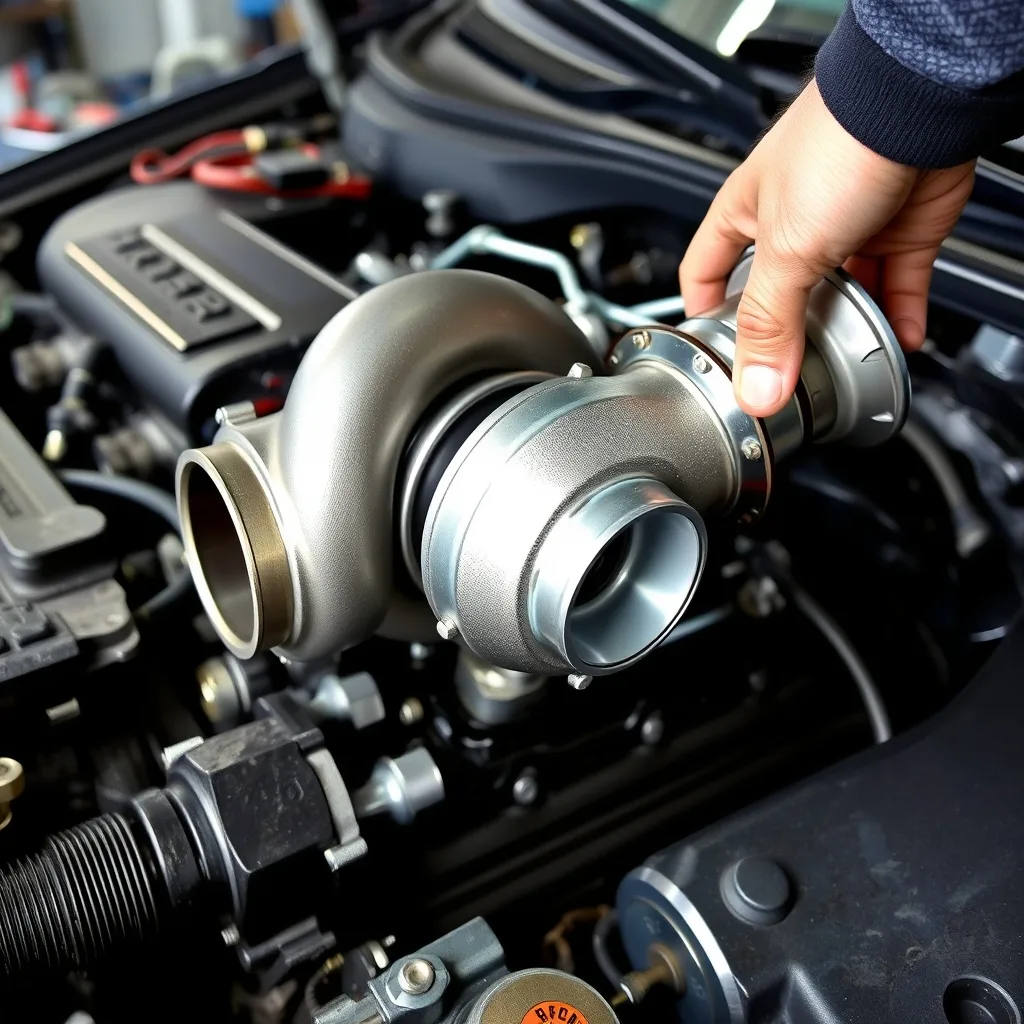
A dump valve releases turbo boost pressure when the throttle closes, protecting the compressor and creating a distinctive sound. This guide explains how a dump valve works, the difference between vent-to-atmosphere and recirculating designs, and what to check before installing one.
What a Dump Valve Does
A dump valve is a pressure-release valve fitted between the turbocharger and the throttle body. When the throttle closes, the valve opens and lets compressed air escape before it can slam back into the compressor.
That release prevents compressor surge, a chatter that stresses the turbo bearings. A dump valve does not add power by itself; it manages pressure that is already there.
On a tuned engine, the dump valve also helps the turbo stay spinning between shifts. The result is better response when you get back on the throttle, provided the valve is set up correctly.
How It Works With a Turbo
The valve uses a vacuum or boost signal to know when to open. A spring holds it closed under boost, and manifold vacuum pulls it open when you lift off.
A dump valve must match the engine boost range. Too soft a spring can leak boost, while too stiff a spring may not open fast enough to stop surge.
The signal source matters as much as the spring. A dirty or restricted vacuum line can delay the valve and cause flutter under light throttle.
Types: Atmospheric vs Recirculating
An atmospheric blow-off valve vents air to the outside, which produces the familiar whoosh. A recirculating valve routes air back into the intake, keeping the system quiet.
Cars with a mass airflow sensor often run better with a recirculating dump valve. Venting metered air can cause a rich condition and a rough idle.
Choose the type that matches the fuel system and the sound you want. If the car uses a speed-density system, an atmospheric valve is less likely to cause trouble.
A recirculating valve is quieter and keeps the intake charge consistent. It is the better choice for a daily driver with a mass airflow sensor. If you want the sound, accept that the tune and the metering method must match the valve.
A cheap valve with a weak diaphragm can fail within a year. Read reviews for the specific engine and boost level. The brand matters less than the support and the correct spring.
What It Sounds Like
The sound of a dump valve depends on boost pressure, valve size, and how the air is released. A small valve on low boost gives a short chirp, while a large valve can produce a loud whoosh.
Some drivers chase the sound and forget the tune. A dump valve that is too loud may be venting air the engine needs, which can hurt response.
Listen for flutter or a metallic rattle instead of a clean release. Those sounds can point to a spring mismatch or a valve that is not opening fully.
Benefits and Tradeoffs
A dump valve can reduce surge, protect the turbo, and sharpen response after a shift. It also gives the driver audible feedback about boost.
The tradeoffs include possible rich running on metered-air cars, extra maintenance, and legal or warranty questions on a modified engine.
On a stock car, the factory diverter valve is usually adequate. A dump valve makes more sense when boost is raised and the original valve cannot keep up.
Installation Basics
Installation usually involves removing the factory diverter valve and fitting an adapter. The location must allow the valve to vent safely away from heat and moving parts.
Use the correct gasket and tighten the fasteners evenly. A leak at the flange can cost boost and make the valve seem faulty.
Route the vacuum line away from the exhaust and sharp edges. Secure it with clips so it cannot rub through or pop off under boost.
Check the flange surface for flatness before you bolt on the adapter. A warped flange or a doubled gasket can leak under boost and cause a whistle. Use a straightedge and a new gasket, then retorque after the first heat cycle.
A boost leak tester can pressurize the intake and reveal a leak at the valve flange or the hose. Listen and use soapy water for small leaks. Fix the leak before you adjust the spring.
Tuning and Spring Selection
Spring selection depends on idle vacuum and peak boost. The valve must stay closed at idle and open quickly when the throttle closes.
A tuner can log boost and valve behavior to confirm the spring is right. Without logs, drivers often chase a sound instead of solving a surge problem.
Adjustable valves let you change preload, but small changes matter. Test each setting and check for leaks before making another change.
Common Problems
A dump valve that leaks causes low boost, poor idle, and a check-engine light on some cars. A valve that sticks closed can leave surge and a chirping turbo.
Diaphragms wear out, springs lose tension, and cheap valves can seize. Rebuild kits are available for better brands, but a failed seal often means replacement.
Diagnose with a boost leak test and a vacuum gauge before replacing the valve. The fault may be a line, a check valve, or the diverter signal.
Maintenance and Legal Notes
Check the valve and its lines at every oil change. Clean the filter on an atmospheric valve if it has one, and replace worn vacuum hose.
Emissions rules vary by state, and venting metered air can be illegal. Keep the stock parts if you need to return the car to a compliant configuration.
For turbo basics, see this turbocharger guide. This cold air intake guide explains related tradeoffs, and the Garrett technical library covers compressor surge.
Keep the receipt and the part number in case you need a rebuild kit. Clean the valve body with a soft cloth and avoid solvent on the diaphragm. A small amount of maintenance prevents a stuck valve and a boost leak.
Store the stock diverter valve if you still have it. A future owner or an emissions inspection may need the original part. Label the hardware so the swap is quick.
Bottom Line on Dump Valves
A dump valve protects the turbo from surge and gives useful feedback, but only when it matches the engine and the tune. Choose the type carefully and test for leaks after installation.
If you are chasing a sound, remember that drivability and reliability come first. A properly set dump valve supports boost without creating new problems.
Quick Checklist
- Match the valve to the fuel system.
- Use the correct spring for idle vacuum and boost.
- Check the vacuum line routing.
- Test for boost leaks after installation.
Is a dump valve bad for the engine?
Not when it is matched to the boost and fuel system. A leaking or incorrectly sprung dump valve can cause rich running, low boost, or surge, so setup matters.
Does a dump valve add horsepower?
No. It manages pressure and can improve response, but it does not create additional power. Gains come from tuning, airflow, and fuel, not the valve alone.
Can I install a dump valve on a stock car?
Yes, but the factory diverter is usually sufficient. If you install one, choose a recirculating design on mass-airflow cars and keep the stock parts for emissions testing.

Punta Dewa is a senior automotive writer at Daily Car Care specializing in OEM repair procedures and cost-transparent maintenance. 6+ years, 150+ guides. Method: OEM manuals, TSB/recall database, and owner data. Author of 1,573 car-care guides since 2022.