
Table of Contents
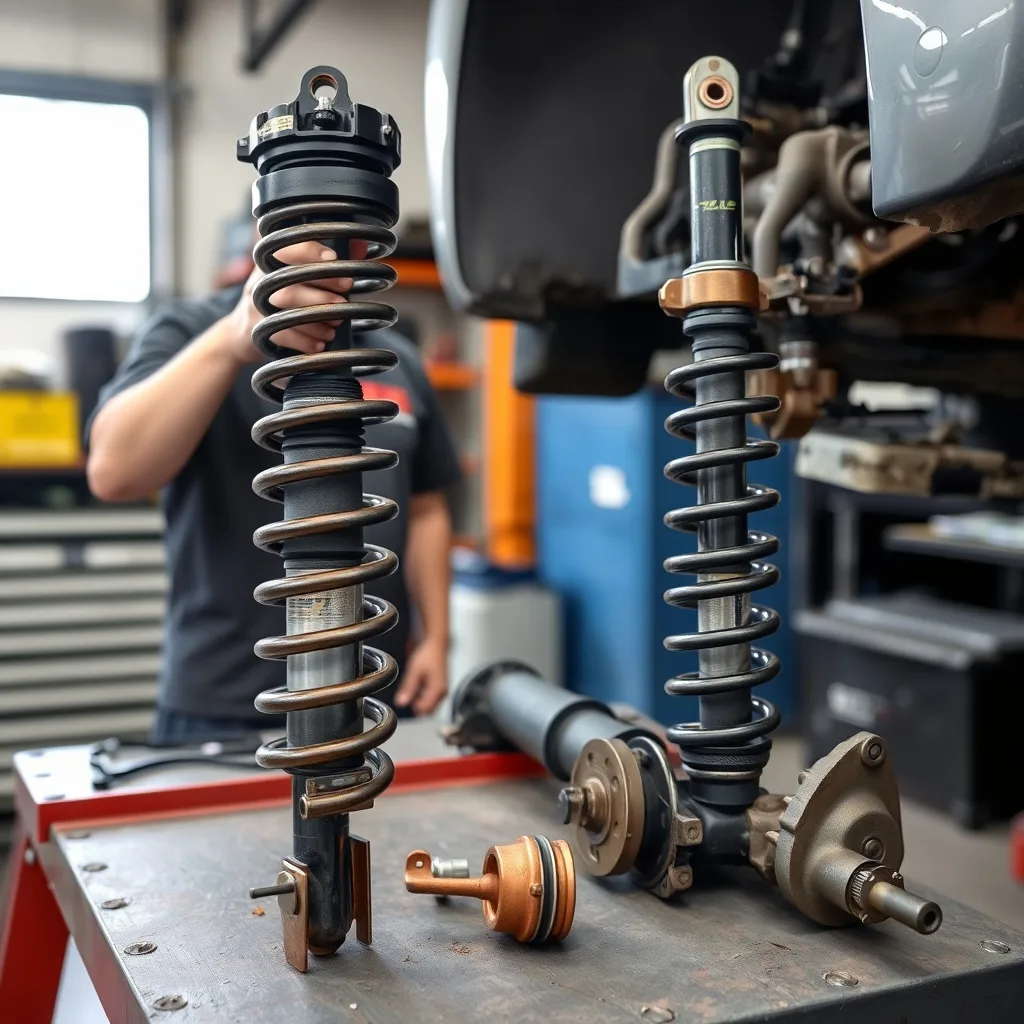
Shock absorbers control the movement of the springs and keep the tires in contact with the road. The wrong set can make a car float, bottom out, or feel harsh. This guide explains how shock absorbers work, the types available, and how to choose the right set for your driving.
What Shocks Do
A shock absorber converts spring motion into heat through a piston and oil. It does not support the weight of the car; the springs do that.
Good dampers keep the body stable over bumps and help the tires stay planted during braking and cornering.
Worn shocks increase stopping distance and make the car feel unsettled. That is why shock absorbers are a safety part, not just a comfort item.
Signs They Are Worn
A car that bounces more than once after a bump may need shock absorbers. Leaking oil on the body is another clear sign.
Cars with worn shocks can cup the tires, nose-dive under braking, and feel loose in crosswinds. Uneven tire wear is a clue.
A clunk over bumps can come from a worn mount or a failed shock. Inspect the mounts and the springs before replacing parts.
A shock absorber that is soft on one side can make the car feel unstable in a quick lane change. Compare the left and right sides during a test drive. A pull or a wandering feel can also come from alignment or tire issues, so check those first.
Types: Twin-Tube vs Monotube
Twin-tube shock absorbers are common on passenger cars. They are comfortable and less expensive, but they can fade under hard use.
Monotube dampers use a high-pressure gas charge and a single tube. They resist fade better and are common on performance and off-road vehicles.
For daily driving, a quality twin-tube is often enough. Choose monotube dampers if you tow, drive on rough roads, or want more consistent control.
A worn shock absorber can also make the tires wear in a cupped pattern. That wear is expensive and does not go away after the shocks are replaced. Inspect the tires before and after the repair.
Gas vs Hydraulic
Most modern shock absorbers are gas-charged to reduce foaming and improve response. The gas is not a load-support device.
A hydraulic shock without gas can still work, but it may fade sooner under repeated hard use.
Do not confuse a gas charge with an air spring. A gas shock will not raise a sagging car or increase payload capacity.
A gas charge helps the shock absorber resist foaming, but it does not change the spring rate. If the car sags when loaded, the springs or the suspension geometry need attention. Do not use shocks to fix a load problem.
Choosing by Driving Needs
For a commuter car, prioritize comfort and a stock ride height. A mild upgrade can improve control without making the ride harsh.
For towing or hauling, choose shock absorbers designed for the load and consider helper springs or air bags. The shocks control motion; they do not add capacity.
For off-road use, choose a set with the right travel and damping for the terrain. A lift kit may require longer shock absorbers and other changes.
Fitment and Quality
Match the shock absorbers to the vehicle, the ride height, and the mounting style. A universal part that does not fit correctly can be dangerous.
Brand and warranty matter. A cheap shock absorber may lose damping quickly and cost more over time.
Ask whether the set is designed for the original springs. Changing springs without matching the damping can hurt handling.
A quality shock absorber is matched to the vehicle weight and the spring rate. A part designed for a different model may bolt on but perform poorly. Buy from a seller who can confirm the fitment by VIN.
Installation and Alignment
Shock replacement often requires compressing or supporting the suspension. Use the correct tools and follow the torque specs.
An alignment is usually needed after suspension work. A car that pulls or has an off-center steering wheel should be checked.
Replace dampers in pairs on the same axle. Mixing a worn shock with a new one can cause uneven handling.
A shock absorber that is too stiff can make the car skip over bumps and lose contact with the road. A soft one can bottom out and feel floaty. Match the damping to the spring and the load, not just the brand.
Testing and Replacement Pairs
A bounce test is a rough check, not a diagnosis. Push down on a corner and release; more than one bounce suggests worn damping.
Inspect for leaks, damaged boots, and loose mounts. A road test on a rough section can reveal a shock that is not controlling the body.
Replace both sides at the same time, and inspect the mounts and bump stops. A tire care guide explains how worn shocks affect tread wear.
Cost and Prevention
Shock absorbers vary widely in price. A basic set for a passenger car may cost a few hundred dollars installed; performance or adaptive units cost much more.
Replace them before they damage tires or other suspension parts. A service schedule helps you inspect the suspension at each oil change.
The AAA auto repair guide can help you find a shop. Quality shock absorbers and a correct install protect comfort and control.
A shock absorber that leaks oil has lost some of its damping. Replace it before the tire cups or the handling degrades. Inspect the mounts and the bump stops at the same time, because worn parts can ruin a new set.
Bottom Line on Shock Absorbers
Shock absorbers keep the car stable and the tires planted. Choose a set that matches the vehicle, the load, and the driving conditions rather than buying on price alone.
Replace them in pairs, inspect the mounts, and get an alignment after the work. Good shock absorbers improve safety and comfort at the same time.
Quick Checklist
- Check for leaks and bounces.
- Match the type to your driving.
- Replace in pairs.
- Align after installation.
How often should shock absorbers be replaced?
Inspect them every 50,000 miles and replace when they leak, lose damping, or the car feels unstable. Road conditions and load affect the interval.
Do shock absorbers improve ride height?
No. Shocks control motion; springs support the weight. Use springs, spacers, or air bags to change ride height or load capacity.
Should I replace all four shocks at once?
At minimum, replace them in pairs on the same axle. Replacing all four is best if they have similar mileage and wear.

Punta Dewa is a senior automotive writer at Daily Car Care specializing in OEM repair procedures and cost-transparent maintenance. 6+ years, 150+ guides. Method: OEM manuals, TSB/recall database, and owner data. Author of 1,573 car-care guides since 2022.