

Table of Contents
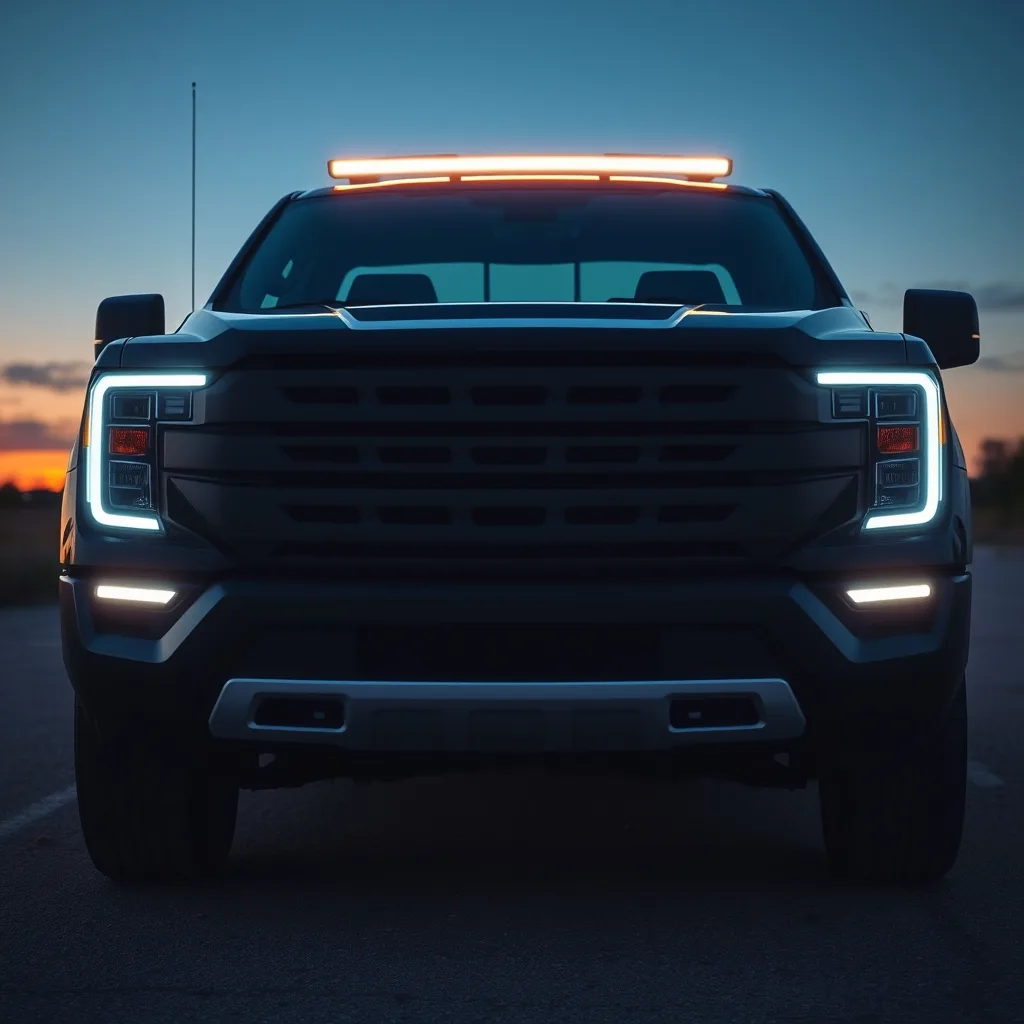
The Sierra EV headlights sit low in the front bumper because GMC moved them down to cut glare for oncoming drivers and sharpen wet-weather visibility. GMC design manager Phil Kucera says placing the lamps lower keeps beams out of other drivers’ eyes while reducing reflections off rain and snow. The bold strips up top are decoration-only daytime running lights, not the beams.
Why Sierra EV Headlights Sit Low in the Bumper
Almost everything about the 2024 GMC Sierra EV Denali Edition 1 differs from the gasoline Sierra, but the headlight placement stands out first. On GM’s full-size gasoline trucks, the lamps ride as high on the front fascia as possible. On the electric truck, the Sierra EV headlights live far lower, set into the bumper beneath the grille.
GMC did this on purpose. Kucera told reporters the lower spot is simply kinder to everyone else on the road. His rule of thumb: the lower the lamp, the less obtrusive it is in other people’s eyes. Tall trucks with high lamps routinely dazzle car drivers, so dropping the Sierra EV headlights down directly attacks that complaint.
Drivers of the truck gain too. Lower lamps sit closer to the road surface they must illuminate, so less light bounces back off fog, rain, and snow into the driver’s own eyes. Kucera explained that lamps mounted above a certain height reflect precipitation straight back at you, while the low units throw their beams underneath the worst of it.
| Lighting point | Gas Sierra | Sierra EV |
|---|---|---|
| Headlamp height | High on fascia | Low in bumper |
| Glare for car drivers | Frequent complaint | Reduced by design |
| Wet-weather reflection | More bounce-back | Less bounce-back |
| Upper light strips | Often functional | DRL decoration only |
Sierra EV Headlights vs DRLs: Know the Difference
Shoppers should not confuse the two light systems on the nose. The tall, bright signatures crowning the fascia are daytime running lights. They exist for styling and daytime conspicuity, not for seeing at night. The working Sierra EV headlights are the smaller units low in the bumper, and those decide real night performance.
That split explains why the truck still looks bold despite the move. Designers kept the upright, muscular stance buyers expect, then hid the functional optics below. As Kucera put it, the layout worked with the style rather than against it, so nothing about the truck’s presence was sacrificed to gain the visibility benefit.
Aiming remains half the battle. Even perfectly placed Sierra EV headlights can glare if aimed high, overloaded, or lifted. Check the cutoff against a wall at delivery, re-aim after suspension work, and keep lenses clean through winter. Full background on the truck’s output and range is in our 754-hp Sierra EV reveal, and factory detail lives on the official GMC Sierra EV page.
Night-Driving Checklist for Pickup Buyers
Use this list on any test drive after dark, electric or not. First, face the truck from a sedan-height car and note whether the beams hit your mirrors. Second, drive unlit roads in rain if possible and watch for back-reflection off wet pavement. Third, look up independent beam ratings rather than trusting brightness alone.
Fourth, confirm the dealer aims the lamps before delivery and shows you the adjusters. Fifth, budget for clean lenses: pitted or salt-caked optics scatter light no matter how good the design is. Trucks that pass all five steps are genuinely night-friendly, and the low-lamp layout gives this GMC a head start.
How Lower Lamps Behave in Fog and Snow
Fog and falling snow punish high-mounted optics first. A beam that starts high strikes more droplets before reaching the pavement, and each droplet returns a little light toward the driver. The result is the familiar white wall that forces you to slow down even with premium bulbs installed.
Starting the beam near bumper height shortens its path through the airborne layer. More photons reach asphalt, fewer return as veil, and the lane markings stay readable longer. That geometry edge compounds with modern beam shaping, which carves a sharp cutoff so the brightest zone stays below mirror level for oncoming traffic.
Winter adds a second test: spray and slush. Low units sit in the splash zone, so they demand frequent cleaning and intact lens coatings. A quick wipe at every fuel or charging stop preserves the advantage, while neglected lenses scatter light in all directions and recreate the very glare the layout was drawn to kill. Pair clean optics with correct aim and the design delivers exactly what its engineers promised.
Verdict: the lamp relocation is a genuine functional upgrade, not a styling gimmick. It costs the owner nothing, helps every oncoming driver on unlit roads, and preserves the truck’s bold face through clever DRL placement. If night comfort ranks high on your shopping list, put this layout near the top of your comparison sheet and verify beam aim before you sign. Test it yourself after sunset before deciding, because showroom lighting hides every beam flaw that darkness reveals. Bring a friend in a low sedan for the full glare check.
Why are the Sierra EV headlights mounted so low?
GMC mounted the Sierra EV headlights low in the bumper to keep beams out of oncoming drivers’ eyes and to cut reflections off rain, fog, and snow. Design manager Phil Kucera says the lower position is less obtrusive for others while giving the driver a cleaner view of the road surface.
Do the low Sierra EV headlights really reduce glare?
Yes, placement helps, but aiming matters just as much. Lower lamps start below most mirrors and windshields, so stray light drops. Owners should still check beam aim at delivery and after any suspension change, because a lifted or heavily loaded truck can undo the advantage.
Are the bold upper light strips the actual headlights?
No. The tall strips high on the fascia are daytime running lights and styling elements, not the beams that light the road at night. The real Sierra EV headlights live in the lower bumper, so judge night performance by those units, not by how bright the decoration looks.
Punta Dewa is a senior automotive writer at Daily Car Care specializing in OEM repair procedures and cost-transparent maintenance. 6+ years, 150+ guides. Method: OEM manuals, TSB/recall database, and owner data. Author of 1,573 car-care guides since 2022.