
Table of Contents
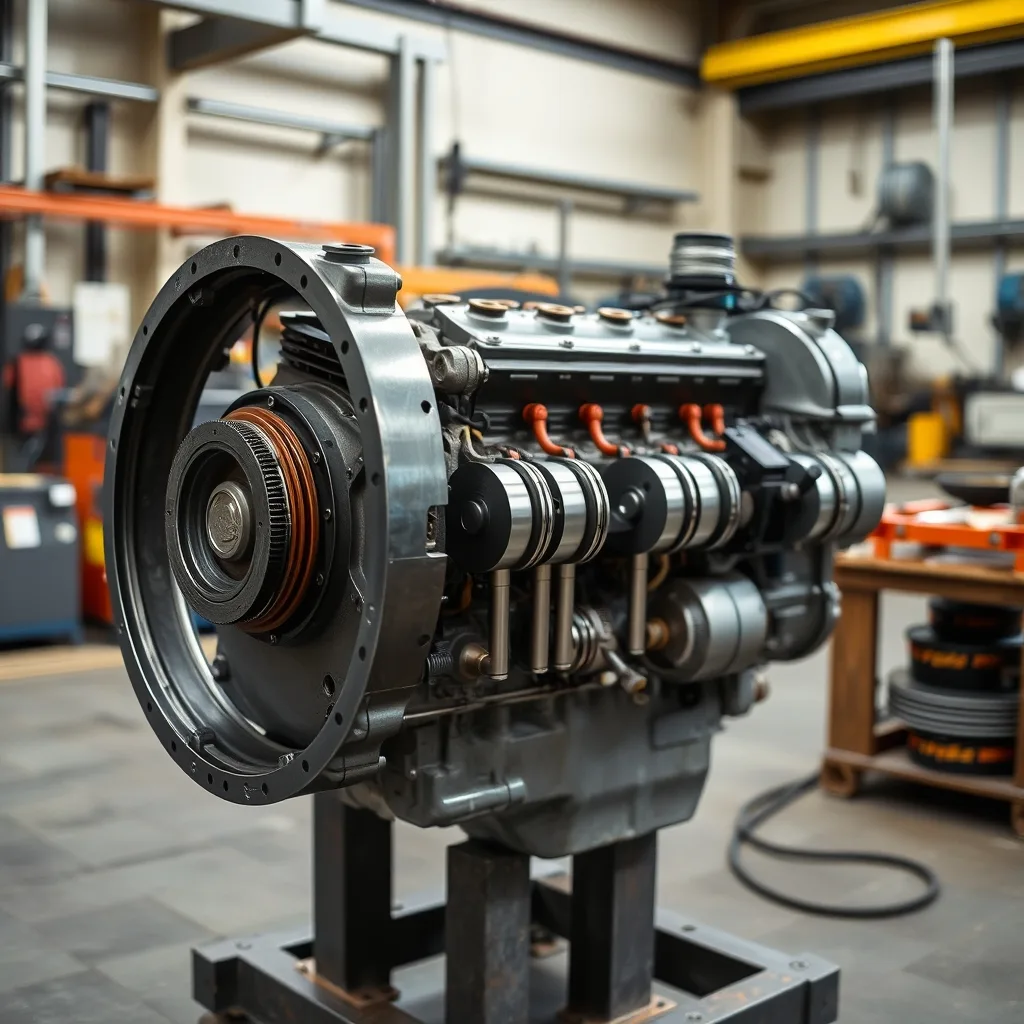
Diesel engine components work together to turn fuel into torque with high compression and precise injection. Understanding the main parts helps you recognize symptoms and ask better questions at the shop. This guide explains the key components and their common failure points.
Engine Block and Cylinder Head
The block holds the cylinders, crankshaft, and coolant passages. The cylinder head seals the combustion chamber and carries the valves, injectors, and camshaft on many designs.
Diesel blocks are built for high compression, so cracks and head gasket failures are serious. Overheating is a common cause of warped heads and compression loss.
The block also carries the oil galleries and coolant passages. Sludge or scale can restrict flow and cause hot spots.
Pistons, Rings and Rods
Pistons transfer combustion pressure to the crankshaft through the connecting rods. Rings seal the cylinder and control oil.
Worn rings cause blow-by, oil consumption, and hard starting. A compression test and a leak-down test can show whether the short block needs work.
Ring wear shows up as blow-by and oil consumption. A compression test on a warm engine gives a useful baseline.
Fuel quality matters as much as fuel pressure. Water or debris can destroy a high-pressure pump and an injector set in a short time. Use a reputable station and change the filter on the severe-service schedule. A diesel engine components failure often starts with contaminated fuel.
Fuel Injection System
The injection system pressurizes diesel and delivers it at the right moment. Common-rail systems use a high-pressure pump, a rail, and electronically controlled injectors.
Contaminated fuel or a failing pump can damage injectors. Those are among the most expensive diesel engine components to replace, so fuel filtration matters.
The fuel system includes a lift pump, a high-pressure pump, and a filter. Each part must deliver clean fuel at the right pressure.
Turbocharger and Intercooler
The turbo uses exhaust energy to force more air into the engine. The intercooler cools the compressed air so it is denser.
Oil starvation and debris can destroy the turbo bearings. A failed turbo may produce smoke, power loss, or a siren-like noise.
Variable-geometry turbos use vanes to control boost. Soot can stick the vanes and cause overboost or underboost.
Coolant condition protects the block, the head, and the oil cooler. The wrong coolant or a neglected interval can cause scale and cavitation. Pressure-test the system if you see a sweet smell or a low level. On diesel engine components, cooling problems can look like head-gasket failure.
Glow Plugs and Starting
Glow plugs warm the combustion chamber for cold starts. A failed plug can cause a rough start, white smoke, and a misfire when the engine is cold.
Test the glow plug circuit before replacing parts. A control module fault can mimic a bad plug and set a code.
A glow plug that stays on can drain the battery or damage the tip. Test the circuit, not just the plug.
Cooling and Lubrication
The water pump, radiator, thermostat, and oil pump keep the diesel within its operating range. Diesel engines produce high heat and rely on clean oil.
Use the specified oil and change it on time. Coolant leaks and a stuck thermostat can lead to overheating and head damage.
Oil quality matters more on a diesel because the oil also cools the turbo. Use the specified grade and change it on time.
A compression test and an oil analysis are useful before a major purchase. They show ring condition and whether coolant or fuel is entering the oil. Record the results with the service history. That record makes diesel engine components maintenance easier to plan.
Emissions Components
Modern diesels use a diesel particulate filter, EGR, and selective catalytic reduction. These diesel engine components reduce soot and nitrogen oxides.
Short trips and the wrong oil can clog the DPF. A diesel DPF guide explains regeneration and prevention.
EGR coolers and DPFs can clog with soot. Short trips and the wrong oil make the problem worse.
Common Failure Points
Head gaskets, injectors, turbos, and emissions systems are common trouble spots. Symptoms often overlap, so diagnosis should start with codes, live data, and a physical inspection.
A qualified mechanic can separate a fuel fault from an air or compression problem. The EPA diesel program explains the emissions rules.
A failed injector can wash a cylinder and cause scoring. Diagnose a misfire before it damages the block.
The block, head, and fasteners are the foundation of the assembly. A warped head or a stretched bolt can cause a gasket failure that returns after a repair. Use the specified torque sequence and check the surface flatness. On diesel engine components, short cuts at assembly are expensive later.
Maintenance Basics
Follow the oil, fuel filter, and coolant intervals. Use low-ash oil on engines with a DPF, and fix leaks before they cause a major failure.
Keep service records so a future owner or technician can see how the diesel engine components have been maintained.
Keep a maintenance log. It helps a technician see whether a failure is related to service or a sudden event.
Keep a maintenance log with fuel filter dates, oil analysis results, and any injector work. A future owner or a technician can use that history to judge the engine. Good records also help when a diesel engine components warranty claim is questioned. Store the receipts with the log, and add the mileage and part numbers so a future reader can trace the work, because a written baseline is better than a memory.
Bottom Line on Diesel Engine Components
Diesel engine components are durable, but they are sensitive to dirty fuel, wrong oil, and heat. Understanding the main parts helps you catch problems before they become major repairs.
Follow the service intervals and fix leaks early. A well-maintained diesel can deliver strong torque and long life, even in demanding use.
Quick Checklist
- Use the specified low-ash oil when required.
- Change the fuel filter on time.
- Watch for smoke, power loss, and overheating.
- Keep coolant and oil records.
What are the most important diesel engine components?
The block, cylinder head, pistons, fuel injection system, turbo, and emissions components are the core. Each depends on the others to make power reliably.
Why do diesel injectors fail?
Contaminated fuel, water, and wear are common causes. A failed injector can cause misfires, smoke, and low power.
How long do diesel engine components last?
With correct maintenance, the block and rotating parts can last hundreds of thousands of miles. Injectors, turbos, and emissions parts often need service sooner.

Punta Dewa is a senior automotive writer at Daily Car Care specializing in OEM repair procedures and cost-transparent maintenance. 6+ years, 150+ guides. Method: OEM manuals, TSB/recall database, and owner data. Author of 1,573 car-care guides since 2022.