
Table of Contents
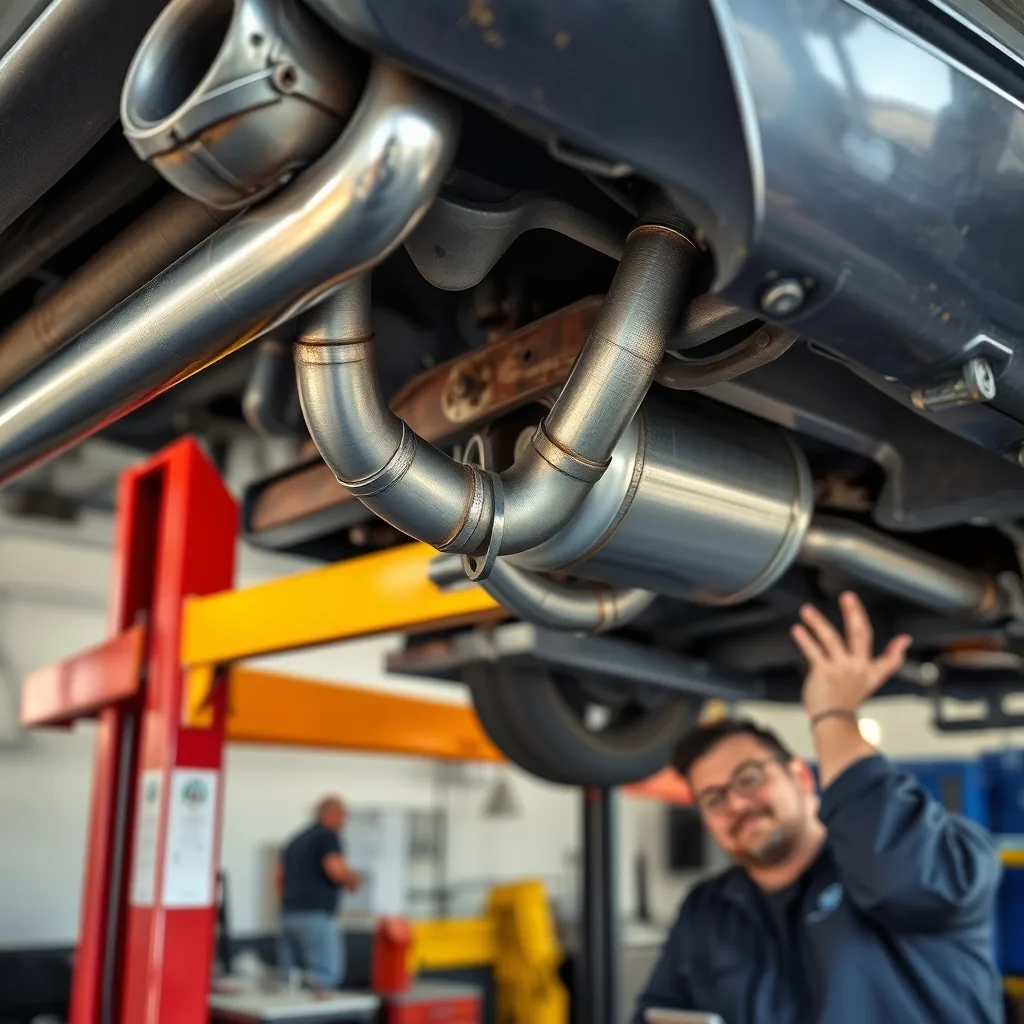
An exhaust and muffler system carries burned gases away from the engine and keeps the cabin quiet. It also supports emissions controls and affects how the engine breathes. This guide explains how long the parts last, the signs of failure, and when to repair or replace the exhaust and muffler.
What the Exhaust Does
The exhaust system routes gases from the engine through the catalytic converter and muffler to the tailpipe. It reduces noise, directs fumes away from the cabin, and supports emissions.
The exhaust and muffler also affect backpressure and scavenging. A leak before the oxygen sensor can confuse the fuel mixture and trigger a check-engine light.
Hangers and flex pipes allow the system to move with the engine. When they fail, the exhaust and muffler can sag, rattle, or crack.
How Long Parts Last
A factory stainless system can last 10 years or more in a mild climate. Steel pipes and mufflers in a salt-belt state may fail in half that time.
Short trips are hard on the exhaust and muffler because moisture stays inside the system. Condensation combines with heat and salt to speed corrosion.
The converter and the sensors often outlast the pipes, but they can fail from contamination or physical damage. Inspect the whole system, not just the muffler.
Sign 1: Noise
A sudden increase in noise is the most obvious exhaust and muffler symptom. A hole in the muffler, a cracked pipe, or a broken flange can make the car sound much louder.
A deep rumble at idle may point to a failed muffler baffle, while a sharp tick near the engine can be a manifold leak. Fix a leak before it melts nearby wiring or trim.
Do not ignore a loud exhaust just because the car still runs. Carbon monoxide can enter the cabin through a floor or hatch seal.
A leak at the manifold can sound like a tick that gets faster with RPM. Tighten the bolts to spec and replace a failed gasket rather than adding sealer. An exhaust leak near the cabin is a health risk, not just a noise.
Sign 2: Rattles and Hangers
A broken hanger lets the exhaust and muffler drop and hit the body or the axle. The rattle may appear only over bumps or when the engine moves.
Inspect the rubber isolators and the metal brackets. A cheap hanger is easier to replace than a cracked pipe caused by excess movement.
A heat shield that has rusted loose can also buzz. Secure it or replace it before it falls onto the driveshaft.
A stainless clamp can fix a small leak at a joint, but it is not a permanent repair for a rusted pipe. Use it to get to a shop, then replace the section.
Sign 3: Rust and Leaks
Look for flaking rust, pinholes, and dark soot at the joints. A leak often shows as a puff of smoke or a ticking sound when the engine is cold.
Surface rust is normal on many systems, but deep scaling means the pipe is thin. A rusted exhaust and muffler can fail without warning.
A pressure test or a visual inspection on a lift can find leaks that are hard to see from the ground.
Sign 4: Power and Fuel Economy
A collapsed muffler or a clogged converter can restrict flow and reduce power. The engine may feel flat at higher RPM or hesitate under load.
A failed converter can also trigger a check-engine light and hurt fuel economy. A catalytic converter guide explains the signs and options.
Do not replace the exhaust and muffler to chase a power gain unless the old system is actually restricted. A less restrictive system can be louder without adding much.
A clogged converter may glow red after a night drive. That is a sign of unburned fuel, not just a bad converter. Diagnose the misfire or the rich condition before replacing the converter.
A rubber mallet can help you find a loose baffle in the muffler. Tap the case gently and listen for a rattle. Do not hit the pipes or the converter.
Repair vs Replace
A small hole in a pipe can sometimes be repaired with a clamp or a welded patch. A rusted muffler or a cracked flange usually calls for replacement.
Use quality clamps and gaskets, and align the system before tightening everything. A misaligned exhaust and muffler can rattle and leak at the joints.
On an older car, a complete cat-back system may cost less than repeated repairs. Compare the total cost, not just the first patch.
Stainless and Aftermarket
Stainless steel resists rust and is a good choice for a car you plan to keep. Aluminized steel is cheaper but has a shorter life in wet climates.
An aftermarket exhaust and muffler can change the sound and the price. Check local noise rules before choosing a loud system.
Keep the original parts if you may need to pass a strict inspection. Some states require the factory converter and a quiet exhaust.
Prevention
Wash the underside after winter driving to remove salt. Fix a small leak early and replace broken hangers before the pipes crack.
Avoid short trips that never warm the exhaust fully. A service schedule helps you inspect the system at the same time as the oil change.
The EPA emissions testing page explains why a healthy exhaust and muffler matter for the environment and for inspection.
Support the system with a jack stand before you remove a pipe. The weight can bend a flex joint or pull a hanger out of the body. Use new gaskets and anti-seize on the bolts.
Check the exhaust hangers after any off-road drive or a hard curb strike. A stretched rubber isolator can let the system sag. Replace it before the pipe cracks.
Bottom Line on Exhaust and Muffler Service
The exhaust and muffler system is easy to ignore until it gets loud or fails an inspection. Watch for rust, rattles, and power loss, and fix small leaks before they spread.
Choose repair or replacement based on the condition of the whole system. A quality stainless system and good hangers can last for many years.
Quick Checklist
- Inspect hangers and heat shields.
- Look for rust and soot at joints.
- Fix leaks before they reach the cabin.
- Check emissions rules before modifying.
How long does an exhaust and muffler last?
A stainless system can last 10 years or more, while steel parts in a salt climate may fail in 5 to 7 years. Short trips and road salt shorten the life.
Can I drive with a hole in the muffler?
Only to a repair shop. A leak can let fumes into the cabin, melt nearby parts, and fail an inspection. Fix it promptly.
Does a new muffler add horsepower?
Rarely by a noticeable amount. A less restrictive system may change sound and throttle response, but the engine tune and airflow matter more.

Punta Dewa is a senior automotive writer at Daily Car Care specializing in OEM repair procedures and cost-transparent maintenance. 6+ years, 150+ guides. Method: OEM manuals, TSB/recall database, and owner data. Author of 1,573 car-care guides since 2022.